
The first time Lucy heard Emma talking to someone, she thought it was a game. Voices carried oddly in the old house. But when she stepped into the doorway, Emma fell abruptly silent. The little girl stared at the empty corner by her bed as if surprised to find it vacant.
“Who were you talking to?” Lucy asked lightly. Emma’s fingers tightened around her stuffed rabbit. “Oh…no one,” she said, the word stretched too carefully. Lucy recognized the telltale signs at once—the fixed smile, the glance that slid away, the breath held too long. Her daughter was lying.
Later, as she stacked boxes in the hallway, the echo of that “no one” lingered. Lucy told herself it didn’t matter—children invented friends, invented conversations, especially after moves. Still, the image of Emma’s eyes flicking toward the bare wall stayed with her, like a smudge she couldn’t quite wipe away.
Life in the new town still felt foreign. Lucy had left the city’s noise behind a few months earlier, after her company’s relocation and her own quiet exhaustion. The countryside had promised peace, a slower pulse. Instead, silence arrived heavy and unpredictable, broken only by wind and Emma’s peculiar conversations.

When she wasn’t working, Lucy filled the hours unpacking, labelling boxes, and trying to impose some order. The house resisted. Old shelving tilted, doors swelled in damp, and shadows lingered where light should have pooled. She missed the city’s hum, where odd sounds always had living sources.
The house itself did not help. It had been standing nearly a century, all brick and timber, a retired farmhouse at the edge of the village. Lucy had never lived in anything older than a city flat. On the first night, every groan of wood sounded like a footstep.

Wind pressed against the windows with a low, insistent moan. Pipes clanged alive in the walls as the boiler kicked on. Floorboards sighed beneath their own weight, wood shifting as temperatures dropped. Lying awake beside Emma’s soft breathing, Lucy catalogued each unfamiliar sound, heart hammering like she was on watch.
By the third night, she could identify them: the drip in the kitchen, the radiator’s tick, the stair that always creaked. Naming them dulled their teeth. This, she told herself, was all it was—old bones settling. Once she mapped the noises, the house would stop feeling like a stranger.

Gradually, it did. A week passed without panic. The wind became background sound, and the boiler a reassuring heartbeat. Lucy still woke sometimes, but now she turned over and went back to sleep, telling herself she was learning the language of the house, with each creak being a syllable she could translate.
It was only then that she noticed the new sound. One night, after Emma had fallen asleep, Lucy was almost dozing off when she heard it. Beneath the familiar hum came a different noise—three faint taps from the wall beside the bed. A pause. Then two more, evenly spaced, too measured to dismiss. She immediately got up to check.

She stood very still, holding her breath. The tapping did not repeat. Emma slept on, curled around her rabbit, oblivious. Lucy told herself it might be a pipe cooling, a branch brushing brick, anything ordinary. Yet something in the rhythm felt unlike the shapeless creaks she’d grown used to.
Over the next few nights, it returned. Always from the same patch of wall, always in small clusters—never scratching, never scuttling, but a firm, muffled knocking, as if from inside the plaster. It was not Emma’s stories that troubled Lucy now, nor her “no one.” It was this deliberate, unaccountable sound.
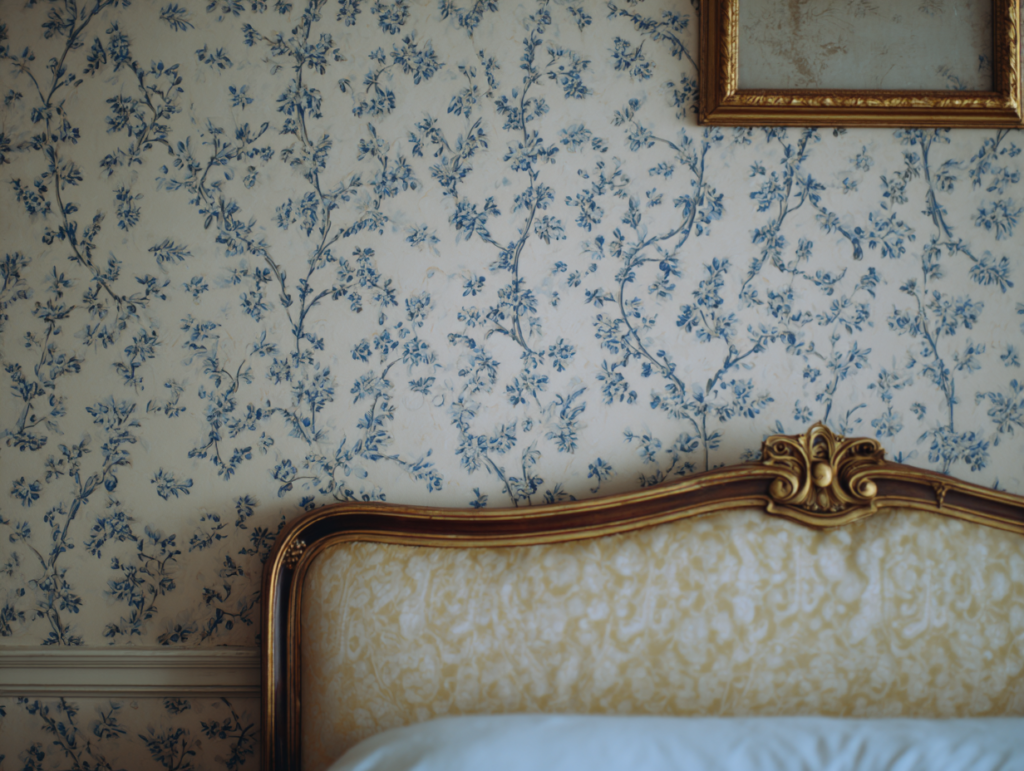
The tapping became part of her nights. Some evenings it barely sounded at all, just a muted thud behind paint. Other times, it seemed to answer the settling of the house, arriving after a creak, echoing a distant click. Lucy began noting the times on her phone, almost without meaning to.
By the end of the week, her list formed a thin column: 10:13 PM, 01:47 AM, 11:02 PM. There was no pattern she could see, but something stubborn in her wanted one. Patterns meant reasons. Reasons meant repairmen, checklists, and invoices—things she knew how to handle as a single mother in a strange place.

Later that week, Lucy visited the neighbor, Mrs. Wenham, whose house leaned just beyond the stone fence. Over tea, Lucy mentioned the noises, expecting sympathy, suggestions, or reasons. The older woman went still, eyes softening. “Oh, that house has many stories. Who can tell after so long?” she said finally. “It must be a draft.”
That night, rain hissed against the windows. The tapping returned—softer, almost tentative. Lucy sat upright, pulse quickening. She turned off the bedside lamp to listen. The pattern seemed deliberate: three soft knocks, a pause, then one final tap. Emma, lost in her dream, giggled in her sleep.

The next morning, lines of fatigue traced Lucy’s face. She brewed coffee early and stared at the wall separating Emma’s room from the guest room beside it. According to the plan of the house, the rooms should have been equal in size, but they couldn’t be if this tapping was real.
Days passed, punctuated by small domestic failures like light bulbs flickering, pipes groaning, the oven door refusing to shut. Familiar irritations kept her grounded. Sometimes the wall remained silent, and Lucy almost forgot. Then the faint, irregular knocks would answer from behind the plaster.

A colleague suggested she redecorate the bedroom. “Fresh paint’ll fix the mood,” he said. But as Lucy rolled the first coat on a weekend, she found the wall absorbed color strangely, darkening unevenly, as if concealing something porous beneath. When she pressed the brush too hard, a fine crack trembled through the surface.
That evening, after putting Emma to bed, she pressed her ear to the wall. Beneath the faint music of pipes, she caught a rhythm—three soft thumps, then two short taps. She held her breath. When she rapped back, silence followed, thick as dust before settling again.

That night, Lucy dreamed of narrow, breathless, and windowless corridors. Footsteps scuffed behind her, always one pace away. She woke to find Emma at her bedside holding a cracked piece of dried paint. “The wall was crying,” the child whispered. Outside, dawn spread pale light across the rain-soaked roof.
Lucy hardly slept. Morning light fractured across the nursery curtains as she studied her notebook’s columns. The pattern seemed deliberate—almost conversational, yet inconsistent enough to taunt logic. Lucy told herself it could be a bird nesting in the eaves or rodents. Explanations dwindled each time she examined them.
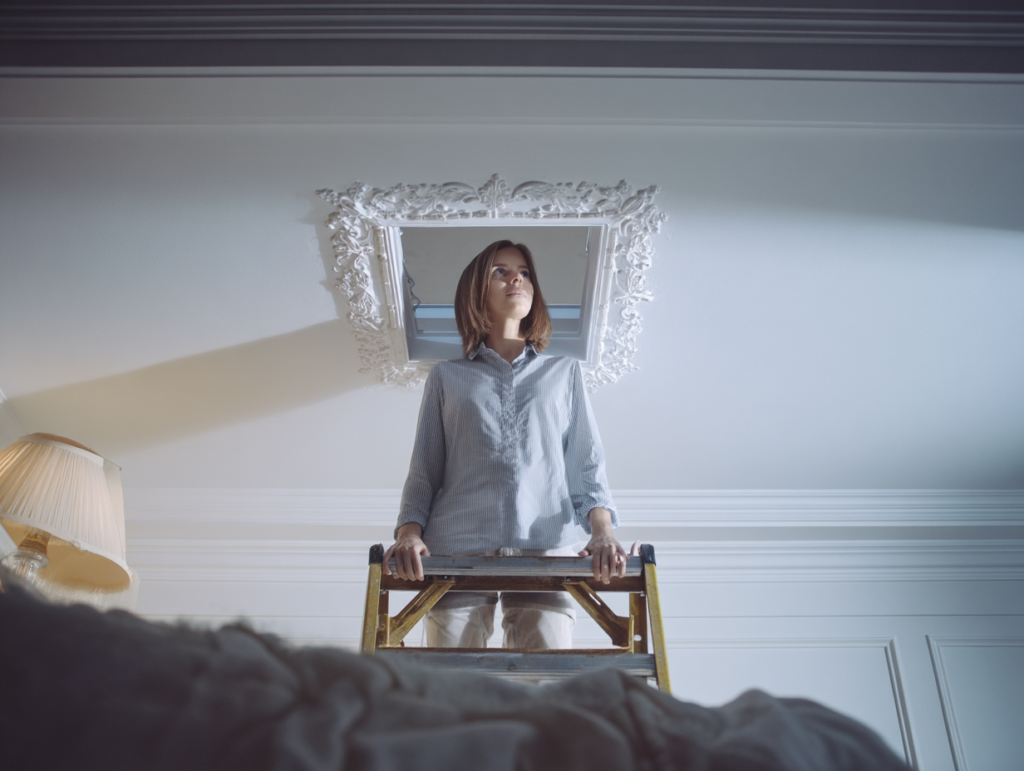
In the morning, she dragged the stepladder from the storage room to inspect the air vent above Emma’s bed. Its grille came away easily, releasing the scent of stale dust. Nothing else. Behind it lay only blocks of brickwork where an older duct must have been sealed long ago.
That afternoon, she called a local handyman whose number she’d found on a card in the post office window. He arrived with a canvas bag of tools and an easy smile, boots leaving faint prints on the hallway tiles. “Old houses just like to creak and complain a lot,” he said, tapping the wall appreciatively.
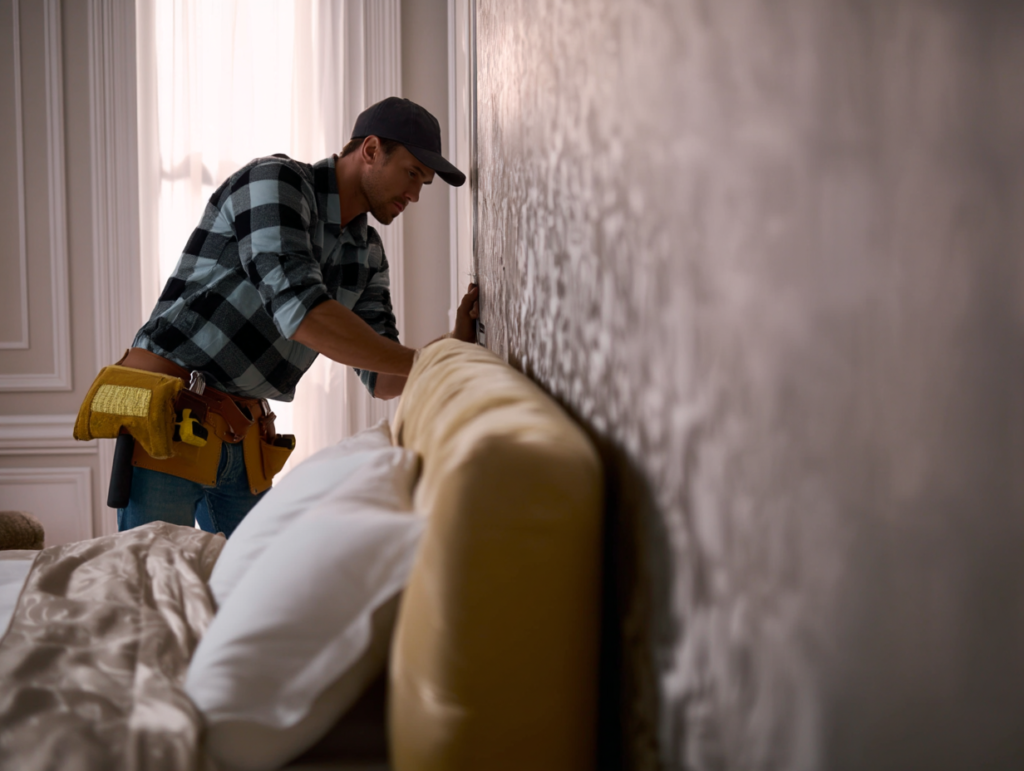
Lucy explained the tapping as calmly as she could, careful not to sound frantic. He listened with his ear pressed to the plaster, then knocked along the skirting board. “Could be rodents,” he said. “Or birds in the eaves. They find gaps in these places, use the wall cavities like corridors.”
He pried off a small section of trim near the floor and scraped out a little dust and debris. “See?” he said, holding up what might have been old droppings. “Probably rats. I’d set a few traps, maybe get pest control if it keeps up.” The word rats oddly comforted her.
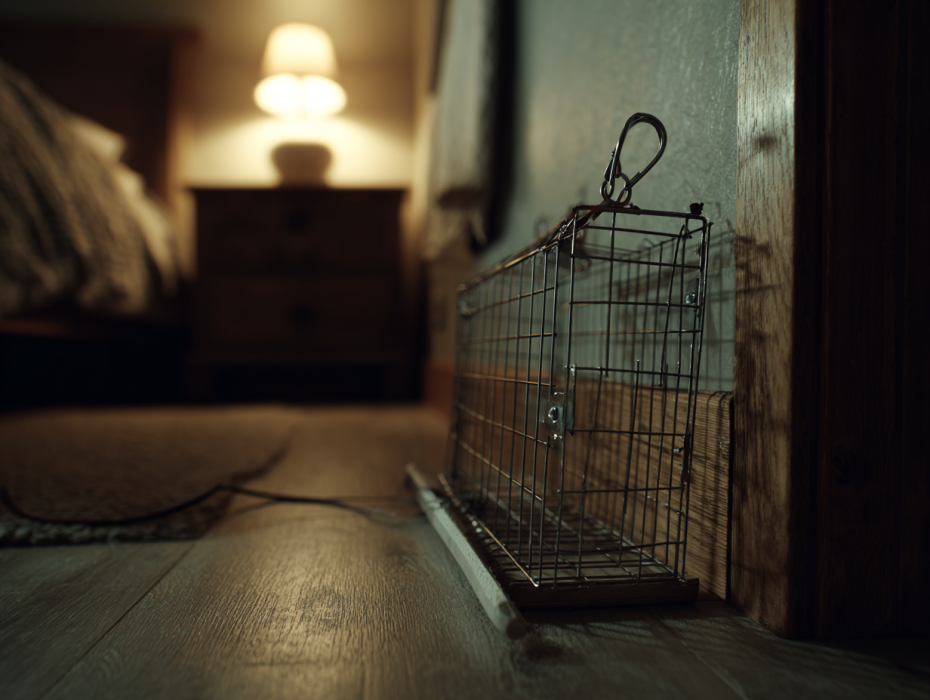
That evening, after Emma was asleep, Lucy set two traps along the base of the wall, hands steady. There was a kind of relief in it—a clear problem, a practical solution. The house shrank back to something manageable: timber, pipes, pests. Nothing that couldn’t be contained with time and effort.
For three nights, the tapping stopped. The traps stayed unsprung, with the disinfectant smell lingering where she’d wiped the skirting. Lucy told herself the handyman had been right; the disturbance had moved on. She slept deeper, waking with the strange sensation that the house had exhaled, its complaints spent.
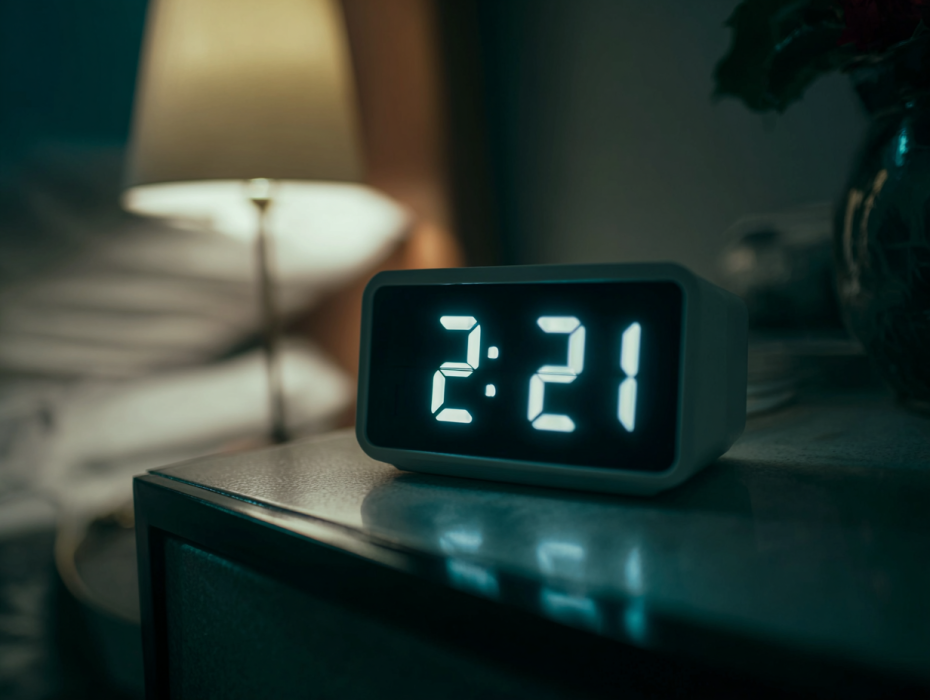
On the fourth night, she woke in the dark without knowing why. The digital clock showed 2:21. The house lay around her in layered quiet: wind, distant boiler hum, Emma’s faint breathing. Just as she began to relax, three soft knocks came from the wall—precise, evenly spaced, and directly behind her daughter’s bed.
It didn’t sound like scurrying now. No scrape, no shuffle, just contained force meeting resistance. Lucy sat up, heart racing, listening for a second round. None came. In the morning, the traps were still empty, their metal bars clean and waiting, as though whatever moved inside the wall understood their purpose and stepped neatly around them.

One evening, Lucy paused in the hallway, hearing Emma’s soft voice drift from her bedroom. “Shh, we have to be quiet,” the girl murmured. “They’ll hear if we laugh too loud.” Lucy froze, pulse quickening—the words sounded too pointed, too aware of the wall’s silence.
She crept closer and peeked through the half-open door. Emma sat cross-legged on the rug, facing her doll, a faded rag figure with button eyes. “Did you hear that tap?” Emma whispered, tilting her head toward the doll. “It’s them again, saying goodnight.” Lucy’s breath caught sharply.
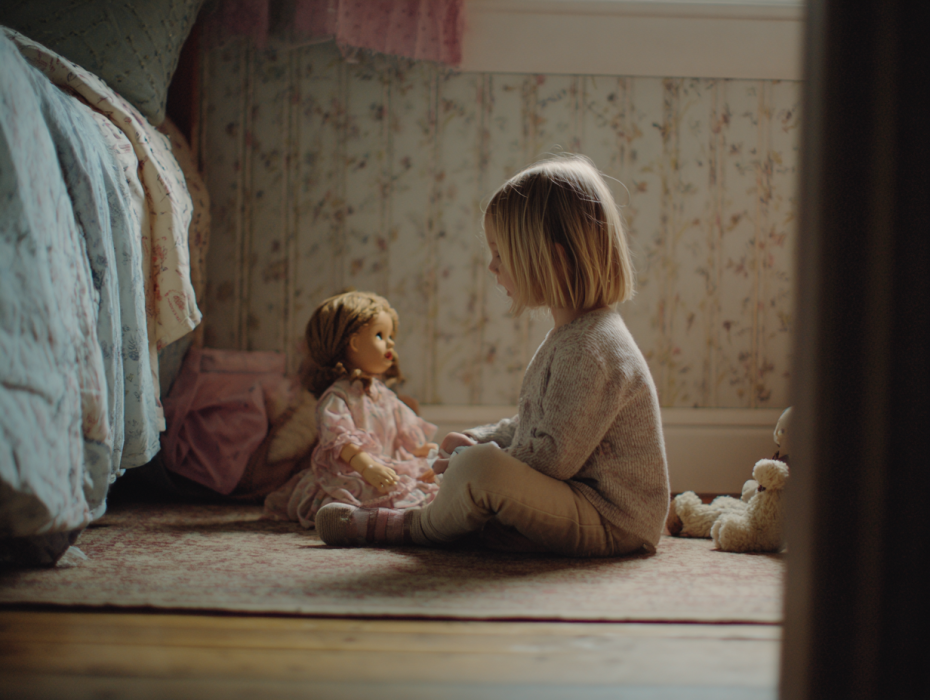
The doll lay limp in Emma’s lap, of course—no movement, no reply. Yet the child’s earnest tone, the way her eyes flicked sideways toward the painted wall, sent ice through Lucy’s veins. Was this imagination, or had the tapping taught her daughter to listen for voices where none existed?
“Mummy?” Emma looked up suddenly, doll clutched tight. “Is it bedtime?” Lucy forced a smile, stepping inside. “Almost, love.” But as she knelt to tuck the toy away, her gaze lingered on the wall, half expecting the plaster to ripple with whatever hidden rhythm Emma seemed to know.

That night, Lucy lay awake, replaying the scene. The doll had faced forward, not the wall—perfectly innocent play. Still, Emma’s whispers echoed in her mind, blurring the line between child’s fancy and the house’s buried secrets. Fear twisted ordinary moments into something she couldn’t unsee.
By then, the noise lived in her thoughts even when the house was silent. At work, she lost her place in emails, hearing phantom knocks between lines of text. On the walk to Emma’s school, she caught herself glancing back at the blank bricks as if the sound might follow them outside.

By the end of the month, the fatigue began to show. Lucy caught her reflection in a shop window one afternoon—drawn face, shoulders hunched as if she were bracing against a wind that never quite arrived. When the school secretary asked gently if everything was all right, she lied and said she just needed more coffee.
That evening, after she tucked Emma in, she opened her laptop at the kitchen table and booked an online appointment with a therapist she’d found through a local recommendation group. It felt like a practical step, the kind a responsible adult took when sleep slipped away and days blurred at the edges.

In their first session, Lucy described the move, the old house, and the noises that came and went. She mentioned being on her own with Emma, the constant awareness of being the only adult in the building. The therapist listened, then spoke about adjustment, hypervigilance, the way tired minds stitched patterns into harmless sounds.
“It makes sense that you’d be on high alert,” the woman said gently. “You’re carrying everything alone right now. When we feel unsafe, our brains try to predict danger, even where there isn’t any. It doesn’t mean the sounds aren’t real—it just means your reaction to them is magnified.”

Lucy nodded, surprised by the relief that rose in her chest. Framed that way, the nights seemed less like an impending collapse and more like a puzzle of stress and circumstance. They agreed on small steps: better sleep routines, limiting late‑night listening, grounding herself when the house shifted and sighed.
For a few evenings, she followed the plan. She left a lamp on low in the hallway, read until her eyes grew heavy, and refused to sit in silence waiting. When the house creaked, she named it and moved on. The wall remained mute, and she almost believed the worst of it was passing.

Then, one cold night, the first tap came just as she began to relax. A single, firm knock from the same place as always, low on the wall behind Emma’s bed. A pause followed, long enough for her to wonder if she’d imagined it. Then two more, closer together, like an answer to a question she couldn’t hear.
Lucy swung her legs out of bed and stood in the dark, bare feet on cold floorboards. Every part of her wanted to dismiss it, to crawl back under the covers and let the rational explanations win. Instead, she walked down the hallway toward the sound, each step measured, the familiar house suddenly unfamiliar again.

Lucy pressed her palm against the painted surface, feeling only the cool, faintly uneven texture of old plaster. The wall did not vibrate, did not offer the satisfying tremor of pipes or machinery. It simply stood there, dense and unhelpful, holding its silence as if that were an answer in itself.
The next morning, she brought out the tape to measure. Emma watched from the bed as her mother stretched the metal strip from corner to corner, muttering numbers under her breath. Lucy measured the bedroom, then the narrow hallway behind it, then the small guest room on the other side, writing figures onto the back of an envelope.

When she laid the rough sketch over the photocopied floor plan the estate agent had given her, the discrepancy was small but undeniable. The guest room was shallower than it should have been by several hand spans. Enough to notice once you were looking for it. Enough to hide something between two ordinary rooms.
That afternoon, she took out the original plans rolled in a brittle tube at the back of a cupboard, paper yellowed and delicate. The layout was slightly different then: a storeroom where the guest room now stood, a narrower landing, no fitted wardrobes. Between Emma’s room and the neighboring space, a rectangle had been neatly inked, then crossed out.
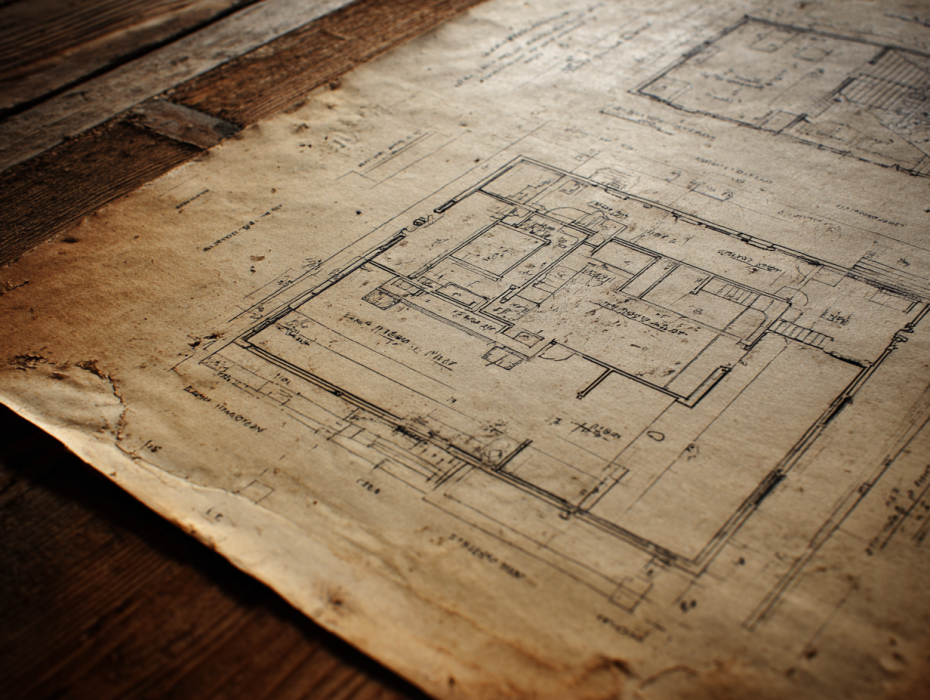
There was a handwritten note in the margin, almost illegible. The year 1946 stood out clearly. The rest blurred, faded by time and handling. Lucy traced the lines with her finger, feeling a strange disorientation. The house she walked through each day did not entirely match the house that had first been drawn and built.
That evening, she brought her findings to her next video call with the therapist. “So there might be an extra cavity,” she said, trying to keep her voice steady. “An old storeroom, maybe. I’m not imagining differences; they’re there on paper.” She felt both vindicated and faintly ridiculous, saying it out loud.

The therapist nodded, thoughtful. “It sounds like you’ve found something real,” she said. “That should make you feel safer. It means the house has a history you didn’t know about. That can feel unsettling, especially when you’re already carrying a lot on your own. Maybe the next step is a structural survey, so you’re not carrying the mystery by yourself.” The words steadied Lucy, even as unease persisted underneath.
The following week, she booked an inspection with a local contractor who specialized in older properties. On the morning he arrived, Emma left for school clutching her backpack, unaware of the quiet tremor in the house behind her. Lucy watched her go, then turned back to the wall, aware that by evening, it might no longer be just an idea.

The contractor, a broad‑shouldered man named Harris, walked slowly along Emma’s wall, knuckles rapping lightly as he went. “There’s definitely a void here,” he said at last. “Could be an old chimney breast, or a boxed‑in cupboard. Nothing dangerous, from the sound of it. These old places are full of surprises.”
He ran a handheld sensor along the plaster, watching the small display. “There’s a gap, about a metre deep,” he murmured. “Maybe more. No metal readings, though. Just timber and air.” He straightened, making a note on his clipboard. “If you want it open, we can do a careful exploratory cut.”

Lucy hesitated. Part of her wanted to agree immediately, to rip the uncertainty away with the plaster. Another part baulked at the thought of Emma’s room turned into a building site, dust in the sheets, noise in the one place her daughter still slept peacefully. “Let me think for a day or two. I’ll get back to you,” she said.
That night, she stood in the dark hallway outside Emma’s door, listening. No tapping came. Only the small, steady sound of her child’s breathing and the distant murmur of the boiler. The quiet felt almost mocking now, as if the house were waiting to see whether she would be brave enough to ask the next question.

The following afternoon, over lukewarm tea in the staffroom, she mentioned the inspection to a colleague. “They say there’s a hidden space in the wall,” she said, attempting a laugh. Her colleague raised her eyebrows. “Creepy. But… also kind of cool? These old houses had all sorts of nooks. Probably just storage someone boarded up.”
On her walk home, Lucy replayed the word storage in her mind. It was a comforting word—practical, boring. People stored trunks, tools, and forgotten furniture. Not intentions, not memories. Still, the sight of the inked‑out rectangle on the original plan floated up again, stubborn as the tapping had been.

The next day, Lucy drove to the town archives with an idea. The clerk, an elderly man with watery eyes, checked the property records. “Listed as built in 1937,” he said, leafing through pages. “Renovated twice. Last major changes were postwar repairs.” When Lucy asked what kind, he only shrugged. “No details filed.”
She lingered beside the glass displays of wartime photographs—families before evacuation, soldiers boarding trains, a line of refugees walking past houses startlingly similar to hers. In one picture, she thought she recognized her street, though a smaller house stood where Mrs. Wenham’s garden now bloomed.

That evening, she called Harris back. “I’d like you to open a small section,” she said. “Just enough to see what’s there.” They agreed on a morning when Emma would be at school. After hanging up, Lucy walked into the bedroom and rested her fingertips against the wall, as if warning it.
On the chosen day, the house filled with the muted thud of tools and the whine of a small saw. Dust drifted into the hallway, fine and pale, carrying a smell like old paper and cold stone. Lucy hovered nearby, heart beating too fast, telling herself it was only curiosity, only architecture.

“Got something,” Harris called after a while. Lucy stepped into the room. A neat rectangle had been cut low in the wall, revealing darkness beyond. Air seeped through, cooler than the room, with a faint, sour tang of age. Harris shone a torch inside. “Looks like a narrow void. I can’t see the end yet.”
He enlarged the opening carefully. Light spilled over rough timber and a flat surface beyond. “There’s… a platform, maybe,” he said slowly. “And some old fabric.” Lucy leaned closer. The beam picked out the corner of what might once have been a mattress, the curve of rusted metal, and a scrap of something that looked, unnervingly, like a child’s shoe.
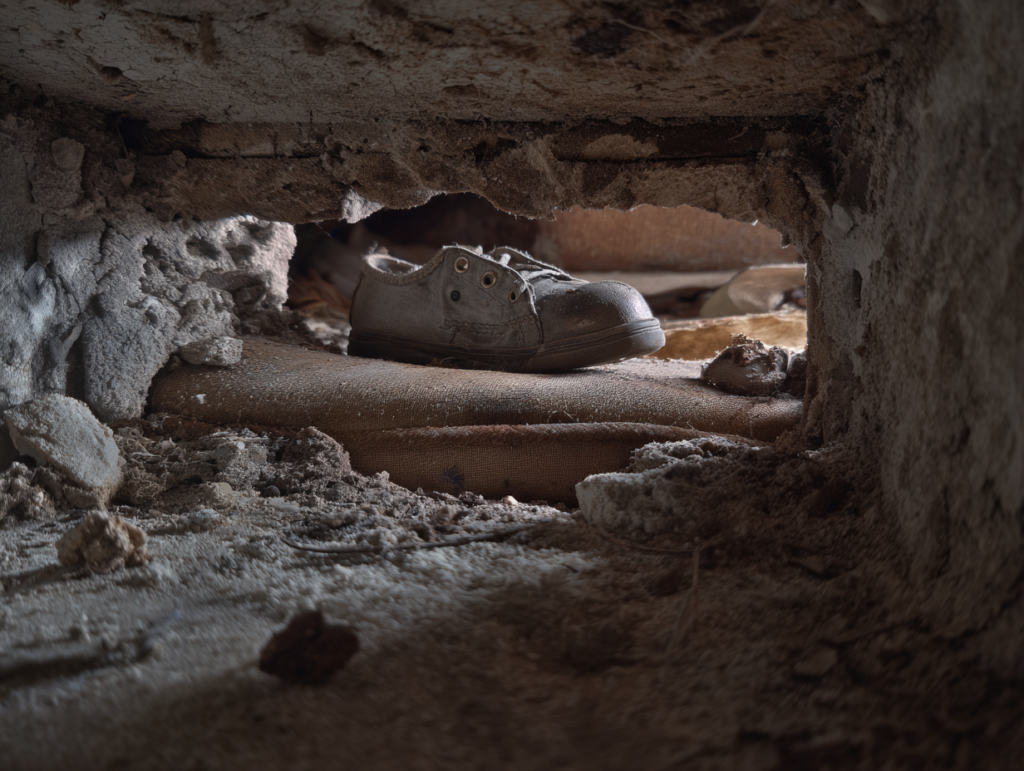
For a moment, Lucy could only stare. The shoe lay on its side, leather cracked and shrunken with time, laces stiff with dust. Beside it, the mattress remains were little more than a sagging shape, its ticking split. This was no cupboard. It had been a place someone once lay down to sleep.
Later that afternoon, after Harris had left the first small inspection hole and promised to return with more tools, Lucy couldn’t resist going back into Emma’s room. The patch of exposed darkness drew her. She knelt beside it, torch in hand, and angled the beam into the narrow void.

The light picked out dust and rough timber, then something else—a small, rounded shape near the edge of the opening. It lay half buried in grime, the size of her palm. Lucy hesitated, then pulled a pair of washing‑up gloves from her pocket and reached carefully into the gap, fingers brushing cold, gritty wood.
Her hand closed around a hard object and eased it out. In her palm lay a wooden horse, no bigger than Emma’s favourite plastic figures. Its paint had mostly flaked away, leaving only a faint suggestion of once‑bright color at the mane. One ear was chipped, the edges smoothed by long‑ago handling.

She turned it over, heart beating faster. On the underside, someone had scratched initials into the wood—two letters, barely legible. The style of carving, the wear, and the primitive paintwork all spoke of another time. This wasn’t a dropped modern toy. It belonged to whoever had used that space before the wall was sealed.
Lucy sat back on her heels, the room spinning slightly. She pictured small hands clutching the horse in the dark. She wiped the little horse gently with a clean cloth and placed it on the dresser, away from Emma’s reach for now. The object changed her understanding; the house had contained someone’s fear, someone’s waiting.

Harris, when he returned, cleared his throat softly. “Looks like some kind of old bunk,” he said. “People sometimes built hidey‑holes in wartime. Smugglers, evacuees, that sort of thing.” His tone stayed practical, but he did not sound entirely unaffected. “We’ll need to open a bit more if you want access.”
Lucy nodded, although her throat felt too tight to speak. She stepped back as he carefully widened the opening, dust clouding the air between them. When he finally cut a section large enough to duck through, the beam of his torch revealed the cramped boundaries of a hidden room, barely wider than a corridor.
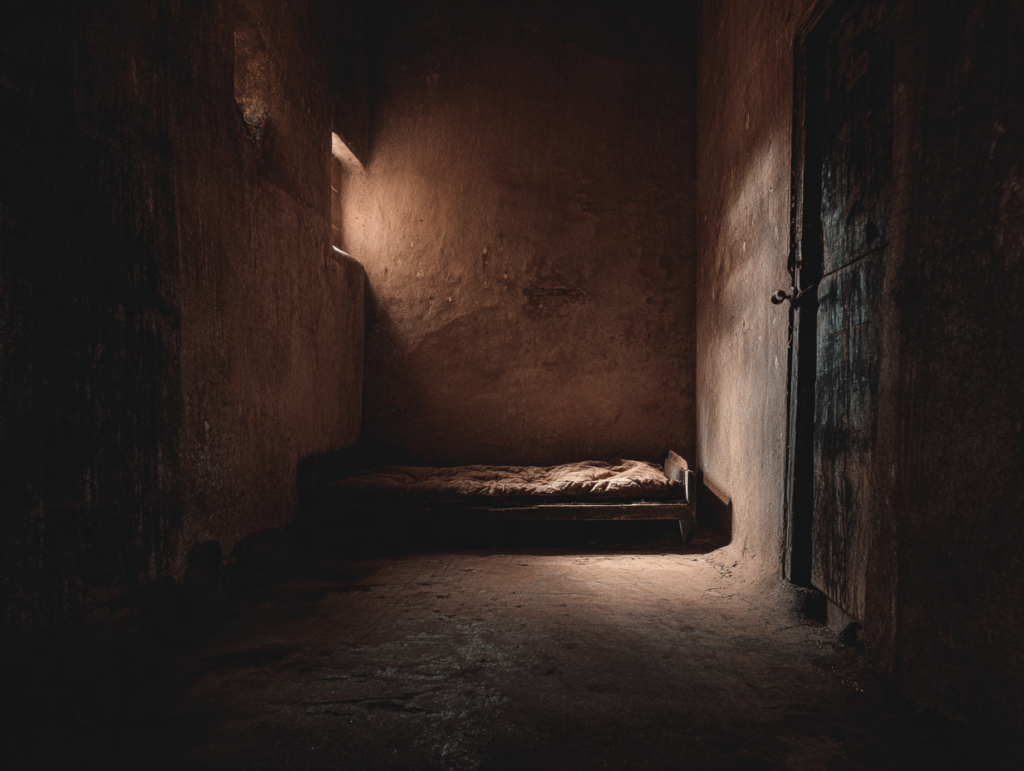
Harris knelt beside the opening, shining his torch deeper into the chamber. “Look here,” he said quietly. “There’s a thin wooden panel at the far end—probably the original door, sealed from outside. And something’s hanging off a nail…” The beam caught a rusted chain, swaying faintly as stale air stirred.
“That’s your tapping,” he continued, matter‑of‑fact. “Draft comes through cracks in the aged timber. This chain—or whatever’s on it—swings against the door. Temperature drops at night, wood contracts just enough. Creates that rhythm you heard. No ghosts. Just physics in a forgotten space.”

Lucy nodded slowly, picturing it: cold air seeping through warped boards, nudging the chain, metal kissing wood in measured time. The sound she’d dreaded for weeks reduced to a simple mechanical echo of a room that had waited decades to breathe freely again.
She crouched and peered inside. Rough boards formed a low ceiling; bare brick pressed close on either side. The narrow bunk ran the length of one wall, opposite a strip of floor where faint scuff marks crossed the dust, as if feet had shifted restlessly there long ago and the memory of movement had lingered.
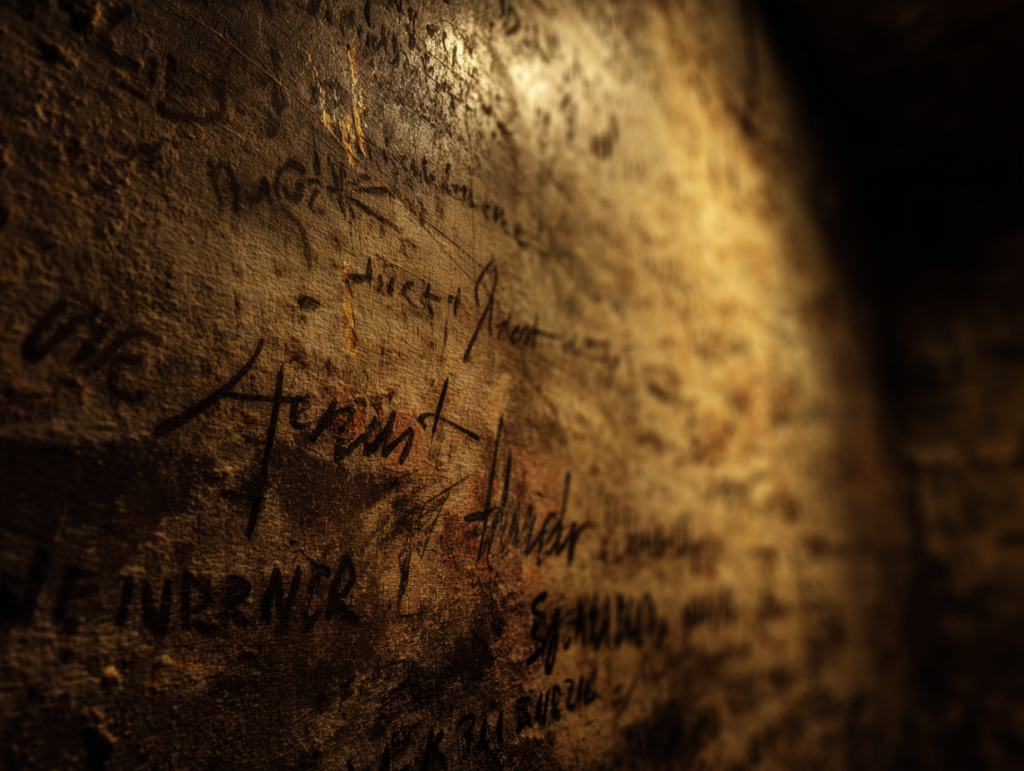
On the brick near the head of the bunk, graphite letters had been scrawled in an uneven hand. Some had blurred with age, but names could still be made out, alongside a date from the early 1940s and a short line in a language Lucy could not read. Her chest clenched at the sight.
“Someone was hiding here,” she said quietly. Harris nodded, his expression sober. “Happened more than people like to remember,” he replied. “Families on the run, refugees. Easier to close things up after, I suppose, than live with the reminder.” He stepped back from the opening, giving her space.

Later, when he’d left and the tools were silent, Lucy stood alone in Emma’s room, facing the exposed cavity. The cold air flowed out more gently now, as if exhausted. She thought of the tapping, the way it had come in clusters, as though echoing movement inside a space precisely this small.
Word spread through the village within days. A local historian arrived with a notebook and a camera, kneeling respectfully before the exposed cavity. “These hiding places were built under terrible pressure,” she explained. “People bricked them over after the war, wanting to forget. You’ve given them back their story.”

Local papers ran a short piece: Hidden Wartime Refuge Found in Village Home. Reporters asked Lucy if she’d been afraid. She shook her head. “Not after I understood,” she said. The tapping had stopped entirely after the wall came down, replaced by the steady hum of normal house sounds.
Harris and his team repaired the damage over two weeks, smoothing new plaster and repainting Emma’s room a brighter shade of blue. They left one small section of the original wall intact, where the graphite names remained visible under glass. Lucy wanted that much permanence, that much acknowledgement.

That evening, on her call with the therapist, she struggled to find words. “It was real,” she said at last. “There was a room. A bunk, names on the wall. People lived in there, or tried to. The sounds weren’t in my head. They were… the house remembering.”
The therapist listened in silence before answering. “It sounds like you uncovered a piece of history that was literally walled in,” she said. “No wonder it felt oppressive. Sometimes our bodies notice what our minds don’t understand yet. You were reacting to something real—you just didn’t know its shape.”

That night, as Emma slept, Lucy lay awake on the sofa downstairs. The house creaked and settled in familiar ways. She listened for the tapping and heard none. Only the low sigh of wind in the chimney, and beneath it, a quiet that felt, for the first time, like relief.