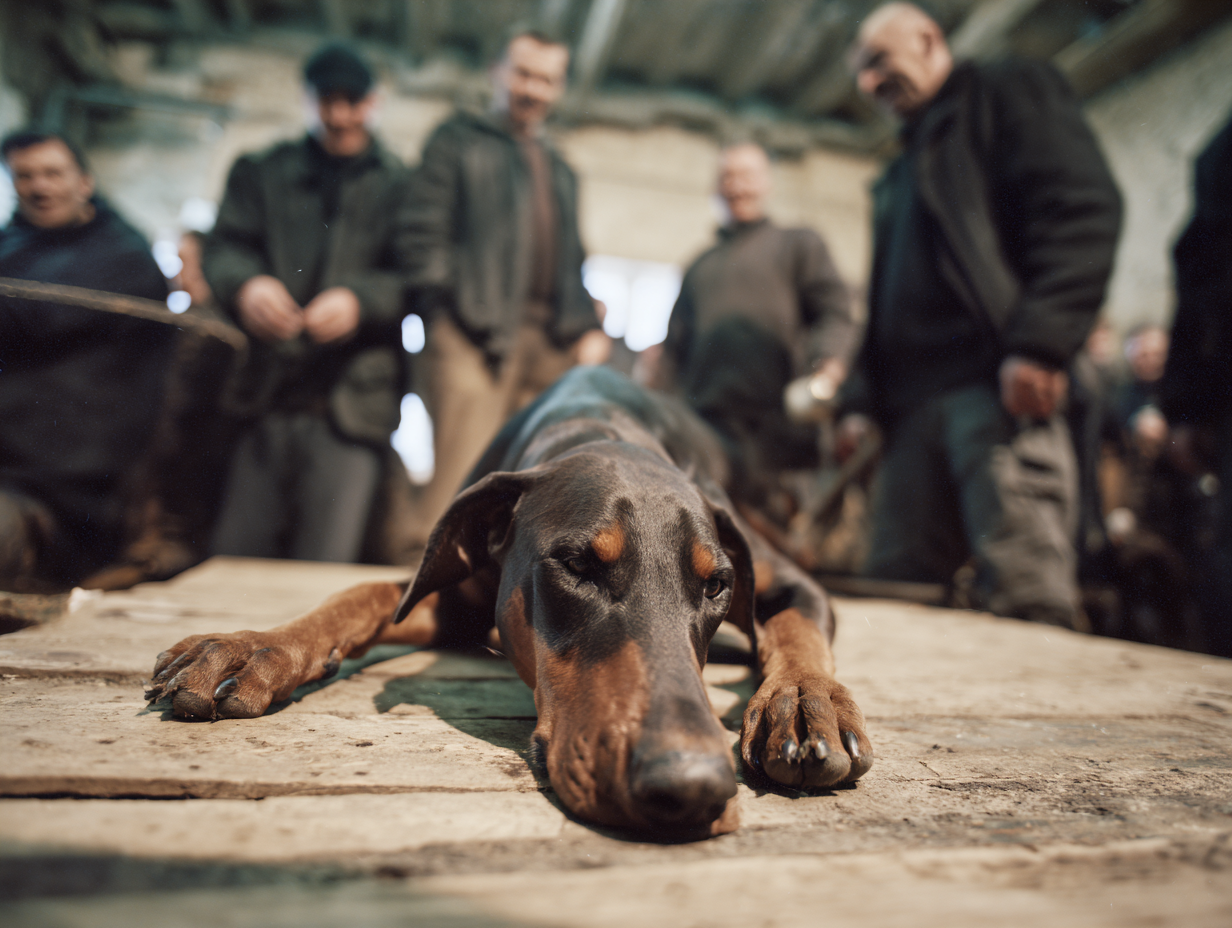
The Doberman was led onto the auction floor with his head low and tail tucked tight. The crowd had expected a show of aggression. Instead, they got fear. Murmurs rippled into laughter. Someone jeered that the dog “looked broken.” Sam watched the dog’s eyes—tired, aware, and far from empty.
The handlers tried to force a demonstration. The dog froze in place, muscles locked, a small whimper slipping out despite himself. One handler muttered, “The mutt is cowardly. No good,” under his breath. Interest drained from the room almost instantly. A quiet decision followed: the dog would be pulled from rotation.
They were already guiding the Doberman away when Sam stepped forward. He didn’t rush. He didn’t raise his voice. “I’ll take him,” he said calmly. The handler looked relieved. The crowd frowned, confused. The dog didn’t move, but his eyes lifted, meeting Sam’s for the first time.
Sam hadn’t come to the auction intending to buy a dog. He came to observe. Watching systems and gathering material for stories had become a habit he couldn’t break, even after everything that happened. He still found himself drawn to unique places where decisions were made quickly and quietly.

Years earlier, Sam worked as an investigative journalist. He was known for long-form pieces that took patience to read and time to land. He didn’t publish often, but when he did, the stories mattered. They exposed people who operated in shadows and relied on silence to stay powerful.
His last major article uncovered a network of private contractors working in legal gray zones. Every claim was sourced. Every fact was verified. The writing was careful, deliberate, and honest. It was the kind of piece that should have stood untouched and protected by the truth it carried.

But it destroyed him. The fallout was immediate and total. Phone calls stopped. Invitations vanished. Projects were quietly reassigned. Sam watched his professional life collapse not through confrontation, but through absence, as if the truth he had written made him radioactive to anyone who wanted to keep their distance.
Anonymous complaints appeared almost overnight. His credibility was questioned in whispers that grew louder with repetition. Editors who once praised his work suddenly hesitated. Support evaporated. The article itself remained unchallenged, but Sam’s name became something people avoided attaching themselves to.

No one ever proved him wrong. There were no retractions, no corrections, no factual challenges that held up under scrutiny. Instead, he was slowly edged out, and atrocious stories about him spread far and wide. He was treated as a problem until being associated with him felt riskier than ignoring the truth he had uncovered.
After that, Sam stopped shaping events and started following them. Court hearings. Auctions. Regulatory meetings. Places where power hid behind procedure and harm was disguised as protocol. Watching became safer than speaking, even if it never felt right.

He learned to listen again. Not to official statements, but to pauses. Not to explanations, but to reactions. Truth still surfaced, he found, it just did so indirectly, carried in behavior rather than words.
That was why he noticed the Doberman’s posture immediately. He understood rejection better than anyone. Fear was being mistaken for weakness. Silence was being mistaken for failure. The dog wasn’t defiant or stupid. It was bracing itself, holding together under a judgment that had already been passed.
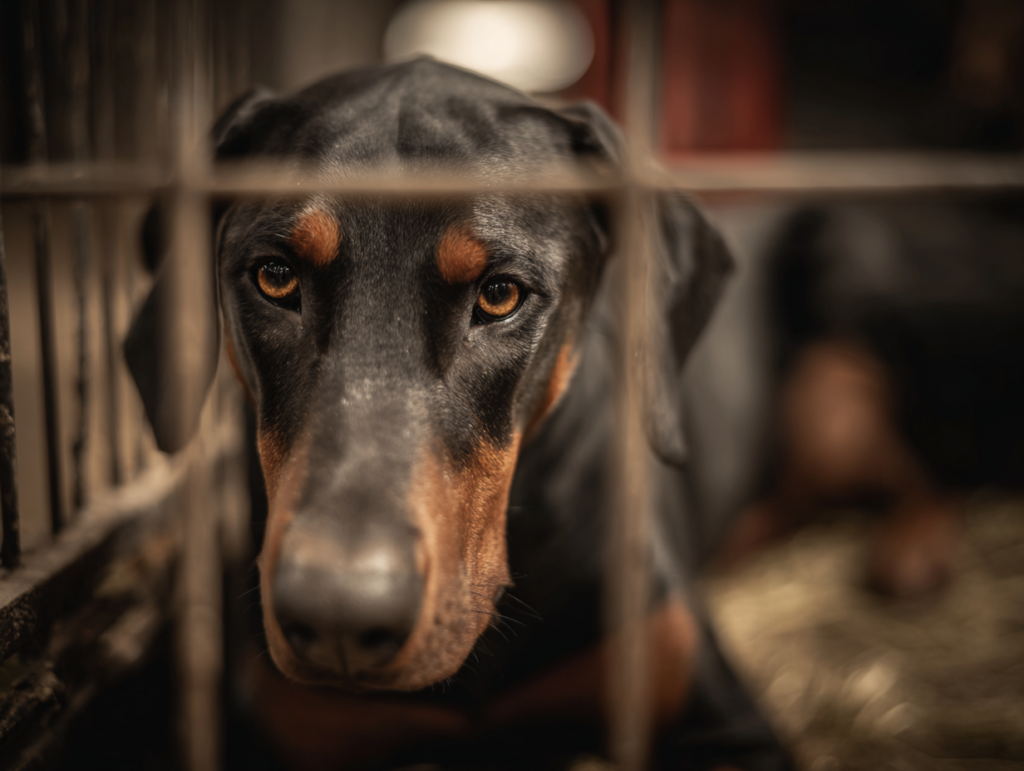
The feeling settled deep in Sam’s chest before he could name it. He had seen this before. He had lived it. The moment when context was ignored, and labels replaced understanding, sealing outcomes long before anyone bothered to look closer.
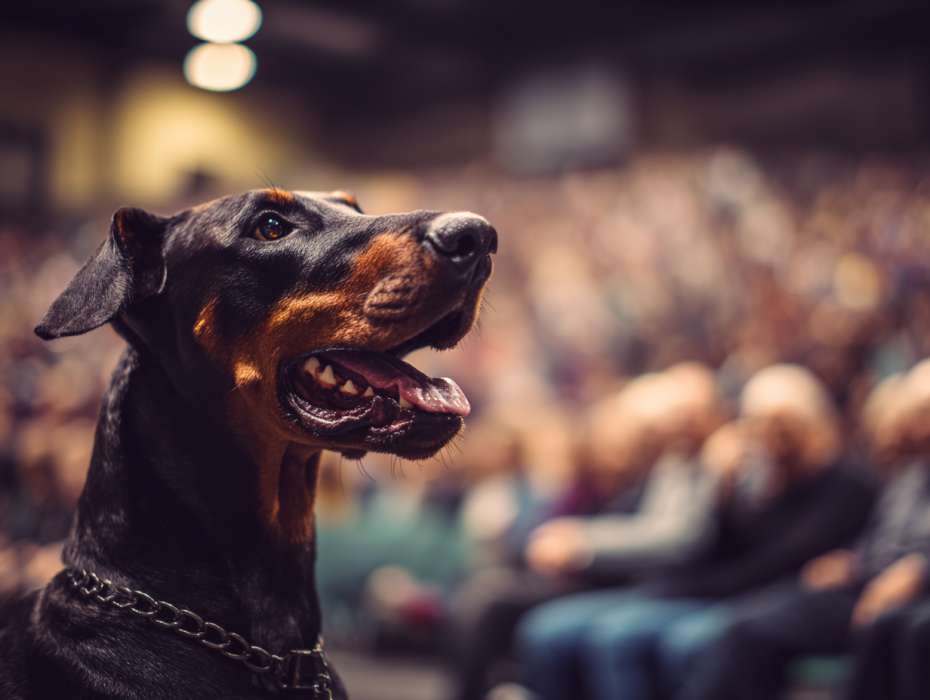
When the crowd laughed, something old and sharp tugged at Sam. Not anger, exactly—recognition, solidarity. The quiet resolve that had once driven him to publish the truth. He understood then why he was there, and he knew he wasn’t going to look away. Quickly, perhaps even rashly, he decided he would give the animal a home.
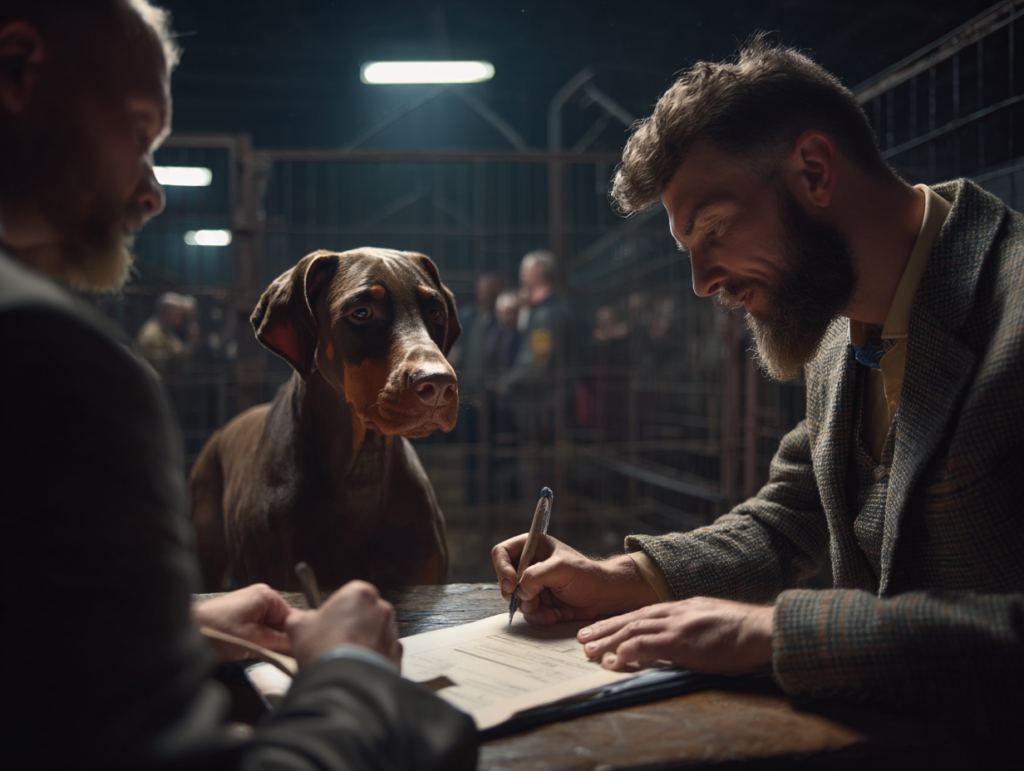
The paperwork shifted tone as soon as the decision was made. Words like “unfit,” “non-performing,” and “below standard” were stamped and repeated. The failure was framed as the animal’s inefficiency, as if the dog were faulty equipment that hadn’t met specifications.
One handler shrugged as he signed off the forms. “Was supposed to be a hunter,” he said casually. “Didn’t have the drive.” He said it the way someone talked about a machine that never started, not a living animal that had endured months of training.
Sam watched the dog closely. He was trembling, but not at the noise or the crowd. The shaking worsened whenever a handler stepped too close. Sam recognized the difference immediately. This wasn’t overstimulation. It was fear tied to specific people, not the environment.
The handler used the term “cowardly dog” again, louder this time, as if to get a reaction. Sam didn’t acknowledge it. He focused on the dog instead, who flinched at the sound and lowered his head further, as though the name itself carried weight.
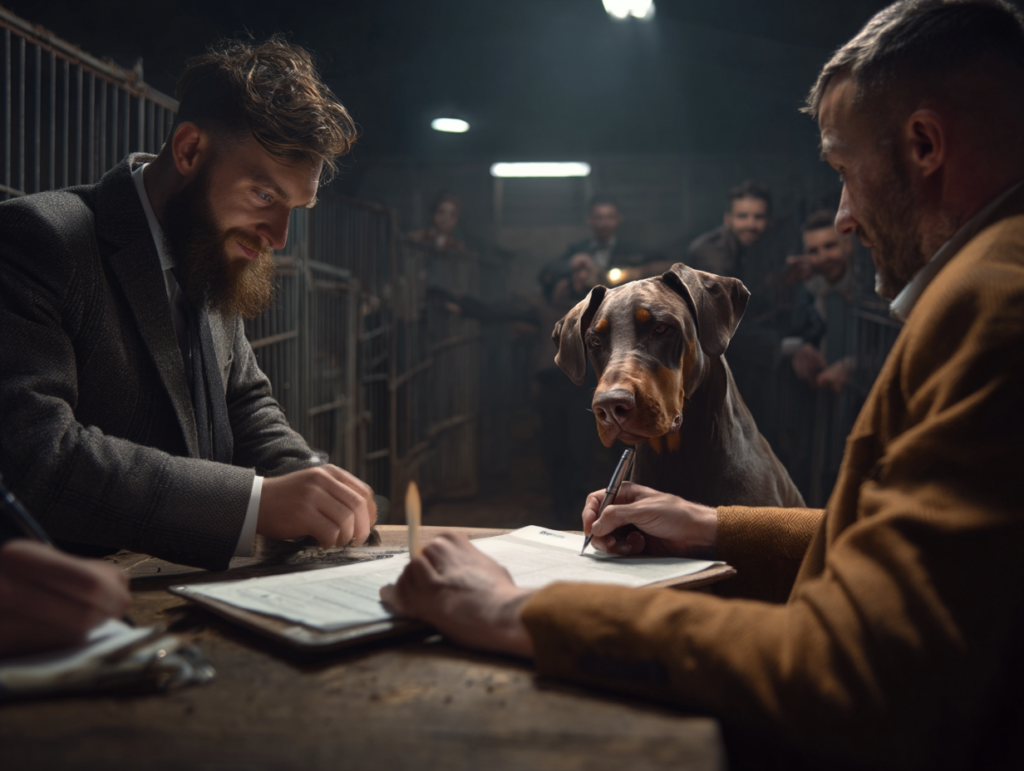
The transfer happened quickly, without a bidding war. There was no dramatic rescue moment. Just a low price agreed upon with visible relief on the handlers’ faces. Sam signed once. The crowd had already moved on, uninterested now that the spectacle was gone.
Outside the building, the dog’s legs buckled. He caught himself just in time, swaying badly before regaining balance. Sam felt a surge of alarm. This did not seem to be emotional collapse alone. Something physical was failing, too. But the handlers had never mentioned it.
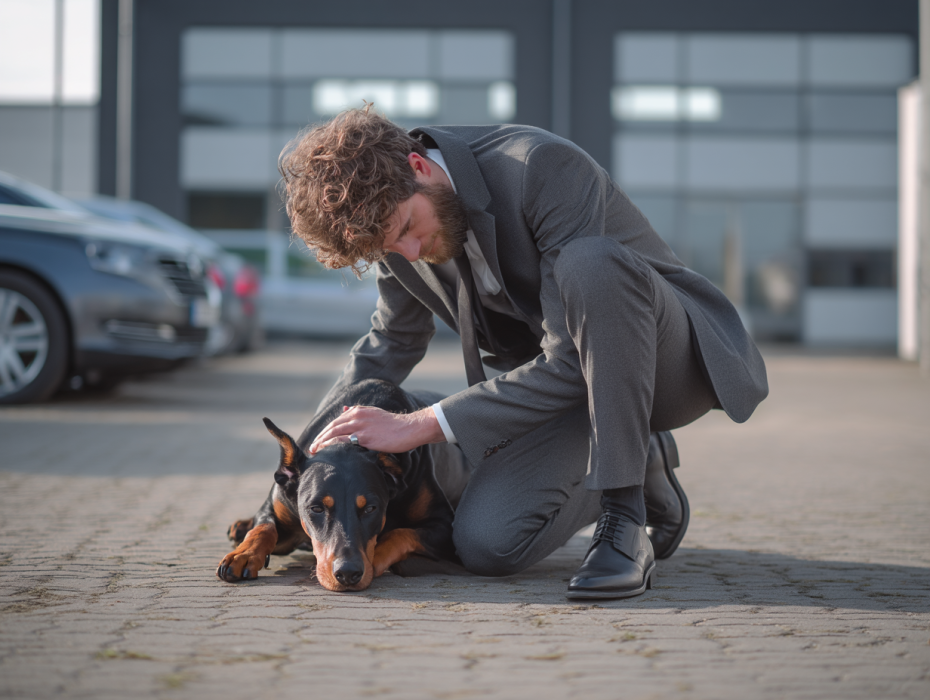
Sam dropped to one knee without thinking. The dog panted hard, sides heaving, body trembling. His eyes darted, then slowly settled. After a long moment, the shaking eased. Sam stayed still, grounding the moment with his presence alone.
Behind them, a handler muttered, “Your problem now. It’s not like we didn’t warn you,” with a tired laugh. Sam didn’t respond. He kept his attention on the dog, who seemed smaller outside the auction hall, stripped of even the illusion of strength.
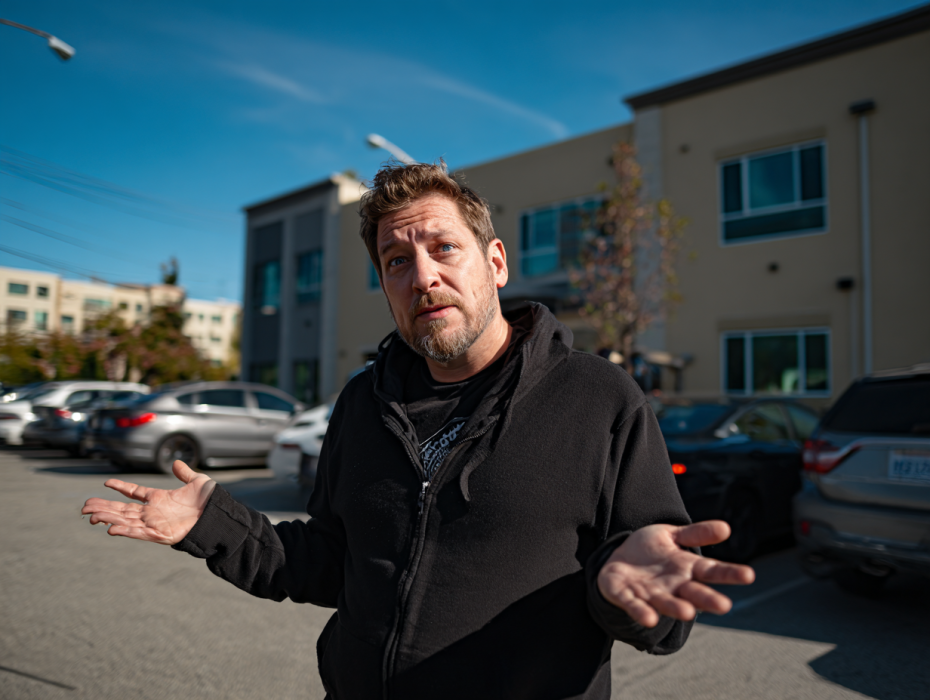
Sam guided the dog toward his car. Each step looked labored and uneven. The dog moved as if already injured, favoring one side, pausing often. Sam slowed his pace without comment, adjusting instinctively to what the dog could manage.
In the back seat, the dog curled into himself, spine curved tightly, paws tucked close. His breathing stayed shallow and rapid. Sam checked the mirrors repeatedly, watching for movement, listening for changes in rhythm.
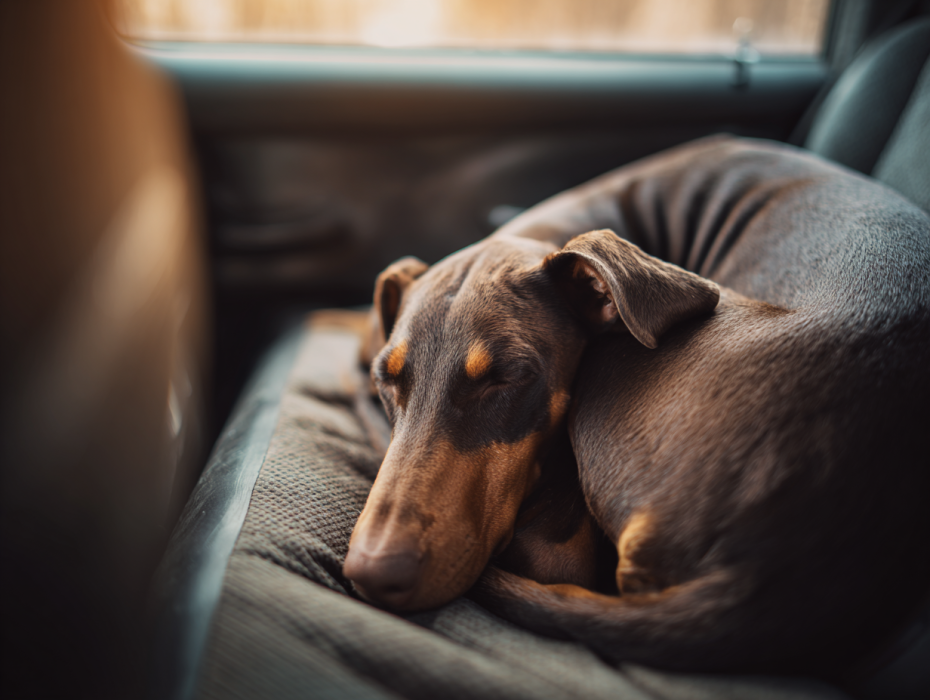
That was when Sam realized something important. The meekness wasn’t just fear. Fear didn’t sap strength like this. Fear didn’t cause collapse after short walks or leave muscles twitching without warning.
This wasn’t a frightened animal adjusting to change. Fear didn’t explain the weakness, the tremors, the collapse. Whatever was wrong with him lived deeper than nerves or memory. It was written into his body, and it had been there for a while.
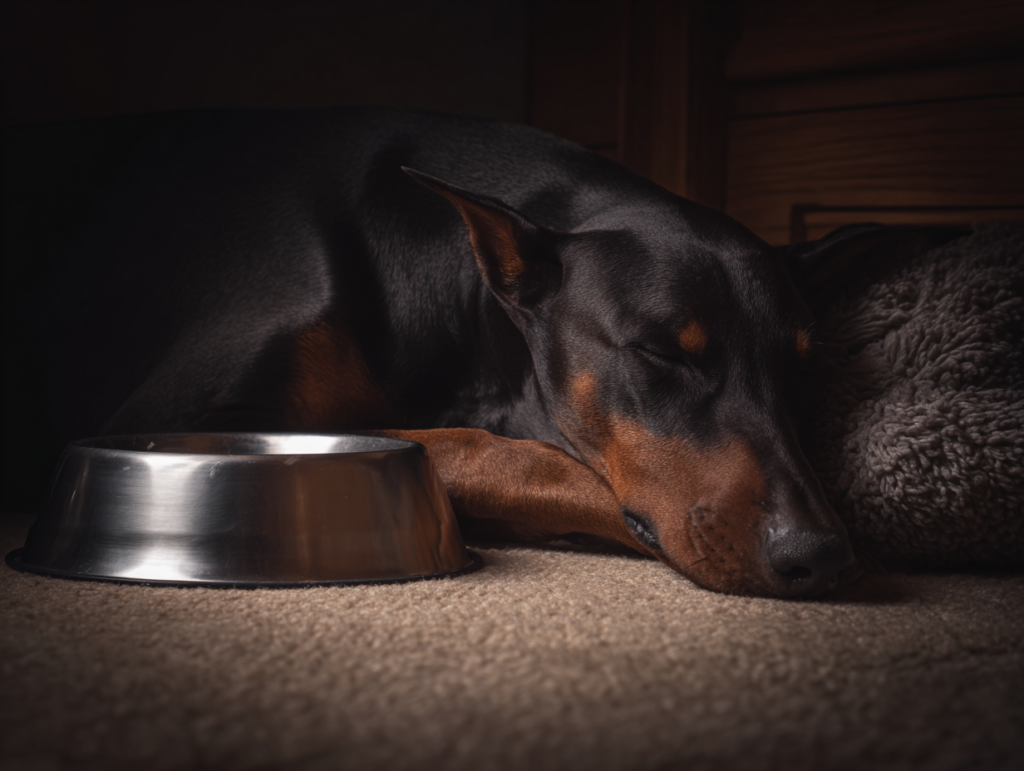
At home, the dog vomited almost immediately after drinking water. He tried again minutes later and retched once more. Sam cleaned silently, heart sinking as the pattern repeated with unsettling consistency.
Food didn’t interest him at all. He sniffed the bowl, turned away, and lay down nearby as if eating required more energy than he could spare. Sam left the bowl out, hoping time might help with the situation.
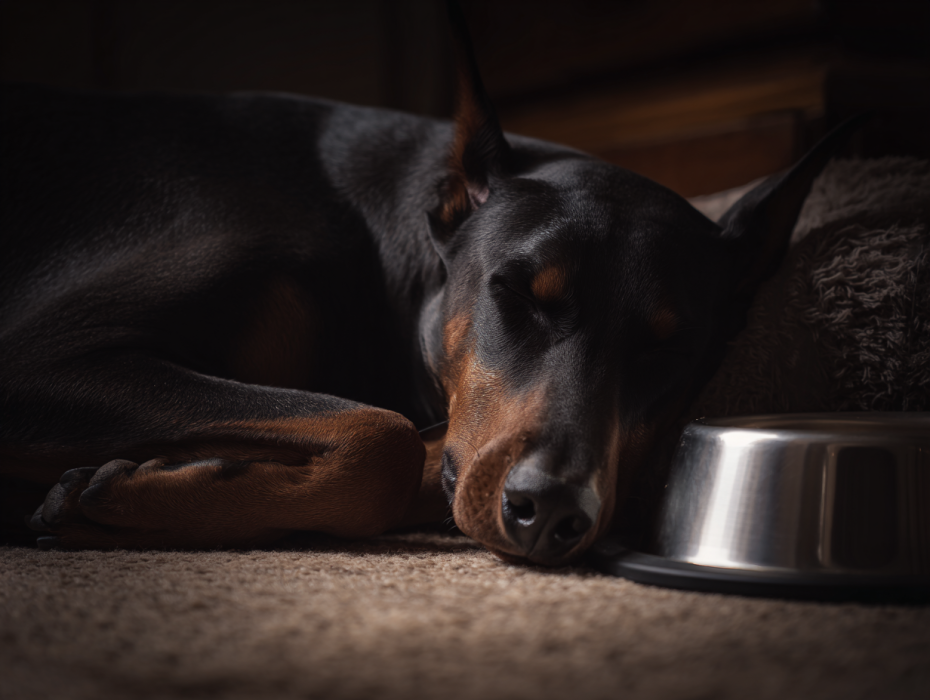
Instead, his muscles began to twitch. Small spasms at first, then more visible tremors along his shoulders and legs. Sam watched closely, counting breaths, feeling the quiet panic build behind his ribs.
Later that night, the dog collapsed again while trying to stand. He didn’t cry out. He simply folded, exhausted beyond resistance. Sam caught him before his head hit the floor.
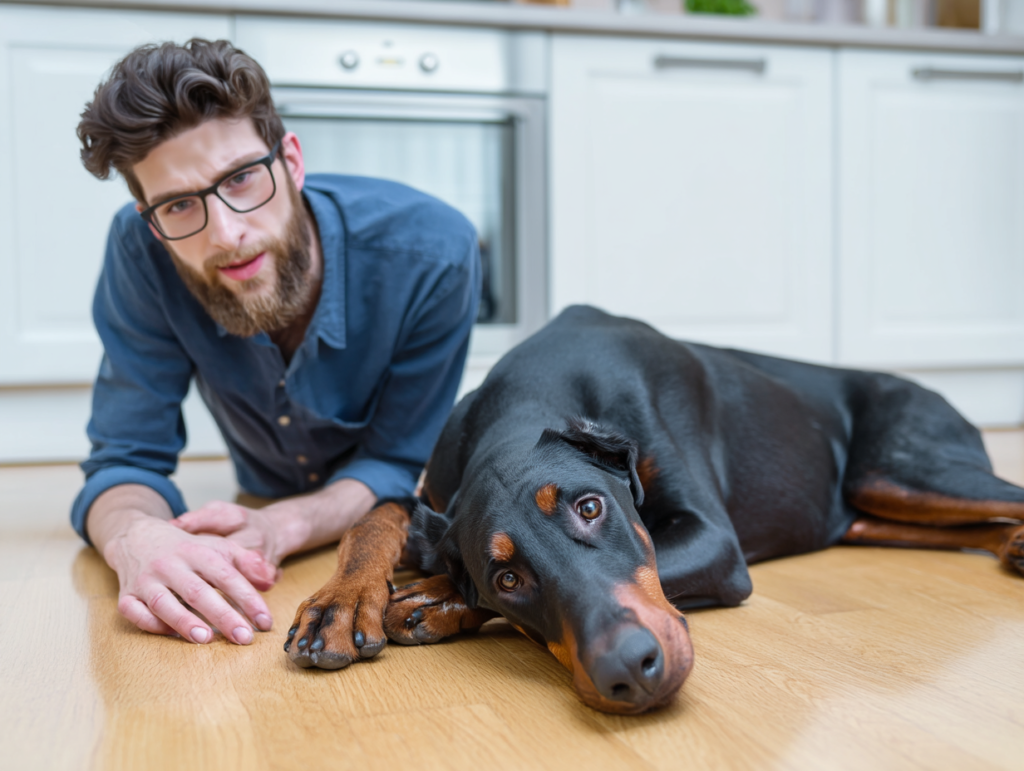
Sam sat on the floor beside him for hours, hand resting lightly against the dog’s chest, monitoring every rise and fall. Sleep came in fragments. Each shallow breath felt like something that could disappear if ignored.
By morning, Sam no longer tried to explain it away. This wasn’t stress or a rough transition into a new home. Dogs adjusted every day without collapsing. The signs were too consistent, too physical, too severe to be dismissed as nerves or shock.

Whatever was happening had started long before the auction. It wasn’t an accident or a single bad moment. It felt systematic, deliberate, something introduced over time and reinforced until the dog’s body could no longer compensate. Sam recognized the shape of it instantly.
That was when Sam began calling him Fortune, though only silently at first. He didn’t say the name out loud yet. It felt fragile, almost reckless, like offering hope before knowing whether the dog had the strength left to accept it.
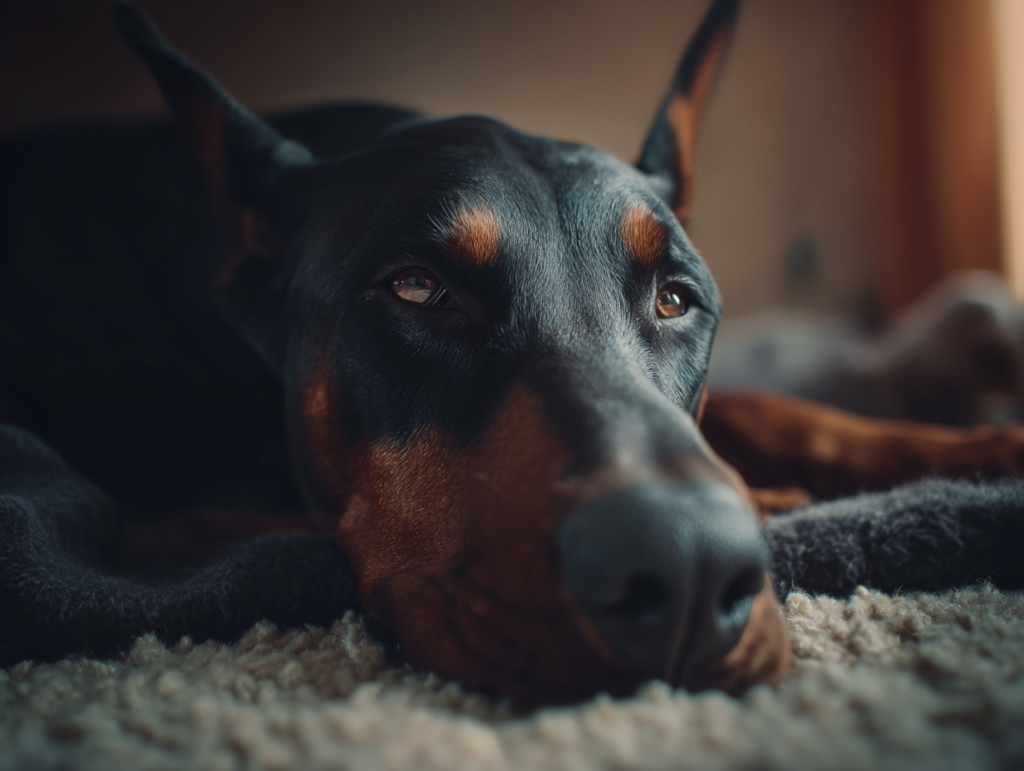
Because looking at the dog lying there, breathing shallow but steady, Sam understood one hard truth. Surviving this long must’ve already felt unlikely, and whatever had happened to him had never been meant to end well.
At the veterinary clinic, Fortune barely reacted to the examination. Hands moved over his ribs, his legs, his neck, and he stayed still, eyes half-lidded, breathing shallow. Sam watched closely, heart tight, realizing how unnatural it was for a young dog to show so little resistance or curiosity.
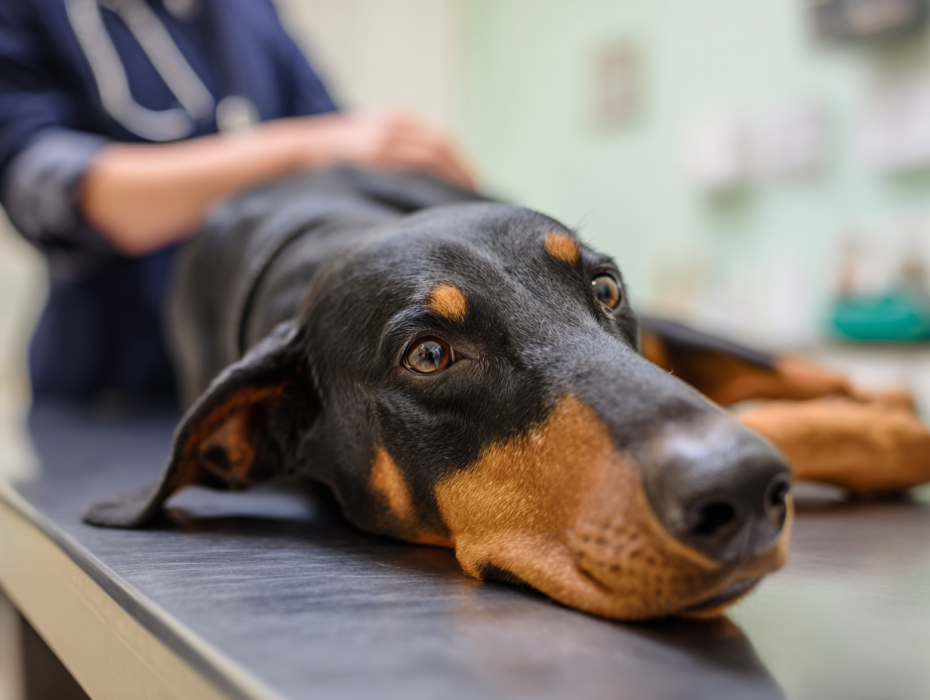
The vet studied the bloodwork longer than usual. Her brow furrowed, and she leaned closer to the screen, scrolling back and forth. Sam recognized the silence immediately. It wasn’t confusion. It was concern settling in, careful and measured.
She pointed to the numbers one by one. Electrolytes were off. Muscle breakdown markers were elevated well beyond normal ranges. Nothing here suggested a simple adjustment problem. Sam felt the weight of it sink in as the pattern became harder to ignore.

“This is too severe for stress alone,” the vet said gently. She didn’t sound alarmed, but she didn’t soften the truth either. Stress could explain fear, maybe appetite loss. It couldn’t explain what Fortune’s body was doing now.
After a pause, the vet asked a careful question, her voice neutral. “Was he ever given performance enhancers?” The room seemed to hold its breath. Sam looked down at Fortune, who lay quietly between them, unaware of the words being spoken.

Sam didn’t answer right away. He replayed the auction in his mind. The handlers. The mocking name. The way they’d spoken about performance and drive. Slowly, he shook his head. “Not that I know of,” he said, though doubt had already taken root.
The vet explained calmly how steroid misuse happened in working dogs. Without veterinary supervision, it was illegal. Dangerous. It could push young animals beyond their limits, masking pain while damaging organs and muscles over time. The effects often appeared suddenly, long after the injections stopped.

“It’s especially harmful in young animals,” she added. “Their bodies aren’t finished developing.” Sam felt a surge of anger he hadn’t expected. Fortune wasn’t weak. He’d been pushed far past what he could safely endure.
Fortune fit the profile almost perfectly. The symptoms. The age. The collapse. Even the sudden rejection once his performance dropped. Sam felt sick as the explanation slid neatly into place, answering questions he hadn’t fully known how to ask.

Sam felt the story forming again, the familiar pull he thought he’d buried. It always started the same way. Something didn’t add up. The official explanation felt thin. And underneath it all, there was systemic harm being quietly normalized.
There was always a question first. One that sounded harmless. One that people brushed past because answering it honestly would take effort, accountability, and risk. Sam had learned to trust that first question more than any denial that followed.

Then came the pattern. Similar symptoms. Similar language. Similar outcomes. Enough repetition to suggest intention rather than accident. Sam had built entire investigations on less than this, and he felt the old instincts waking up.
And finally, there was always something people tried to hide. Not loudly. Not dramatically. Just enough omission, enough silence, to let cruelty pass as procedure. Sam looked at Fortune and knew this time, he wasn’t walking away from it.

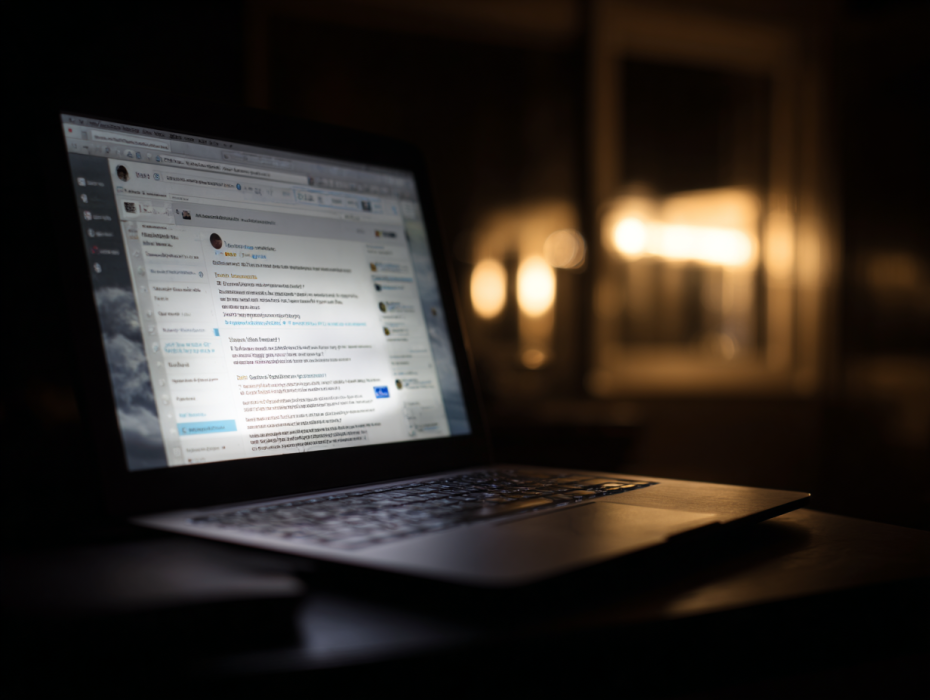
Sam started digging quietly, the way he always had. No calls. No questions yet. Just late nights, open tabs, and careful notes. He moved slowly, letting the information come to him, trusting that patterns revealed themselves more when they weren’t rushed.
He mapped the connections first. There was the breeding facility. Then, trainers who were listed on the paperwork. Thirdly, the buyers who appeared repeatedly in sales records. Each name felt ordinary on its own, but together they formed a network that seemed too efficient, too insulated to be accidental.

Online forums filled in what official records didn’t. Buried posts mentioned “enhanced dogs,” always in passing, always framed as insider knowledge. The language was casual, almost proud, as if everyone reading understood the implication without needing it spelled out.
There were whispers of advantages. Faster kills. Tighter control. Aggression that could be switched on and off at will. Sam read the comments slowly, feeling his stomach tighten. These weren’t rumors about training excellence. These were discussions about manipulation.

What stood out most was what wasn’t there. No veterinary oversight was listed anywhere. No treatment logs. No licensed professionals signing off. Just vague references to “protocols” and “cycles,” words designed to sound legitimate without actually meaning anything.
Sam began cross-checking auction records against those forum posts. Dates lined up. Names repeated. Certain dogs appeared briefly, sold for high sums, then vanished from public listings altogether. The gaps felt deliberate, like footprints brushed away after someone passed through.

Prices told their own story. Dogs trained under specific handlers consistently sold for far more than others. Buyers paid thousands more for animals advertised as aggressive but obedient, powerful yet controllable. Sam recognized the familiar logic of profit justifying risk.
Then he found the deaths. Too many young dogs of prime age. Sudden failures were blamed on genetics or stress. The explanations were thin, repeated almost word for word. Sam felt the anger rise slowly, heavy and controlled, the way it always did before the truth broke through.
Other dogs didn’t die. They disappeared. Perhaps through quiet resales or transfers to private buyers. Names removed from listings. Sam imagined them moving from place to place, bodies carrying damage no one wanted to acknowledge, once the performance dipped.
The pieces finally aligned with illegal steroid protocols. There was most likely no medical supervision or safeguards. These dogs had their performance pushed beyond limits, then were discarded when the cost became visible. Sam had seen this structure before, in industries that treated living beings like disposable tools.

He documented everything again. Screenshots. Records. Timelines. Veterinary notes. This time, he worked with care and patience, knowing exactly how fragile truth could be when power decided it was inconvenient.
On a hunch, Sam went to the training facility. He parked far down the road and walked the rest, keeping his phone silent in his pocket. The place looked ordinary—fences, sheds, floodlights, but it seemed ordinary had learned long ago how to hide cruelty in plain sight.
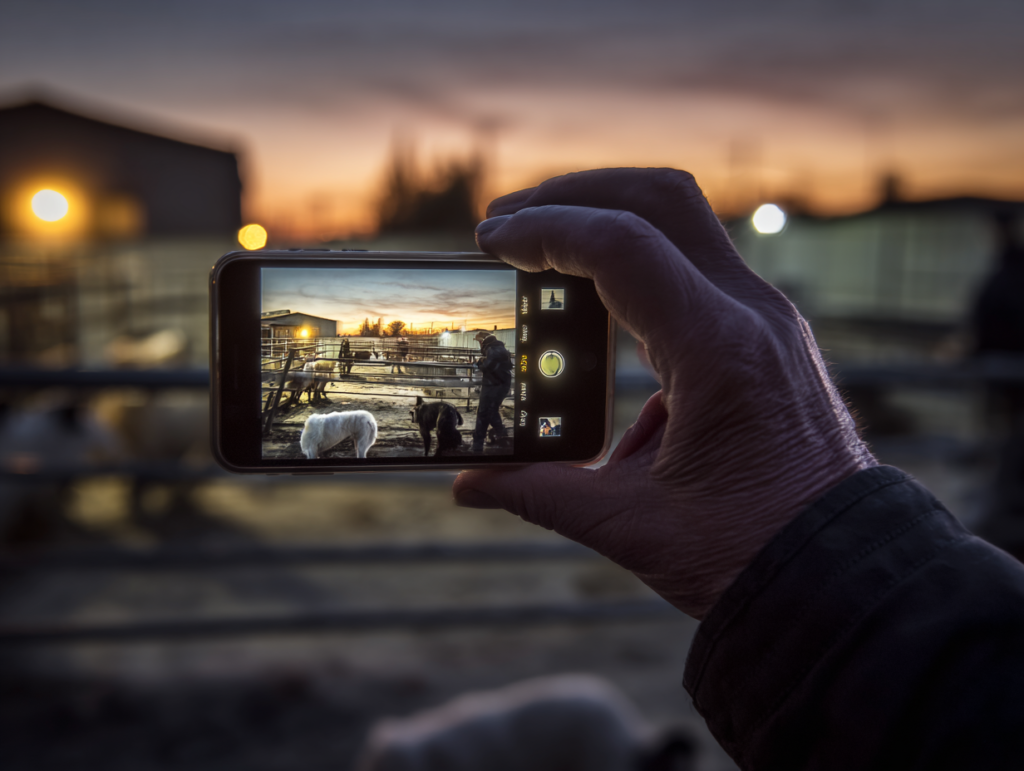
He waited until dusk, when the noise softened, and routines loosened. From the edge of the property, Sam filmed quietly. Dogs lunged on command. Handlers barked orders. A syringe appeared, disappeared. No gloves. No logs. Sam felt his pulse climb as the picture sharpened.
He was turning to leave when a door slammed behind him. Footsteps followed—too close, too fast. “Hey!” someone shouted. Sam ran. Gravel cut into his palms when he stumbled, phone clenched tight, recording still running as lights flared behind him.
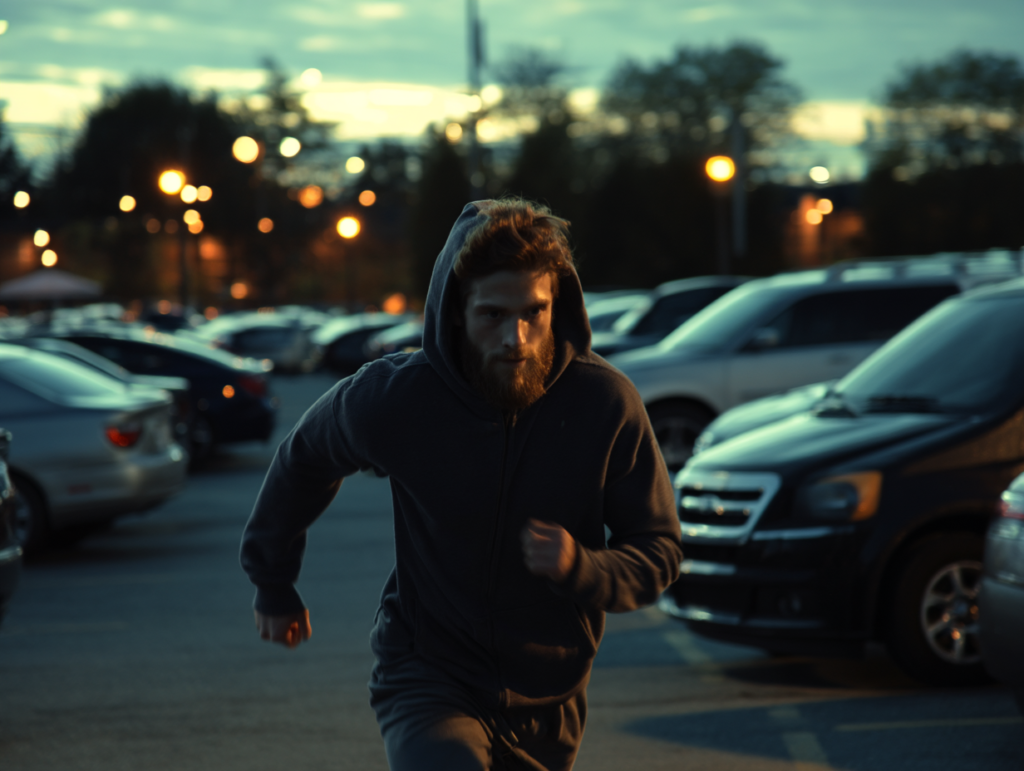
A hand brushed his jacket. Sam twisted free and vaulted a low fence, landing hard but upright. He didn’t stop running until his lungs burned and the road swallowed him again. Only then did he check the footage—hands shaking, breath ragged—and realize he had exactly what he needed.
He knew the footage wouldn’t work on its own. But he also had something different. He had Fortune. A living body that told the story no paperwork could erase. Proof that breathed, struggled, and survived long enough to make outright denial impossible.

The threats arrived quietly at first, almost polite in their restraint. An email asking if he really wanted to reopen old habits. A message suggesting concern for his safety. Nothing explicit. Just enough to remind Sam that someone was watching and hoping he would stop.
More followed. Warnings disguised as advice. Suggestions that digging further would only hurt him again. Sam read them all carefully, noting phrasing, timing, and tone. Fear had a pattern too, and these messages weren’t meant to scare him away, they were meant to wear him down.

Sam remembered exactly what this had cost him before. The silence after publication. The doors that closed without explanation. The way truth could isolate a person faster than any lie. He felt the old hesitation rise, then settle. He had already lost once. He wasn’t willing to lose Fortune, too.
Under medical treatment, Fortune improved slowly. The progress wasn’t dramatic, but it was real. He stood longer. Walked farther. His eyes looked clearer. Sam learned to celebrate small victories, understanding that healing didn’t announce itself, but crept in quietly, asking for patience.
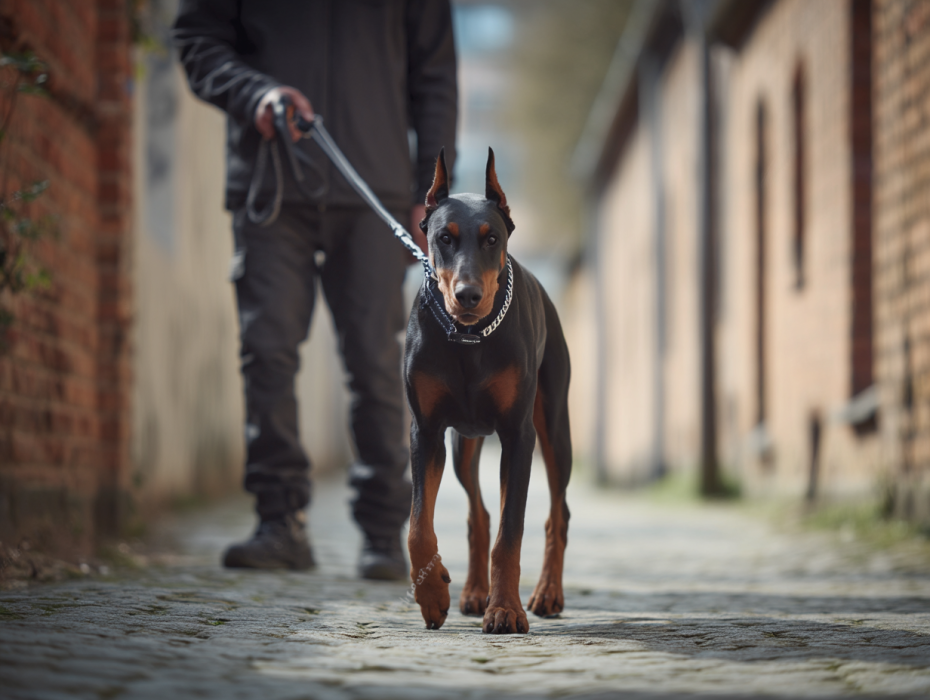
Strength returned in increments. Fortune had a steadier gait and longer interest in food. His tail lifted slightly instead of staying tucked. Appetite, when it followed, came cautiously at first, then eagerly. Sam watched each change with relief he didn’t let himself voice out loud.
Sam gathered the veterinary reports carefully, treating them like sworn testimony. Bloodwork. Treatment plans. Progress notes. Each document told part of the story Fortune’s body had already revealed. Together, they formed evidence that couldn’t be brushed aside as opinion or emotion.

With a lot of effort on his part, former buyers began reaching out anonymously. Some were angry. Others ashamed. All of them told similar stories—dogs that performed intensely, then collapsed, sickened, or died young. Sam listened without judgment, letting their experiences fill in the spaces records never would.
A larger racket emerged gradually. Breeders. Trainers. Middlemen. Buyers. All connected by money and silence. Sam traced the structure carefully, realizing this wasn’t about a few bad decisions. It was a system built to profit from pushing living bodies too far.

Apart from the medical non-supervision, Sam also found proof of the use of illegal drugs. This was no oversight. They were weighing performance above welfare. Profit first, consequences later. It was an operating model, refined and protected until someone forced it into the light.
Sam published his work anyway. He wrote with restraint and precision, the way he always had. He let the documents speak. Let facts stack quietly until denial collapsed under its own weight. He didn’t soften the truth this time, and he didn’t apologize for it either.

The story broke publicly within days. Headlines spread fast, amplified by evidence that couldn’t be ignored. Readers reacted with disbelief, and then anger. What had once been whispered in forums was now impossible to dismiss.
Authorities, moved to action by animal welfare groups, moved quickly once the spotlight hit. Facilities were raided. Records seized. Veterinary logs demanded. The speed surprised even Sam. It turned out that exposure, when loud enough, still worked.
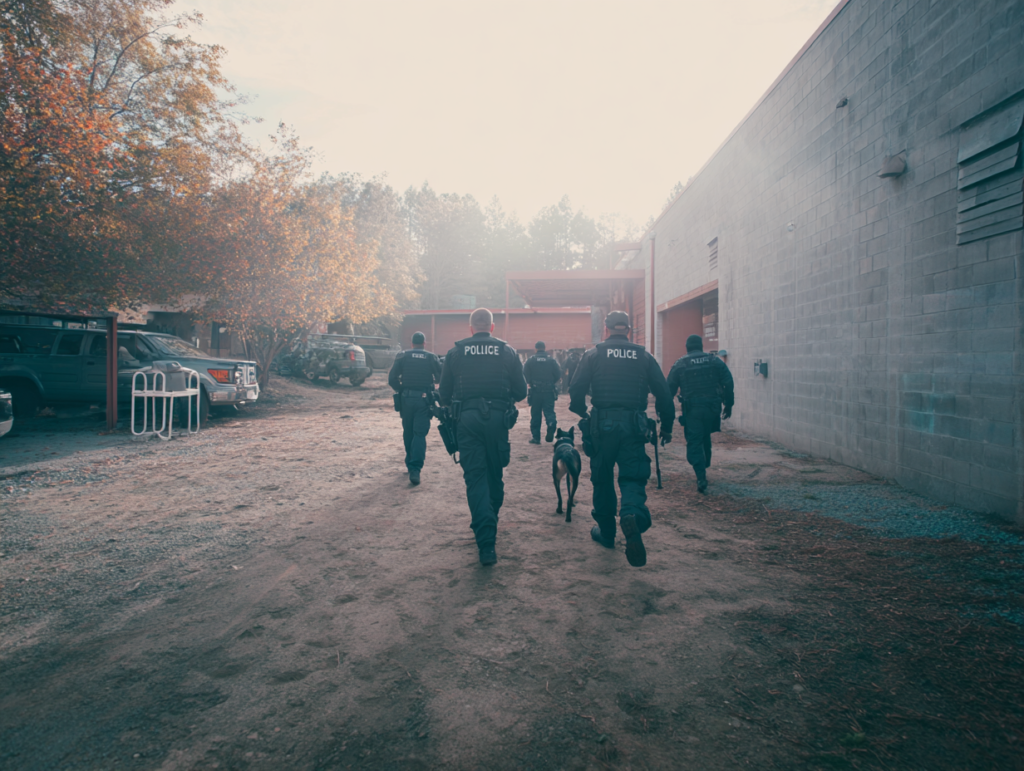
Dogs were seized from training grounds and holding facilities overnight. Some were strong. Others were barely standing. Sam saw images circulate and recognized the same signs he’d seen in Fortune. Fear mixed with relief as help finally arrived.
Handlers were arrested one by one. Some denied everything. Others stayed silent. A few tried to justify their methods. None of it mattered anymore. The evidence had already spoken for itself.
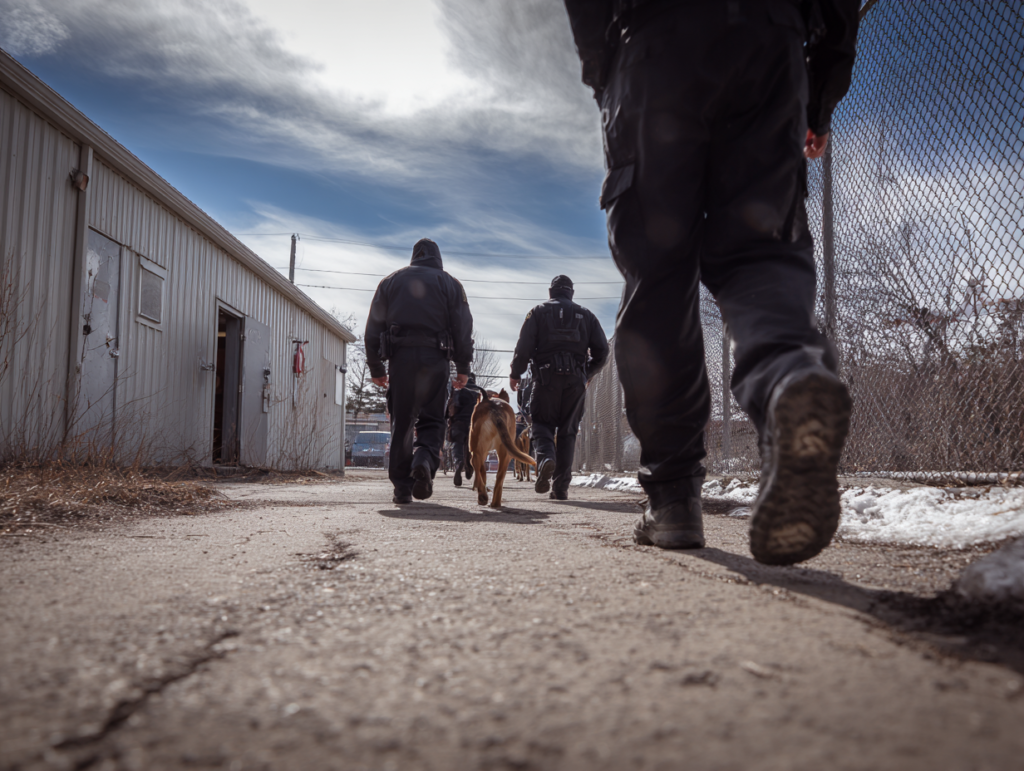
The organization collapsed almost overnight. Contracts vanished. Websites disappeared. Names were scrubbed from promotional materials. What remained was an empty structure that could no longer pretend it served anything but profit.
Sam’s name was cleared quietly but firmly. Editors reached out again. Invitations returned. There were no public apologies, but the work spoke for itself. This time, the truth stayed standing, and so did he.

One afternoon, Fortune ran across an open field without pain or stiffness. He did not collapse. It was movement, free and unguarded. Sam watched with a tight throat, realizing how long the dog had carried damage without ever being seen.
He never trained Fortune to hunt again. There was no need for it. He learned instead how to rest, how to play, how to exist without expectation. His strength belonged to him now, not to anyone who wanted to use it.

Sam returned to journalism cautiously. He chose his stories with intention, not urgency. He trusted his instincts again, knowing what they had cost him, and what they had saved.
This time around, he didn’t stand alone. Support came from people who understood the stakes and shared the responsibility. Sam accepted it without hesitation, no longer mistaking isolation for integrity.
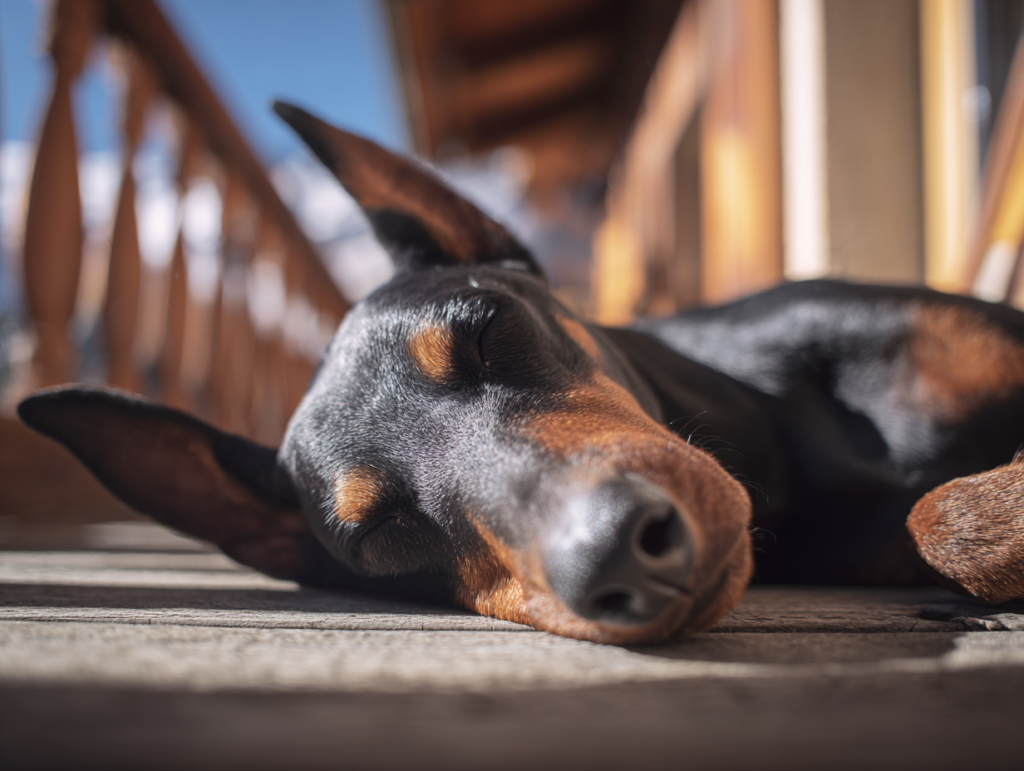
As for Fortune, he slept in the sun most afternoons, stretched out and unafraid. He was healthy and unfettered. He was no longer a product or a weapon, just a dog who survived the truth long enough to help expose it, and finally live beyond it.