
The restaurant was nearly empty when Clare went back inside—chairs stacked, lights dimmed, the warmth of dinner replaced by a hollow quiet that made her footsteps echo. She had barely reached the host stand when the manager stepped in front of her, face tight. “Ma’am,” he said, already guiding her away, “I need you to come with me.”
He didn’t touch her, but she swayed anyway, her thoughts lagging behind the moment. In a narrow office, he lifted her bag from the desk. “This is yours?” Clare nodded, pulse racing. He reached inside and pulled out a small, unmarked sachet. White powder. Fine. Wrong. “Do you know what this is?” he asked softly.
The room tilted. She tried to answer, but her tongue wouldn’t move. The lights felt too bright. Her limbs too heavy. The sachet lay between them like an accusation as her balance failed. She heard her name, a door opening somewhere close—and with a sudden, chilling certainty, Clare realized whatever this was, it had already started.
Clare Whitman was good at managing things. At work, she ran a team twice her size without raising her voice, fixing problems before they became visible. Promotions followed. So did the paycheck. At home, she did much the same. Her income carried more than half their life. Combined with Daniel’s salary, it made everything feel stable.

Bills were paid. Plans were made instead of postponed. Daniel noticed the difference more than he liked to admit.He worked hard, but his job never seemed to reward it. Promises stalled. Managers rotated. He came home tired in a way that had nothing to do with hours. Clare never pointed out the imbalance. She didn’t need to.
Daniel did that himself. One night, after she mentioned a promotion, he sat on the edge of the bed longer than usual. “Does it ever bother you?” he asked. When she looked up, he added, half-smiling, “That you married a guy who keeps missing his moment.” Clare closed her laptop. “You didn’t miss anything,” she said. “You’re building. That counts.”

He nodded, relieved. Kissed her forehead. And for a long time, she believed that was enough. Work stayed demanding. Clare liked the responsibility, even when it followed her home. When stress began disrupting her sleep, her doctor suggested mild medication.
Clare hesitated. Daniel didn’t. “Just until things level out,” he said gently. Eleanor agreed. She always had. It was Eleanor who introduced Brooke—not as family, but as help. A trained nurse she knew. Temporary. Calm. Professional. Brooke fit into the house quietly.
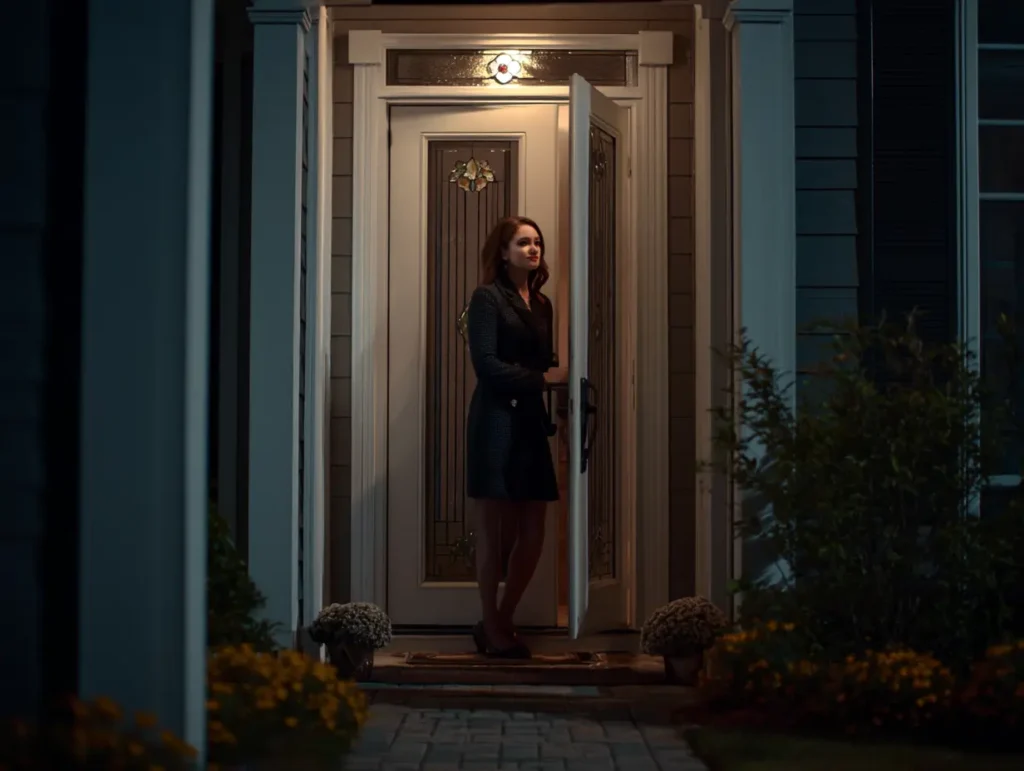
She tracked medications, joined Clare at appointments, kept careful notes in a small leather notebook. Clare found the structure reassuring. Her health steadied. Daniel seemed lighter too. More relaxed. The house felt balanced again. Then her father called.
It was late afternoon, the kind of hour where the day hadn’t quite released its grip. Daniel called out from the living room that the phone was ringing, his voice casual, distracted by whatever was on his screen. Clare went into the kitchen to take it, leaning against the counter as she listened, absently watching the light shift across the floor.
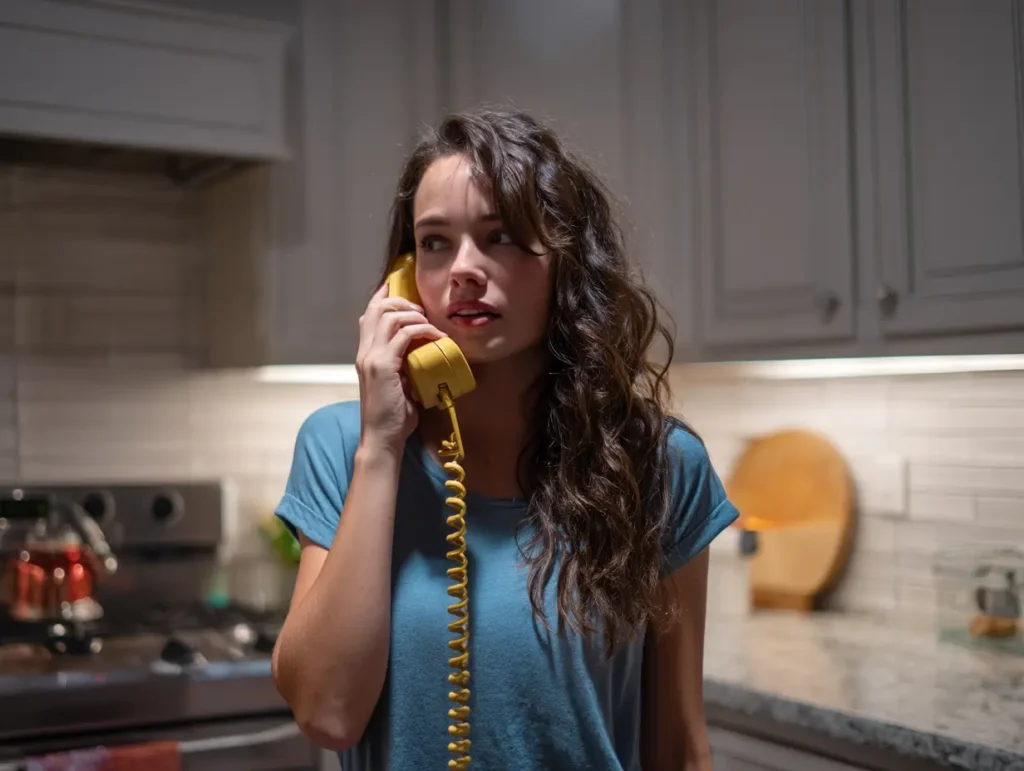
Her father didn’t preface it. He never did. “I’m ready to step back,” he said. “And I want you to take over.” Clare laughed at first, certain she had misunderstood. But he was serious. He had built the company slowly, carefully, and he was tired. He wanted it in capable hands. Hers. “I trust you,” he said simply. “More than anyone.”
They talked longer than she meant to. About timing. About responsibility. About how proud he was of the woman she had become. When she hung up, her hands were trembling—not with fear, but with something close to awe. She didn’t tell Daniel right away. Not because she didn’t want to share it, but because she wanted to do it properly.
Clare decided she would wait. Tell them properly. Not in passing, not between errands or half-finished conversations. Her wedding anniversary was approaching. It felt like the right moment. Daniel suggested dinner before she did. A quiet place. Somewhere with a view. “You’ve had a rough year,” he said. “Let’s do something just for us.”
Eleanor approved at once. Brooke smiled and said it would be good for Clare to feel normal again. Clare agreed. She told herself she would wait until after the anniversary. Then she would tell them everything.

The days leading up to it passed in a careful blur. Clare kept her routine steady—early meetings, long hours, the familiar pressure that came with being good at what she did. Work was demanding, but it was clean. Predictable. When she was there, she felt like herself. At home, things moved more slowly. Evenings stretched.
Conversations lingered longer than necessary. She wasn’t unhappy—just aware that her energy didn’t return as quickly as it once had. She blamed stress. Responsibility. Normal things. Daniel noticed, as he always did. He asked if she was sleeping, if she’d remembered her medication, if the headaches had eased. His concern stayed gentle. Never urgent.

Brooke echoed the same questions with professional calm. Between them, Clare felt supported enough not to question it. On the evening of their anniversary, Daniel insisted they go out. Not somewhere loud. Not crowded. “Just dinner,” he said lightly. “We don’t need a whole production.” Eleanor agreed immediately.
Brooke smiled and said it would be good for Clare to get out of the house, to feel normal for a change. Clare didn’t argue. She told herself she was imagining the heaviness in her body, the way her thoughts sometimes lagged half a second behind her intentions. Stress, she thought. A long year catching up to her. Tonight would be easy. Familiar. Safe.

The restaurant overlooked the city, all glass and warm light, the kind of place that made you lower your voice without being asked. Daniel held the door for her. Eleanor walked ahead with practiced confidence. Brooke followed close behind, already comfortable in the rhythm of the group.
At the table, everything looked the way it was supposed to. Daniel reached for Clare’s hand. Eleanor commented on the view. Brooke poured water, then wine, then smiled as if she were part of the picture rather than someone newly added to it. Clare let herself relax into the moment.

Midway through dinner, when the plates had been cleared and the second round of wine arrived, Clare did something she hadn’t planned. She told them. Not all at once. Not ceremoniously. Just a pause in the conversation, her fork resting against the edge of the plate, her voice steady when she spoke.
She said her father was stepping back. That he wanted her to take over what he’d built. That it would happen soon. For a second, no one spoke. Then Daniel smiled—wide, almost stunned—and reached for her hand. Eleanor’s eyebrows lifted in approval. Brooke let out a soft laugh and said, “That’s incredible,” like the word had been waiting for somewhere inside her.

The moment felt right. Warm. Earned. Clare hesitated, then added something else, almost as an afterthought. That she was starting a new position the very next morning. That she’d accepted it quietly, wanting the anniversary to come first. Wanting the news to feel like a gift instead of an announcement. “I was going to surprise you,” she said, apologetic and pleased all at once.
Daniel squeezed her fingers, pride flashing across his face. “Tomorrow?” he said. “You didn’t tell me.” She smiled. “I wanted it to be perfect.” They ordered champagne. They toasted—to Clare, to her father, to the future. Daniel’s arm stayed around her shoulders longer than usual, his thumb tracing small, absent circles against her sleeve.

Clare felt a swell of warmth then, something close to relief. She had been right to wait. Right to tell them this way. Together. When the food arrived, Daniel slid a small packet across the table toward her with practiced ease. “Before food,” he said quietly. “Doctor said it helps with absorption.” She took it with a sip of water and returned to her plate.
The first few bites tasted fine. Normal. Then something shifted. It wasn’t pain. Not exactly. More like a delay. Her thoughts felt a step behind her movements, her body slower to register itself. Heat crept up her neck. The room seemed louder, sharper at the edges. Clare set her fork down, willing the sensation to pass. “I’m going to use the restroom,” she said, already standing.

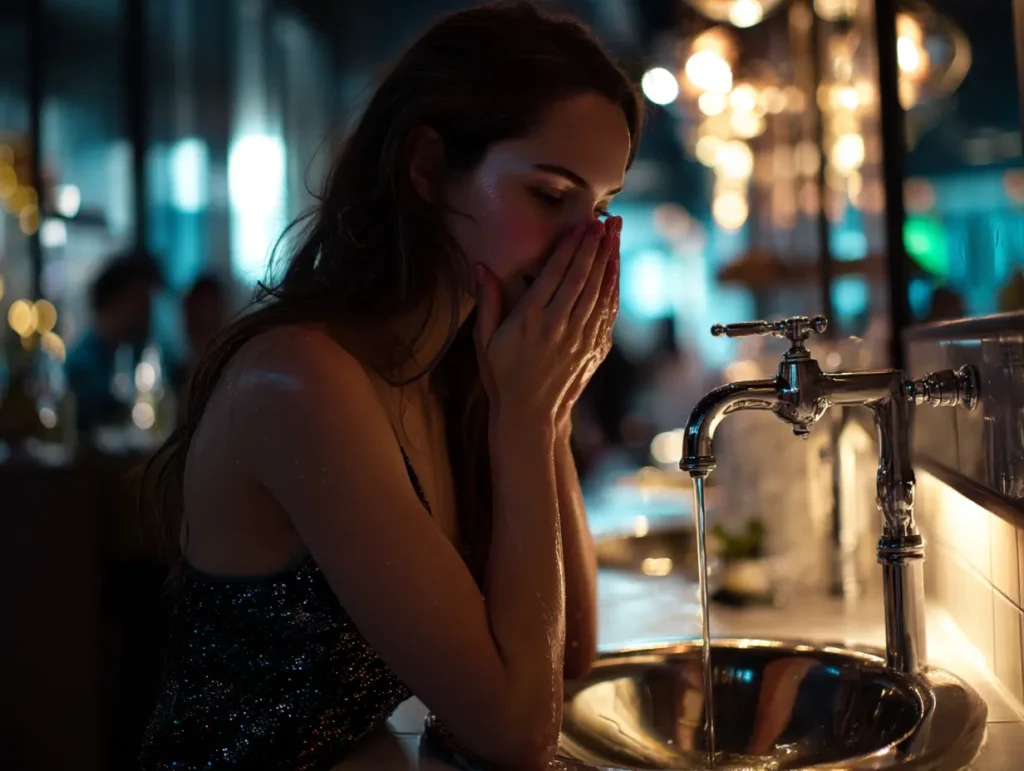
Brooke noticed immediately. “Want me to come with you?” Clare shook her head, forcing a smile. “I’m fine. Just need a minute.” The bathroom was cool and quiet. Clare braced her hands against the sink, breathing through a wave of nausea. The wine hadn’t sat well, she told herself. That was all. Too little food, too much celebration.
She splashed water on her wrists and waited until the world steadied again. When she returned to the table, Daniel was already checking his phone. His expression tightened as he listened, nodding once before ending the call. “I have to step out,” he said. “Something came up at work. I’m really sorry.” Eleanor was already gathering her things. Brooke stood, quick and efficient.
Clare felt oddly heavy as she rose, her limbs slow to respond, as if she were moving through something thicker than air. Outside, the valet brought the car around. The city pressed in close, headlights flaring too brightly. Just as Clare reached for the door handle, a sudden jolt of panic cut through the haze. “My bag,” she said. “I left it inside.”
Daniel turned immediately. “I’ll go get it.” Clare shook her head, firmer than she felt. “No. You should go. I need the restroom again anyway. The wine didn’t sit right. I’ll grab my bag and take a taxi home.” They protested. Eleanor frowned. Brooke offered to stay. Clare waved them off, already turning back toward the entrance.

It felt important—urgent—that she do this alone, though she couldn’t have said why. Inside, the restaurant was quieter now. Chairs stacked. Lights dimmed. The warmth from earlier had drained out, leaving behind a hollow stillness that made her footsteps echo. She had taken only a few steps when a voice stopped her.
“Mrs. Whitman.” The restaurant manager stood just ahead of her, not smiling, his posture tense with restraint. He glanced once toward the dining room, then back at her. “Please,” he said, lowering his voice. “I need you to come with me. Right now.” And in that moment—foggy, unsteady, alone—Clare knew that whatever came next had nothing to do with a forgotten bag.
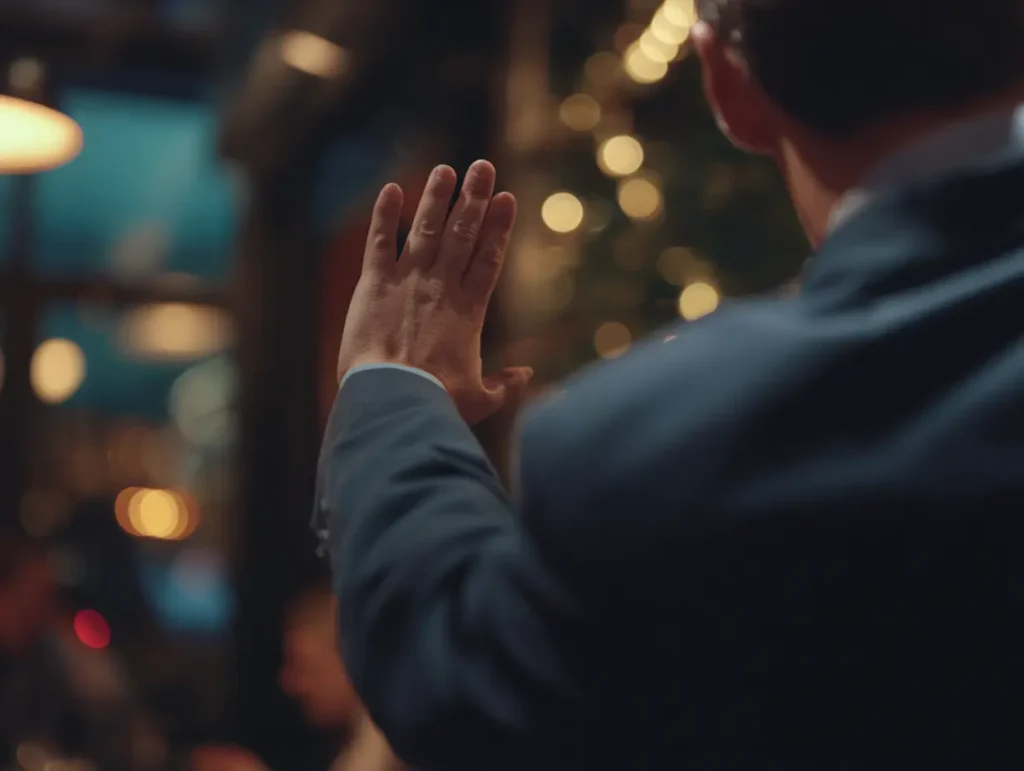
The manager didn’t touch her. He didn’t raise his voice. He simply gestured toward the door beside the host stand. “Would you mind stepping into the office for a moment?” he asked. “Just so we can clear something up.” Clare hesitated. Her legs felt slow, like they didn’t quite trust the floor. “I just need my bag,” she said. “I’m not feeling very well.”
“That’s actually what this is about,” he replied, already turning. “We just need to confirm it’s yours.” The office was small and overly bright. Too clean. The manager placed her bag on the desk between them and asked her to identify it. Clare nodded. Of course it was hers. She recognized the scuff near the zipper, the frayed corner she’d meant to fix.
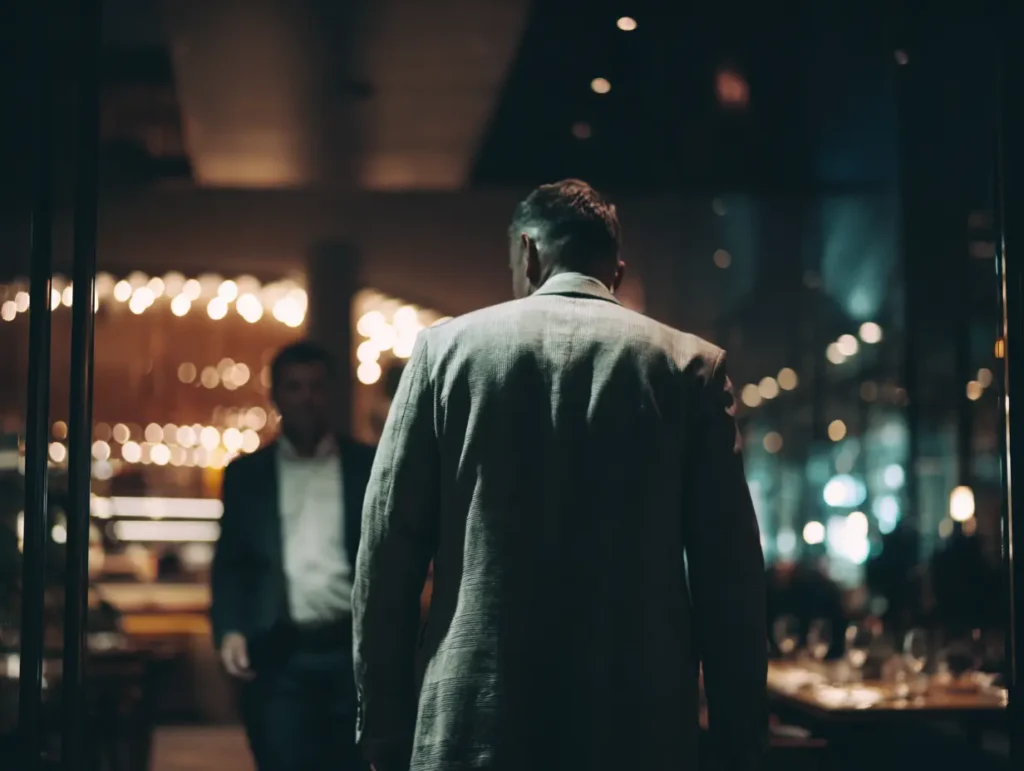
“Thank you,” he said. Then, after a beat, “I’m going to need you to wait here a moment longer.” “For what?” she asked. He didn’t answer right away. He stepped closer to the doorway instead, positioning himself just enough to make leaving awkward without actually blocking her. “I’m sorry,” he said quietly. “This won’t take long.” The waiting stretched.
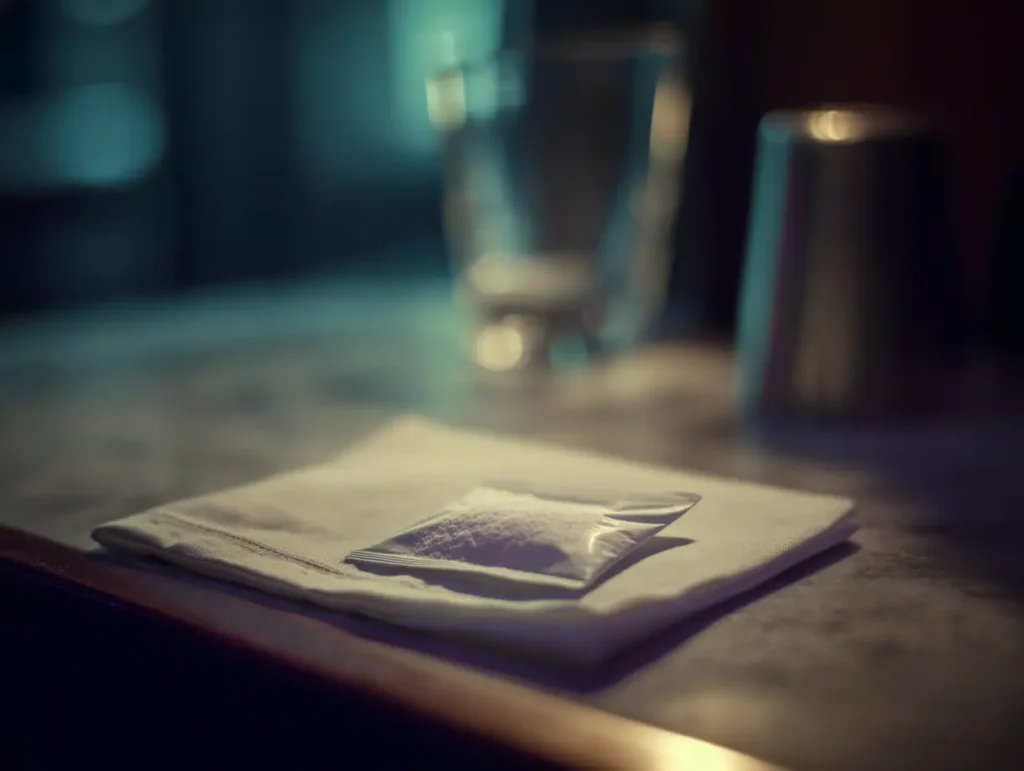
Clare’s thoughts felt slippery, like she couldn’t hold onto them long enough to form questions. By the time she heard the voices outside—firm, official—her heart had already begun to race. The officers were polite. Almost apologetic. They asked her name. Asked if the bag belonged to her. Then one of them reached inside and removed a small, unmarked sachet sealed in clear plastic.
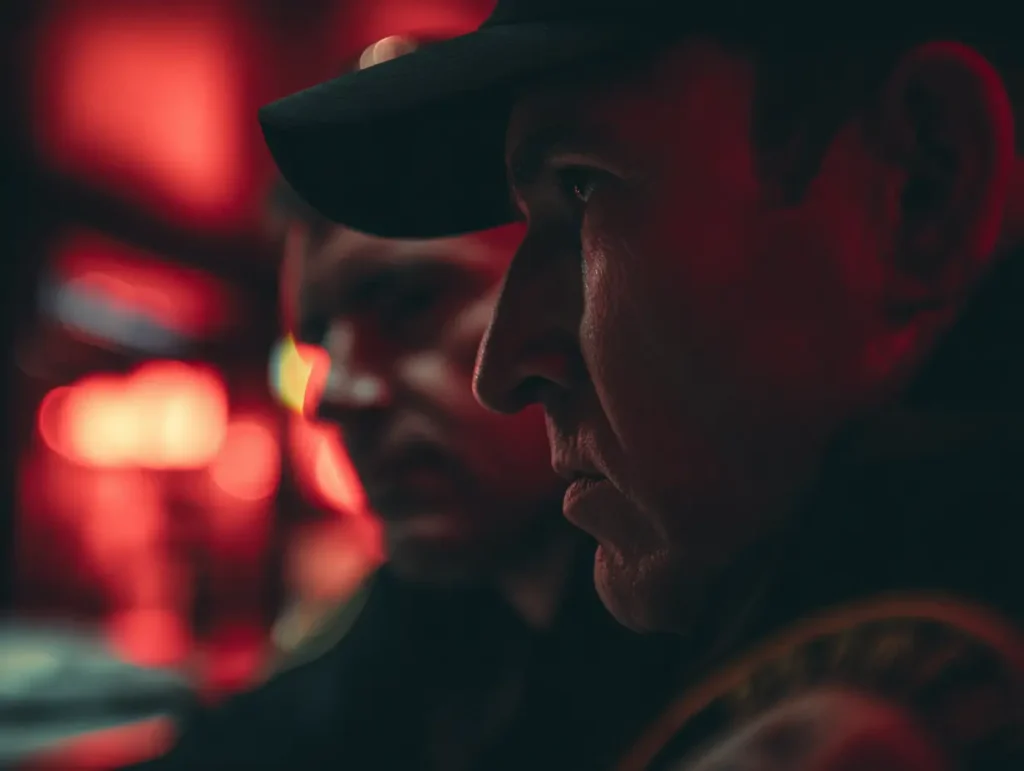
White powder. Clare stared at the sachet on the desk, her mouth dry. “That’s not mine,” she said immediately. “I’ve never seen that before.” No one argued with her. That was worse. One of the officers turned to the manager. “Can you show us the footage?”
The screen flickered on. Clare watched herself stand from the table, purse slung over her shoulder, heading toward the restroom. Seconds later, a server passed too close. Her bag tipped. Something small slid free and landed on the floor. The image froze there, the sachet stark against the dark tile. “That’s when we found it,” the manager said quietly.
“I didn’t put it there,” Clare said, her voice sharper now. “Someone must have—” The breath test came next. Then the field assessment. She tried to focus, to move the way she was asked, but her body felt delayed, like it was answering instructions a second too late.
Her legs wobbled. Her words tangled. She failed tests she didn’t even understand. The officers exchanged another look. To Clare, it felt unreal — like watching herself lose an argument she hadn’t known she was having.
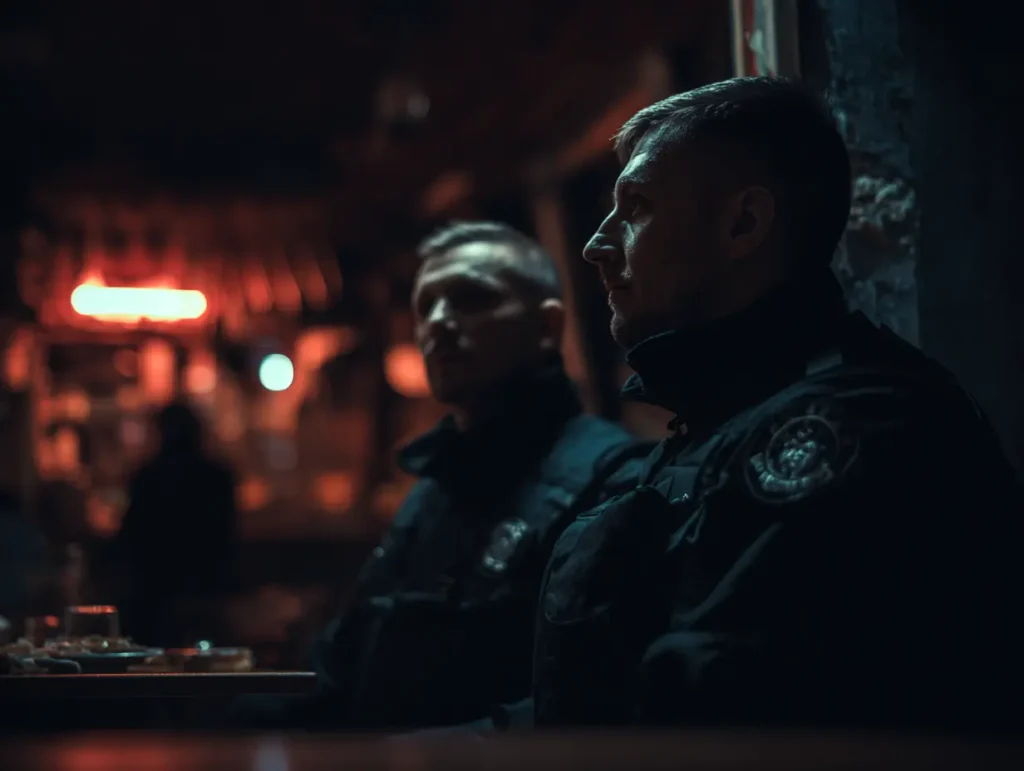
She was placed in the back of a patrol car while the manager stood on the sidewalk, pale and shaken, hands clasped in front of him like someone waiting for judgment. At the station, Clare was allowed one phone call. She called Daniel. He answered on the third ring. “Daniel,” she said, and hated how unsteady her voice sounded.
“They arrested me,” Clare said. Her voice sounded thin even to her own ears. “They said I had drugs in my bag. I didn’t. I swear I didn’t.” “What?” Daniel said sharply. The word came out fast. Too fast. “Arrested? Clare, what do you mean arrested?” “At the restaurant,” she said. “They found something in my purse. I don’t know how it got there.”
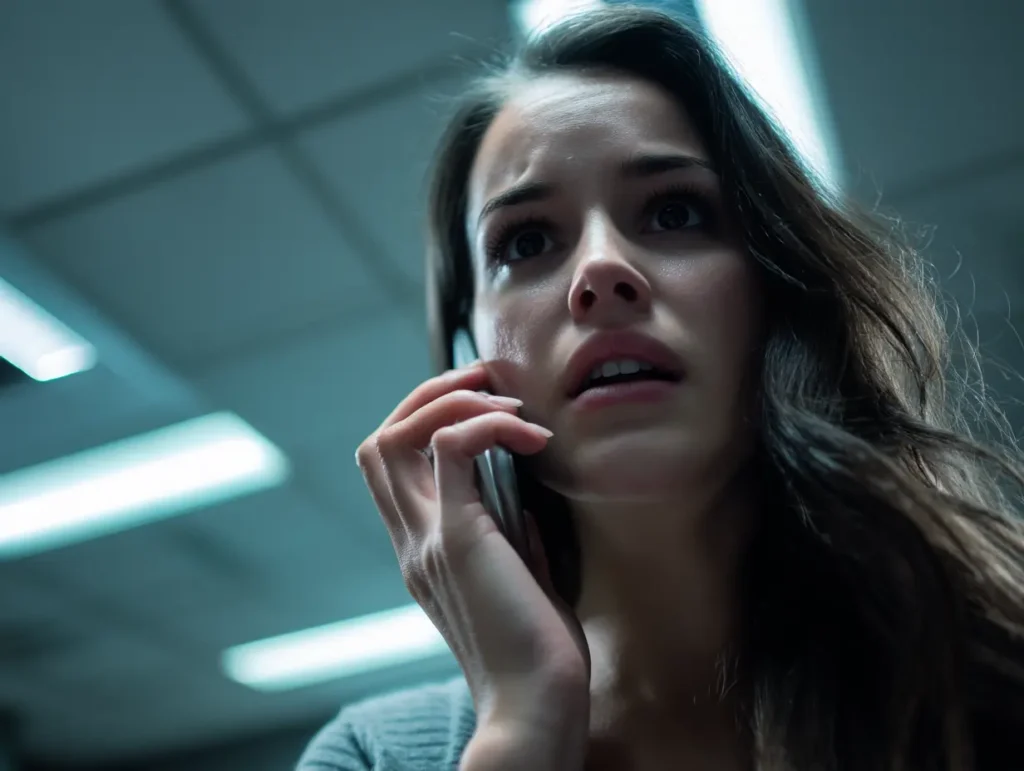
“Jesus—” He broke off, breath audible now. “Are you hurt? Are you alone? Did they—did they say what it was?” “A sachet,” she said. “White powder. They think I was carrying it.” “That’s insane,” he said immediately. “That doesn’t make any sense.” His voice climbed, then stopped short, like he caught himself.
“Okay. Okay. Listen to me. I’m coming. Just—just stay where you are.” She swallowed. “Daniel, I didn’t—” “I know,” he said quickly. Too quickly. Then, softer, recalibrated. “I’m not saying you did this on purpose. I’m just trying to understand how this happened.” There was a brief silence. When he spoke again, his tone had changed—slower now, measured.

“You’ve been dizzy lately,” he said. “You told me yourself things haven’t felt right. You’ve been forgetful.” “That doesn’t mean—” Clare stopped, losing the thread. “I’m supposed to start tomorrow. I can’t miss work. I can’t—” “Hey,” Daniel said gently. “Slow down.” A pause. Then, firmer: “You’re not thinking clearly right now.” Her fingers curled around the phone. “I am.”
“Clare,” he said, the warmth thinning just enough to notice. “Panicking isn’t going to help. Let’s get through tonight first. I’ll handle the police. We’ll deal with the rest in the morning.” Handle. The word landed heavy in her chest. The call ended before she could say anything else.
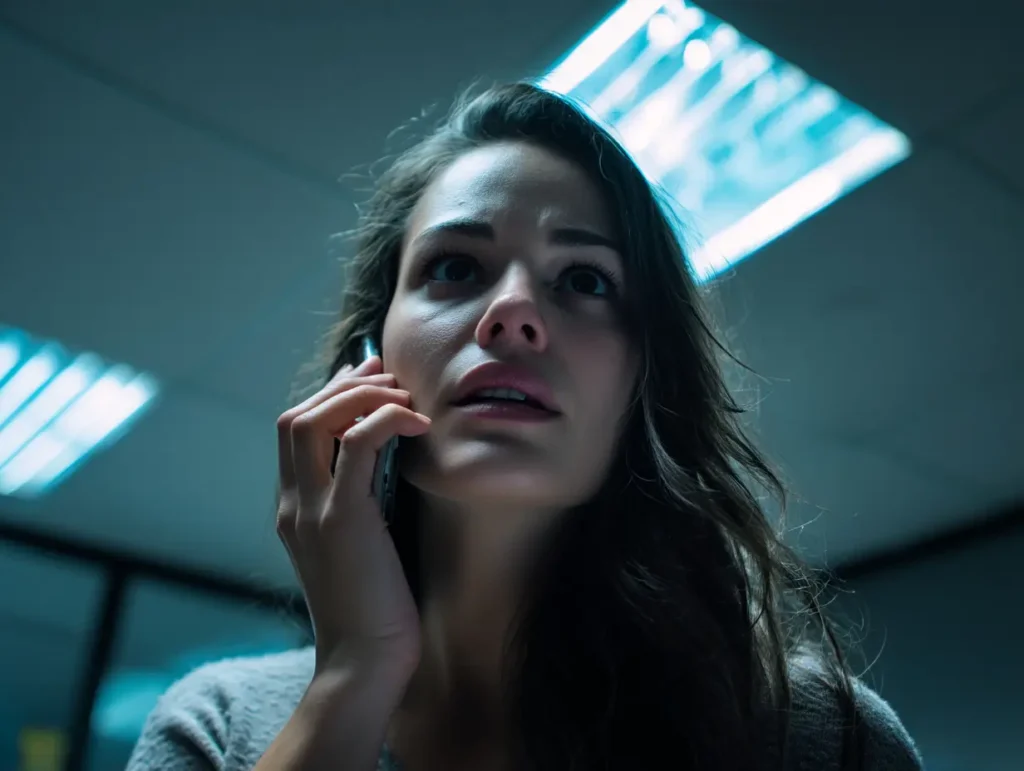
Clare told them again that the drugs weren’t hers. She said it slowly at first, choosing her words carefully, the way you do when you know being too emotional will only make things worse. She explained that she had never used anything illegal.
That she took prescribed medication, yes, but nothing else. That someone must have put it there. The officers exchanged a look she recognized immediately. Not disbelief. Worse. The look people give when they think you’re explaining something to yourself.
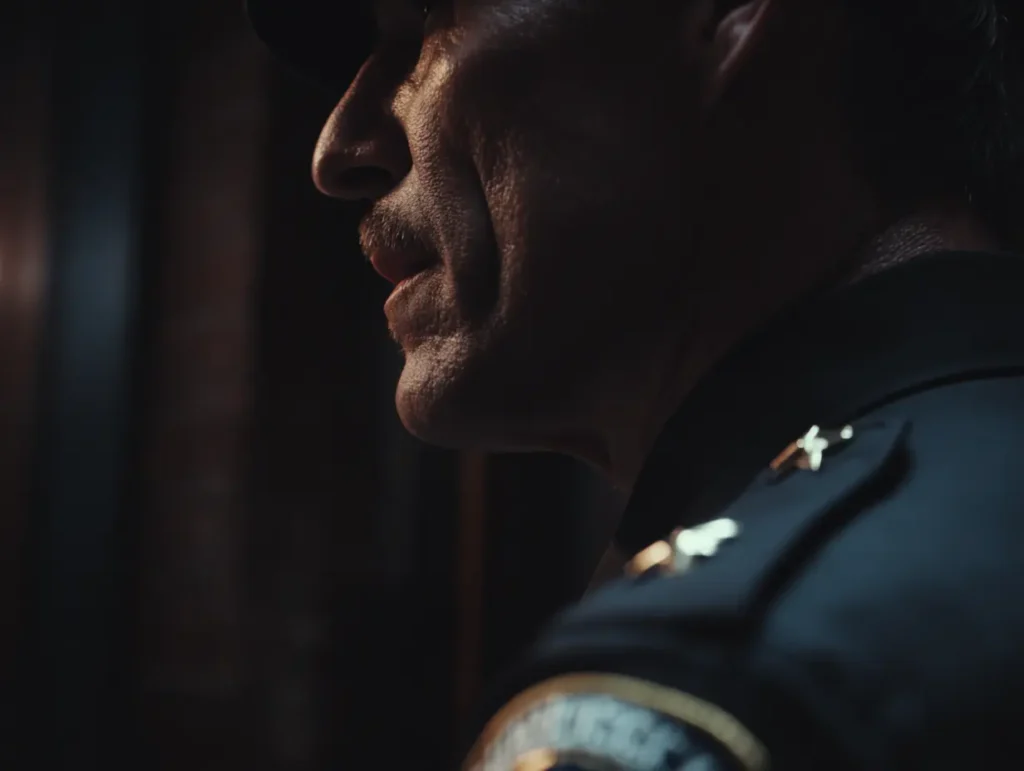
“Ma’am,” one of them said, measured and tired, “the packet was found on the floor beside your bag. Multiple staff saw it. You were visibly impaired. We’re not saying you’re a criminal. We’re saying this is how it looks.” “That’s not how evidence works,” Clare snapped, sharper now. “You don’t look guilty. You are or you aren’t.”
The other officer leaned back in his chair. “Which is why we’ll be pulling security footage from the restaurant. If you want to contest the charge, it’ll go before a judge. Until then, this is possession. And intoxication.” Her mouth went dry. “So you’re saying I have to prove I didn’t do something,” she said, incredulous, “because someone else did?”

The officer didn’t answer that directly. “The footage will be reviewed,” he said instead. “If it supports your claim, it’ll help you. If it doesn’t, the citation stands.” By the time Daniel arrived, she was exhausted. He wrapped an arm around her shoulders immediately, murmuring reassurances that sounded right to everyone else in the room.
He paid the bail without hesitation. The number made Clare’s stomach drop. The fine was worse. Outside, under the harsh glow of streetlights, her head throbbed and her thoughts felt slow, like they were moving through water. Daniel was already talking. “We’ll handle it,” he said briskly. “Lawyers. Statements. We don’t need to make this bigger than it is.”

“I didn’t do anything,” Clare said, exhaustion bleeding into her voice now. “I didn’t take anything. Someone put it there.” Daniel exhaled slowly. Not a sigh of frustration—one of concern, carefully measured. “Clare,” he said, “are you absolutely sure?” She stopped walking. “Sure of what?” “That you didn’t take something,” he said. “Even by accident. Even earlier.
With everything you’ve had going on lately.” He lowered his voice, as if protecting her from herself. “You don’t have to explain it to me. You can tell me anything.” Her chest tightened. “You think I don’t know what I put in my own body?” “I’m just saying,” he replied gently, “memory can be unreliable when someone’s under stress.” Silence stretched between them.

“I didn’t,” she said finally. Another pause. Then, softer still: “Okay. Then what matters right now is how this looks.” The words landed wrong. “How this looks?” Clare repeated. The toxicology report came back the next day. Positive. The substance detected matched the packet found in her purse exactly. Same compound. Same classification.
Enough in her system to confirm ingestion within the window the police had already documented. Clare read the report twice. Then a third time. “That’s not possible,” she said aloud.

She forwarded it to the officer listed on her citation — the one who had processed her arrest — attaching a short message she rewrote three times before sending: I did not ever knowingly take this. Her hands were still shaking when the reply came. It wasn’t disbelief. Or concern. It was procedure.
If she denied knowingly ingesting the substance, the officer explained, the case could not be closed as a simple possession charge. It would escalate. The source of the drug would have to be determined. How it entered her system. Whether it had been administered without consent. That meant an investigation.

Security footage. Witness statements. Interviews. Subpoenas. The restaurant would be formally pulled in. Her home could be inspected. Everyone present that night could be questioned. Until then, the charge stood.
Daniel suggested she take time off. “Just until this settles,” he said gently. “Let me step in for now. You’ve been under so much stress.” Her father, worried but reassured by Daniel’s composure, thanked him for being supportive.

Said it meant a lot to know Clare had someone steady beside her. Clare watched it happen like she was slightly misaligned with her own life. Daniel handled meetings. Took calls. Answered emails. People nodded. Trusted him. And every time Clare tried to circle back to the only thing that mattered—I didn’t take it—the conversation slid away from her words.
“It’s straightforward,” Daniel said one evening, firmer now. “You accept the citation. Pay the fine. It ends there.” “And if I don’t?” she asked. He exhaled slowly. Controlled. “Then it turns into something else. An inquiry. People start asking how it got into your system if you’re claiming you didn’t take it.” She stared at him. “Because I didn’t.”

“I believe you,” he said quickly. Too quickly. “But belief isn’t the same as proof. And proof invites questions.” He reached across the table, covering her hand with his. Familiar. Grounding. “You don’t want them tearing through your life,” he continued. “Your medical records. Your work. The house. Especially not now.”
“Why not now?” Clare asked. Daniel hesitated—just long enough to register. “I’ve been talking to potential investors,” he said carefully. “This kind of investigation doesn’t look good. Even if you’re cleared. Especially if you’re cleared after denying ingestion.” Her stomach tightened. “They don’t like uncertainty,” he went on. “They don’t like instability.”

The word sat between them. “So what are you saying?” she asked. “I’m saying this ends cleanly if you let it,” Daniel replied. “You say you took it. You didn’t realize what it was. It was a mistake. No hearings. No footage. No one else gets dragged into it.” Dragged. Clare pulled her hand back. “You want me to lie,” she said.
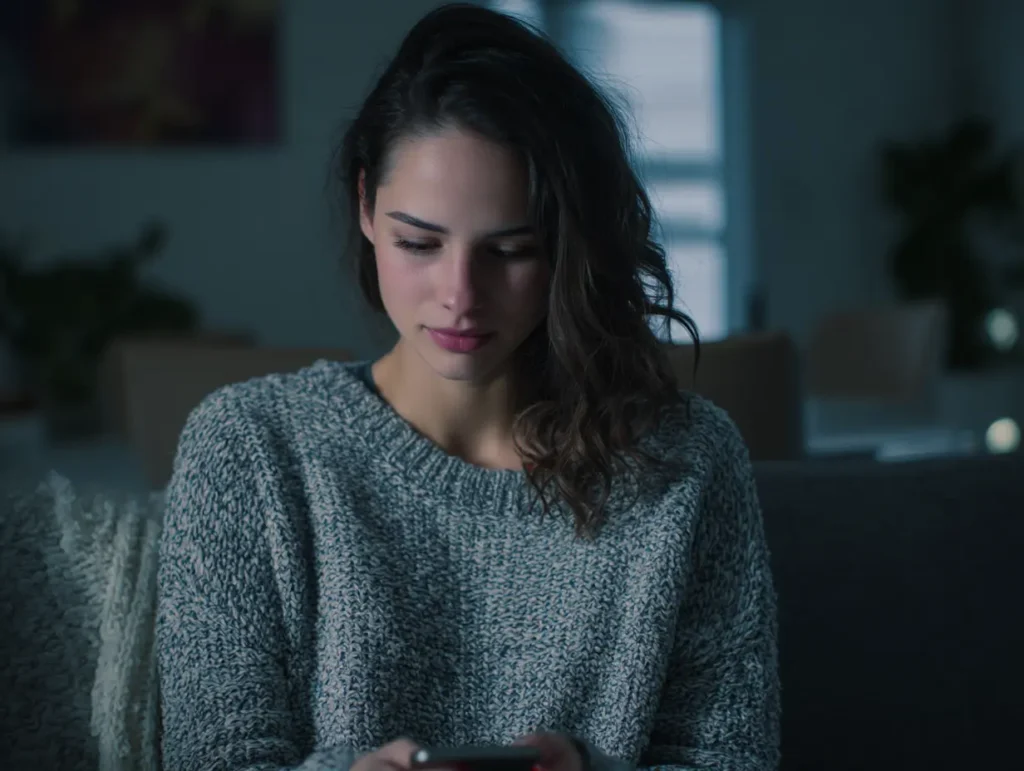
“I want you to protect yourself,” he corrected. “And us.” He stood, grabbing his jacket. “Think about it. I have meetings all day.” The door closed behind him. Clare sat alone at the table. The house felt unusually quiet. She picked up her phone. Scrolled. Stopped. Scrolled again. Maybe she was wrong. The report said the drug was in her system.

The packet was in her purse. Everyone else seemed so certain. Her thumb hovered over the precinct number. She lowered the phone. She would call. She would tell them she wanted to resolve it. She would say whatever she needed to say to make it stop. The phone rang before she could decide. An unfamiliar number.
“Mrs. Whitman,” a man said carefully. “This is Samuel. The restaurant manager.” Her heart jumped. “I debated calling,” he continued. “But I didn’t want you making any decisions before seeing something.” “Seeing what?” Clare asked. There was a pause—not uncertain, but deliberate. “I reviewed the security footage again,” Samuel said.
“And there’s something you need to see. Something that happens before anything falls.” Clare closed her eyes. “I think there’s more to what happened that night,” he added quietly. “And I don’t think it started with you.” The fog in her head shifted—not gone, but disturbed. “When?” she asked. “Whenever you can,” Samuel said. “But I wouldn’t wait.”
The line went dead. Clare stood alone in the kitchen, phone still pressed to her ear. Daniel had told her to let it go. And she had almost listened. The restaurant was closed when Clare returned. No music. No soft lighting. Just the low hum of emergency lights and the muted echo of footsteps on polished floors.

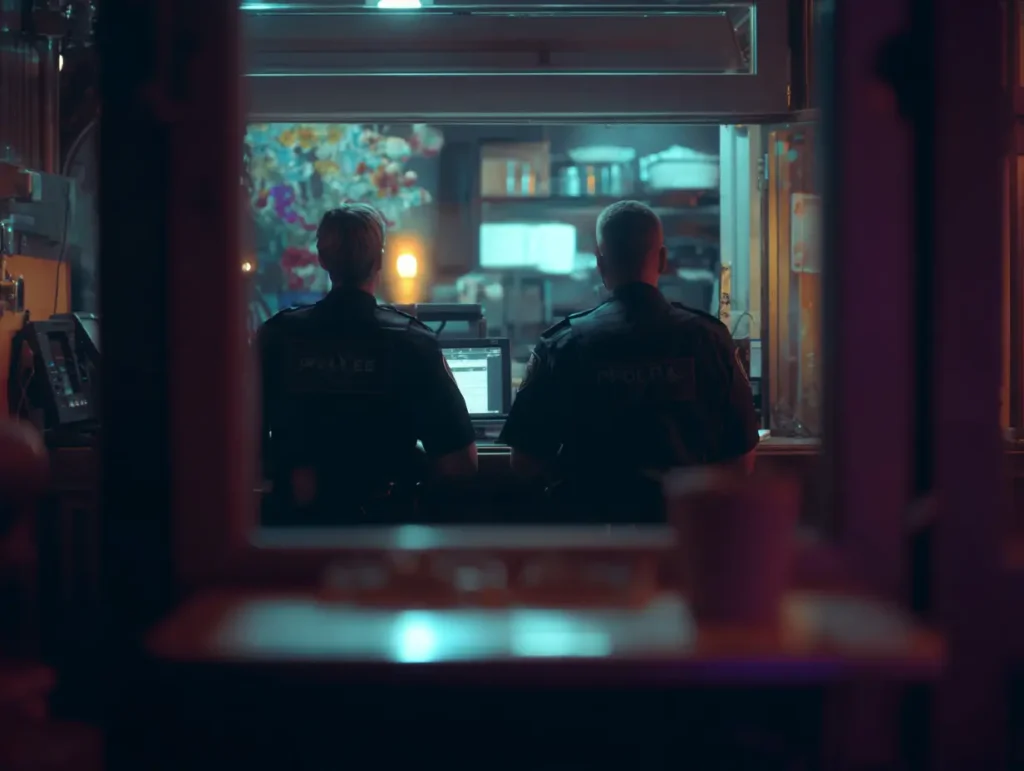
Samuel met her at the door, his expression serious but relieved when he saw her. “You came,” he said. She nodded, suddenly unsure how steady her legs really were. Two uniformed officers were already inside. One she recognized—the same woman who had processed her the night of the arrest.
The other stood near the security monitors, arms folded, watching Clare with something that looked like reassessment. “We wanted you here for this,” the officer said. Not unkindly. They gathered in the small office. The same chair. The same screens. This time, the door stayed open. Samuel cued the footage.
“This is when you leave for the restroom,” he said. The timestamp blinked to life. Clare watched herself stand. Adjust her bag. Smile at Daniel. Everything looked ordinary. Too ordinary. The footage rolled forward a few seconds. And then—something shifted.
Daniel’s posture changed first. Not abruptly. Just… alert. His gaze lifted, scanning the room—not casually, but deliberately. Eleanor leaned back slightly, eyes tracking the ceiling corner where the camera was mounted. Brooke stood, moving closer to Clare’s chair, her body angling just enough to block the lens.
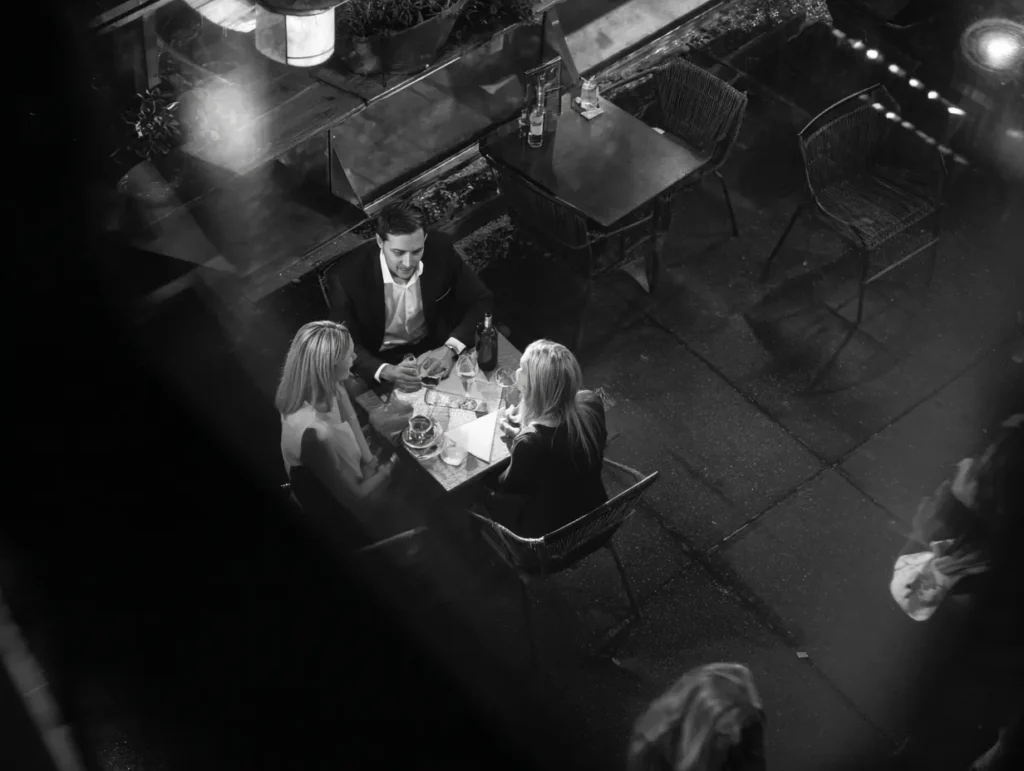
Samuel paused the video. They weren’t reacting to an accident. They were reacting to the room. “That,” Samuel said quietly, “is not how people behave when nothing is happening.” The officer stepped closer to the screen. “Run it again.” This time Clare saw it too. The coordination. The way Eleanor stood for no reason at all.
The way Brooke’s hand hovered near Clare’s bag without touching it. The way Daniel nodded once—small, almost imperceptible. Then Clare’s chair bumped the table slightly as a server passed. The bag tipped. A small sachet slid out onto the floor. No one at the table reacted. No surprise. No confusion. No glances downward.
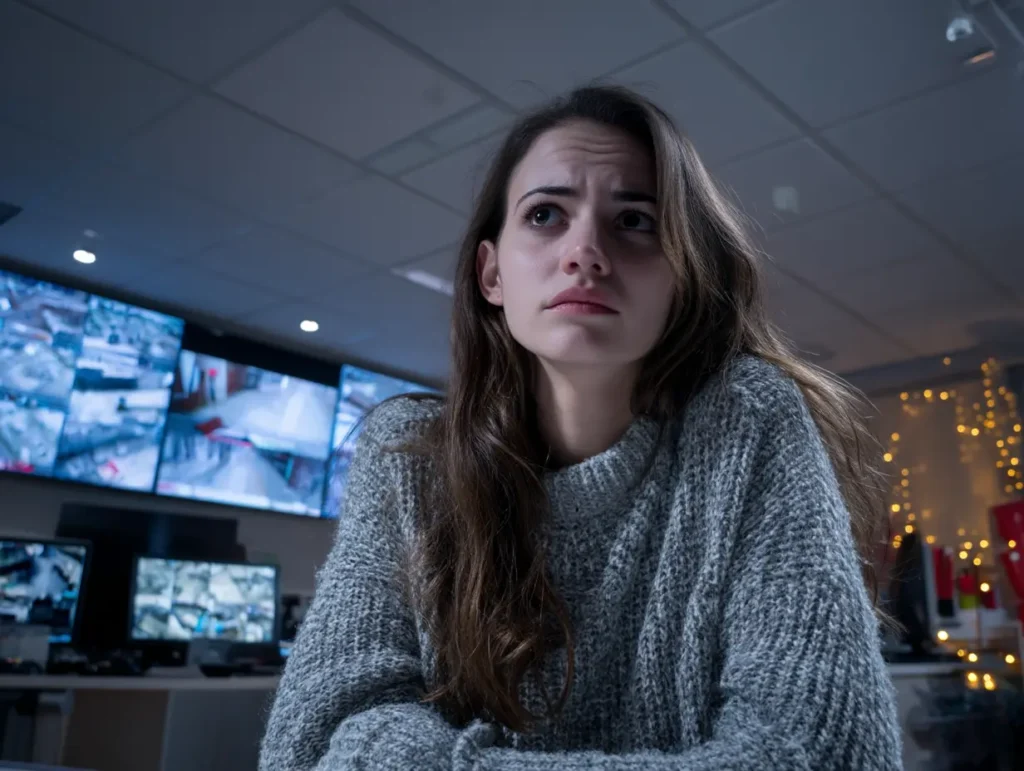
Another server bent, picked it up, frowned—and walked it straight to the manager. The room was silent when the footage stopped. Clare pressed a hand to her mouth. “I didn’t put that there,” she said, her voice breaking. “I didn’t—I swear—” The officer turned to her fully now. “We know.” Something inside Clare gave way.
She sank into the chair, the composure she’d been holding onto for days finally collapsing. She cried—not quietly, not politely—but with the kind of sobs that come when your body realizes it’s no longer alone in its truth. “I thought I was losing my mind,” she said between breaths. “Everyone kept telling me to let it go. That it would ruin everything if I didn’t.”
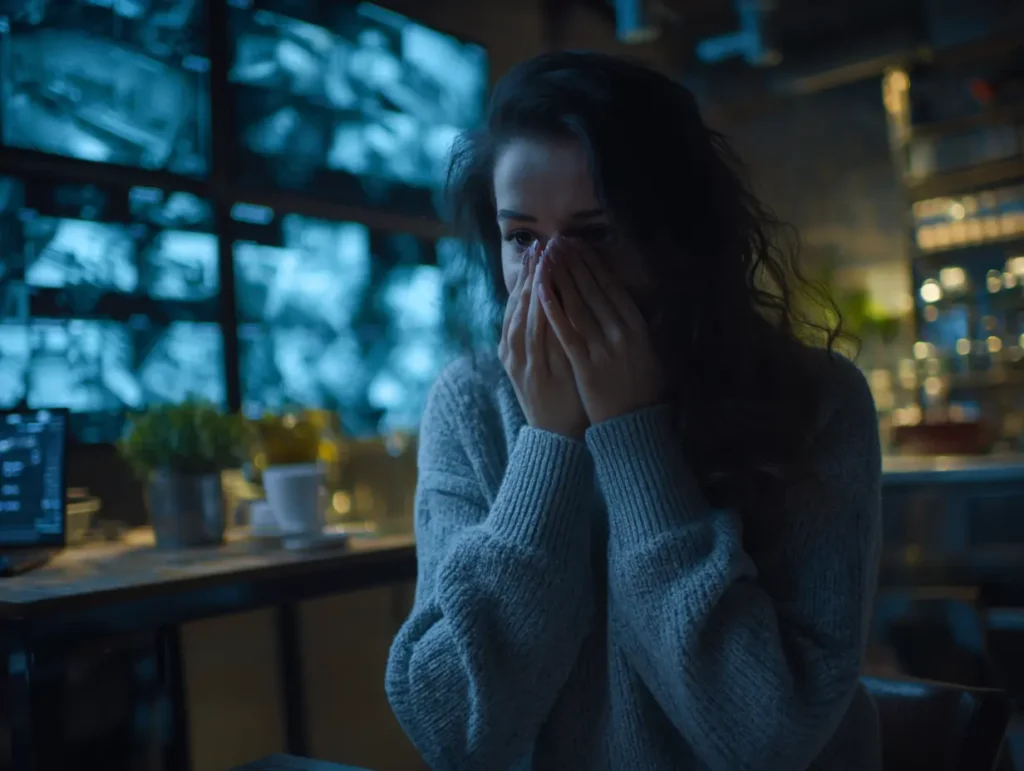
Samuel handed her a glass of water. The officer waited until Clare could breathe again. “We’re investigating this,” the officer said. “Fully.” The house search happened that same afternoon. Clare stood on the sidewalk while officers moved through the home she had once thought was safest. The K-9 unit arrived last. The dog didn’t hesitate.
It moved past Clare first, nose low, tail steady, ignoring the open doors and familiar paths as if it already knew where it was going. It crossed the hall, passed Daniel’s office without a glance, and stopped in front of the guest room. Brooke’s room. The handler barely had time to give the command before the dog alerted—sharp, unmistakable.
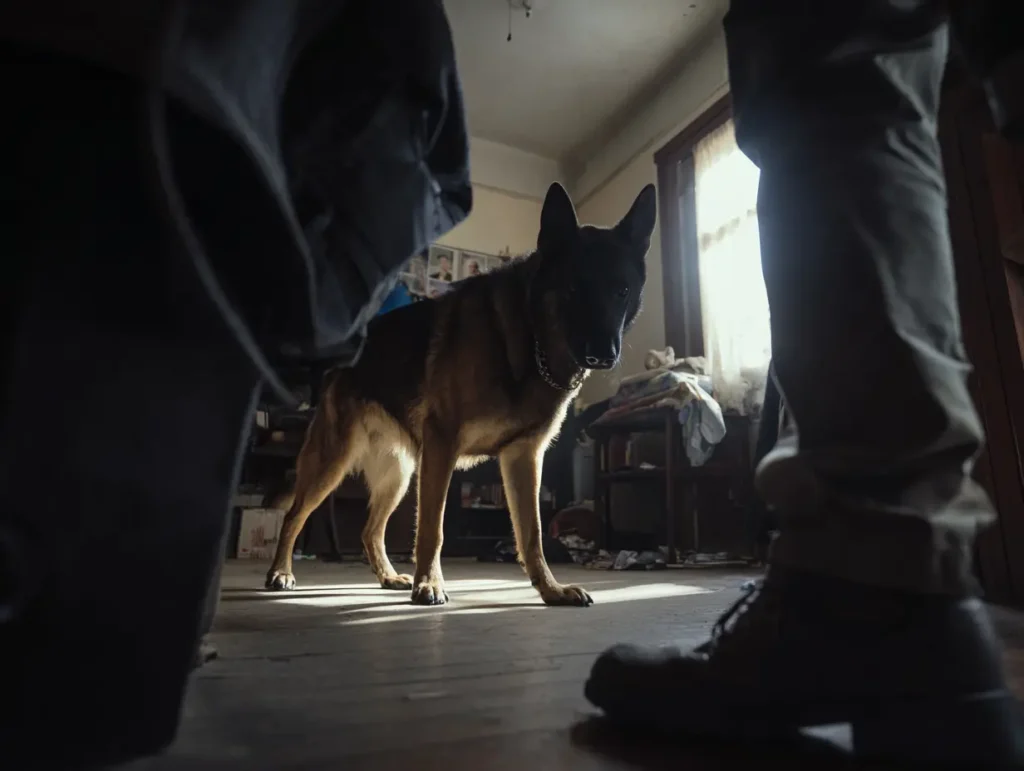
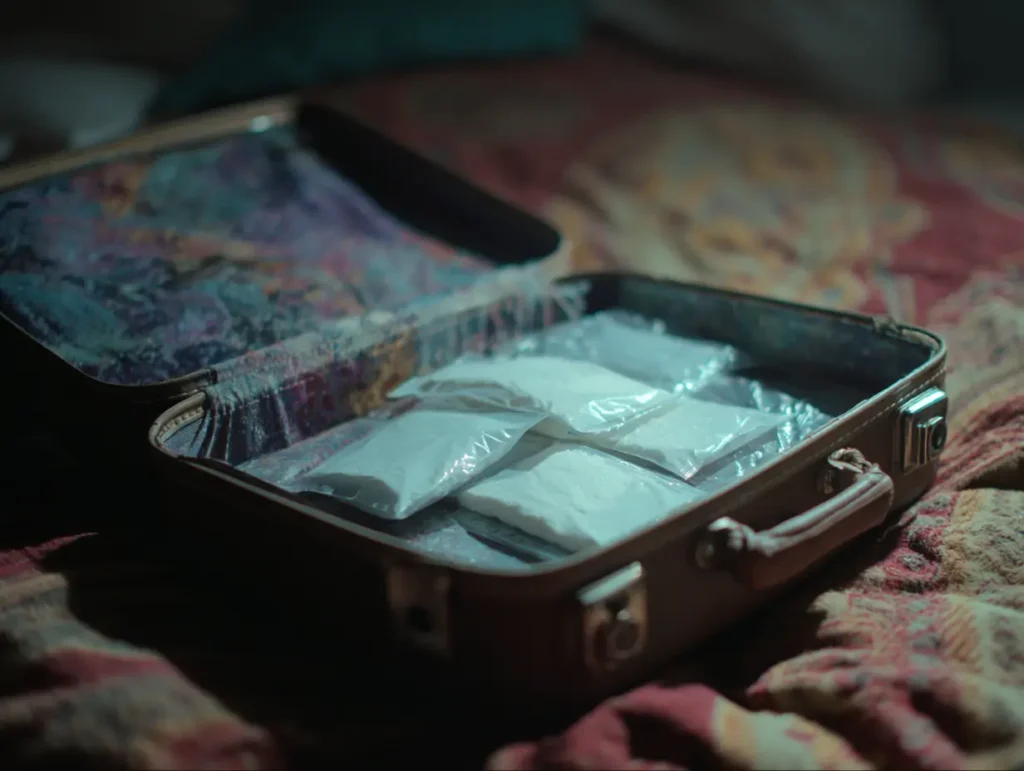
The room filled with motion. Drawers were pulled open. Shoes overturned. A suitcase dragged onto the bed. When an officer pressed along the lining, the fabric gave slightly. A false bottom came loose.
Inside were several identical sachets, neatly sealed, each one filled with the same fine white powder. More were found in a toiletry bag tucked behind the sink. Then someone called out from the hallway. The prescription bottle. Clare’s.
Brooke stood very still as the cuffs went on, her face carefully neutral, as if she were waiting for instructions that never came. She didn’t resist. Didn’t protest. In the back of the patrol car, she stared straight ahead, jaw tight, hands folded in her lap. For a long moment, she said nothing. Then her shoulders sagged, just slightly.
Clare sat across from Brooke, her voice barely above a whisper. “Why?” she asked. “Why do this to me?” Brooke stared at the table for a long moment before answering. “It wasn’t supposed to be dramatic,” she said. “It was meant to be slow. Subtle. Gradual enough that no one would question it.” “Question what?” Clare pressed. “That you were struggling,” Brooke said.

“That your body wasn’t keeping up. That you needed help. Supervision.” Her jaw tightened. “Once people start believing that, everything else follows.” She told them everything after that. How Daniel had overheard Clare’s call with her father weeks earlier.
How panic had set in the moment he realized what Clare was about to inherit. How he’d said he couldn’t disappear into her success, couldn’t stand by while she became everything and he remained invisible. Eleanor had called it protection. Brooke had called it dosage. Daniel was arrested that evening.

At first, he stayed composed—jaw set, posture straight, answering questions with careful restraint. It wasn’t until the door closed behind him that the mask slipped. His voice cracked. His hands trembled. He didn’t deny what he’d done. Not really.
“I just needed time,” he said, the words coming faster now, less controlled. “I needed things to slow down.” His jaw tightened, eyes flicking away before forcing themselves back to her. “You were pulling ahead. Everyone saw it. Your work. Your father. The way people listened to you.”
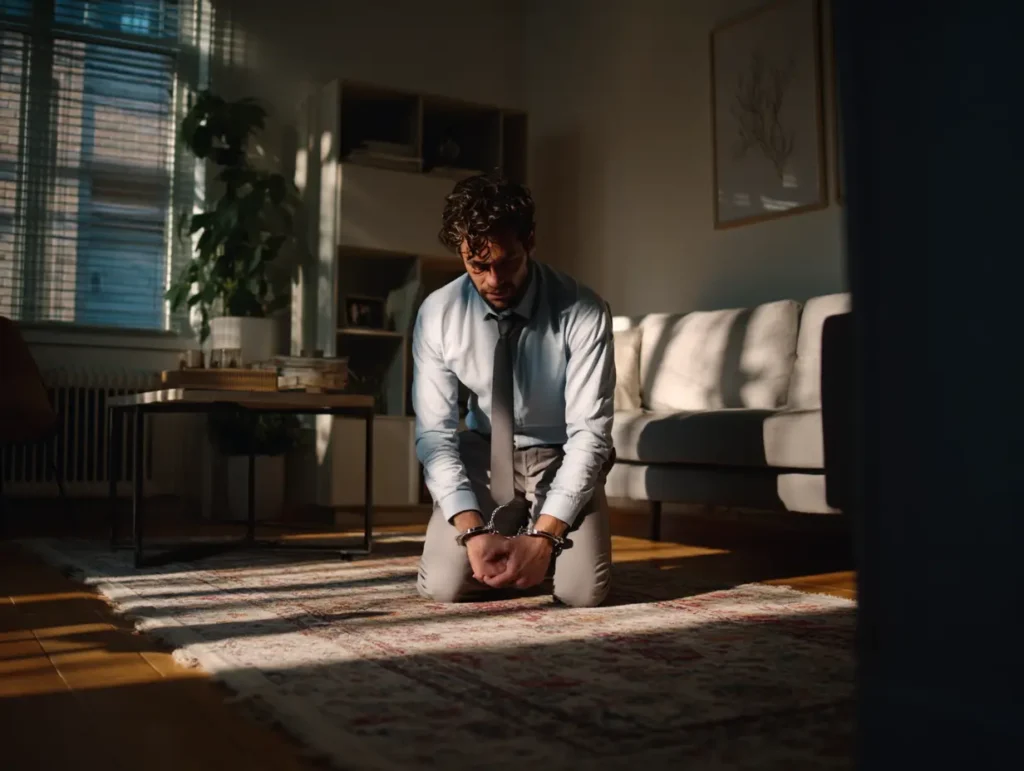
He swallowed. “I was becoming the husband who stood beside you while you ran the house. The business. The future. I couldn’t—” His voice broke, sharp with something like anger. “I couldn’t be invisible in my own life.”
He leaned forward, hands shaking. “I just wanted to be the one holding things together. The one people trusted. The one who made the decisions.” His eyes found hers again, pleading now. “You were supposed to be safe. Taken care of. I never meant to hurt you. I just needed you to need me.”
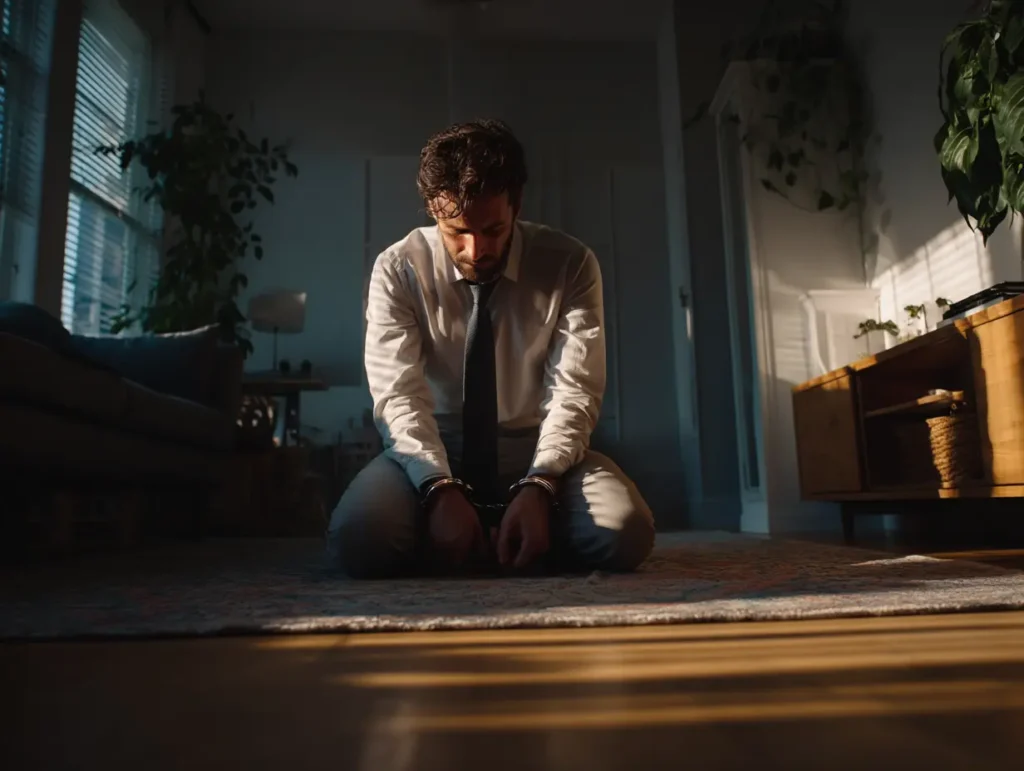
“Stop,” Clare said quietly. That was all. The case never reached trial. The evidence was too complete. The pleas came quickly. Daniel went to prison. Eleanor followed. The house emptied itself of their presence as if it had been waiting to exhale. Months later, Clare stood alone in her father’s office, sunlight spilling across the desk that had once seemed too large for her.
Now it fit. She felt steady. Clear. Fully herself. There were days she still felt the echo of it all—the disbelief, the isolation—but it no longer owned her. It no longer shaped her choices. She didn’t feel triumphant. She felt finished. The life ahead of her wasn’t a reward. It was simply hers. And no one would ever try to take it from her again.