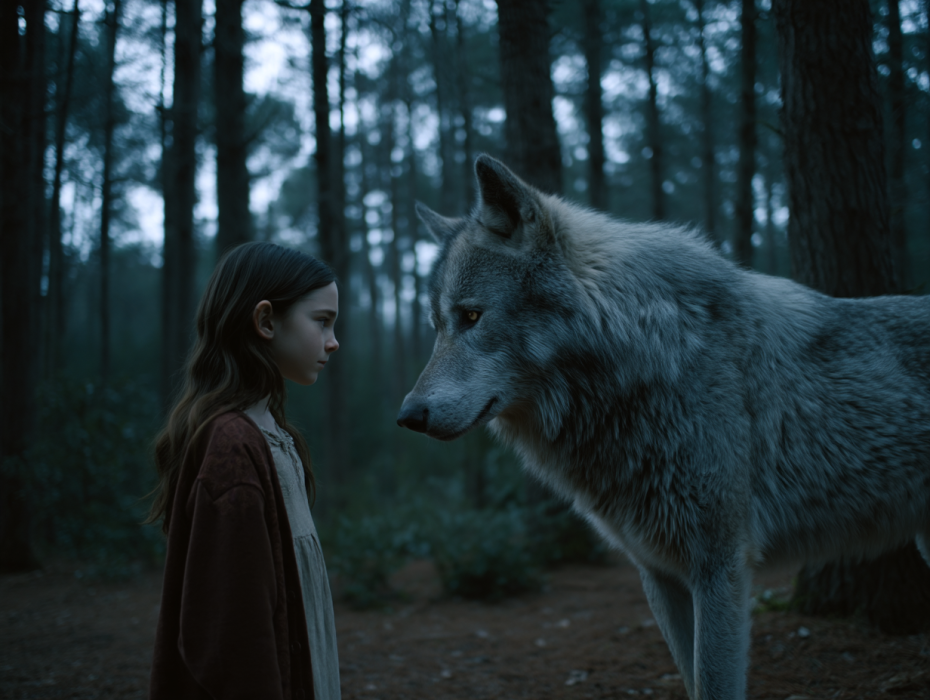
Vanessa noticed the silence first. It was the kind that pressed too hard, the kind that usually sent Betty retreating indoors. When she looked toward the forest behind the house, her stomach tightened. Betty was walking past the fence line, farther than she had ever gone before.
Vanessa followed at a careful distance, afraid to call out too loudly. Betty’s world depended on order—on predictable sounds, fixed routines, and quiet spaces. Vanessa had spent years building those systems to keep her regulated. One sudden break could undo weeks of progress.
The forest had always been a boundary. Betty observed it from safety, never entering. That was why this felt wrong. Too calm. Too deliberate. As Betty stopped near the trees and tilted her head, listening, Vanessa saw a shape moving…
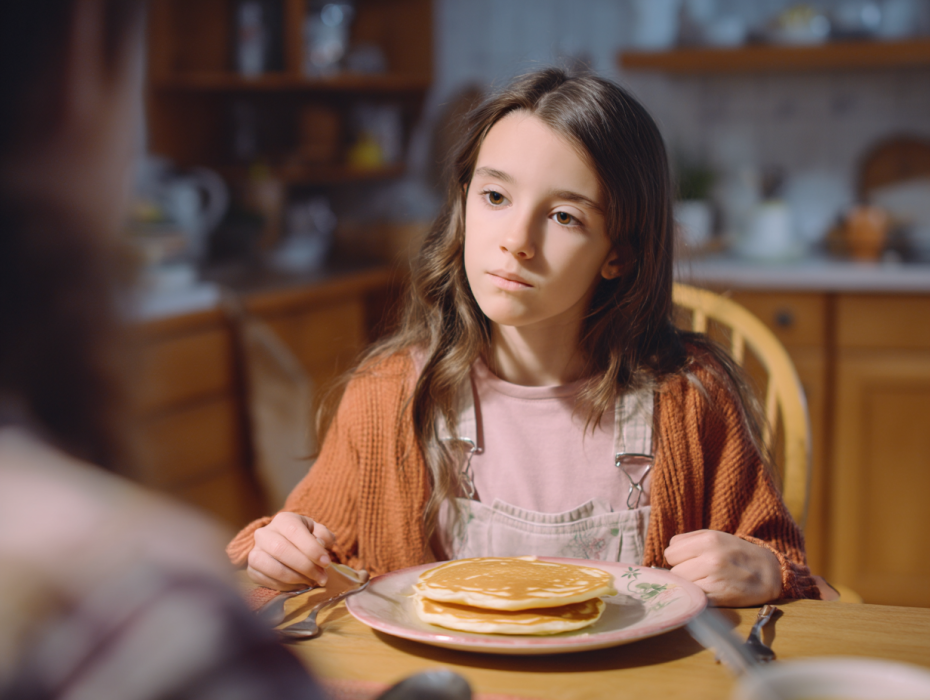
Earlier that day, they had followed every established rule. Breakfast came at the usual time. Betty lined up her spoon, cup, and napkin before eating. Vanessa checked the schedule taped to the fridge and felt relieved when nothing disrupted it. Ordinary days were victories they never celebrated out loud.
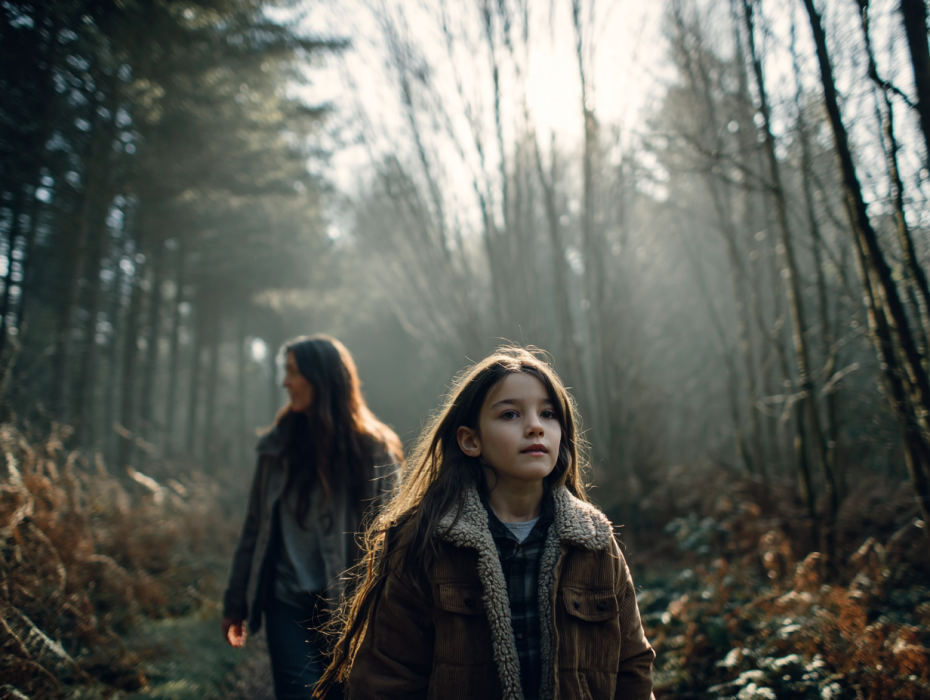
Later that day, Betty asked—softly, carefully—to go outside. They walked the familiar path behind the house, stopping where they always did. Betty traced the fence with her fingers, counting posts under her breath, staying well within the edges of what felt safe.
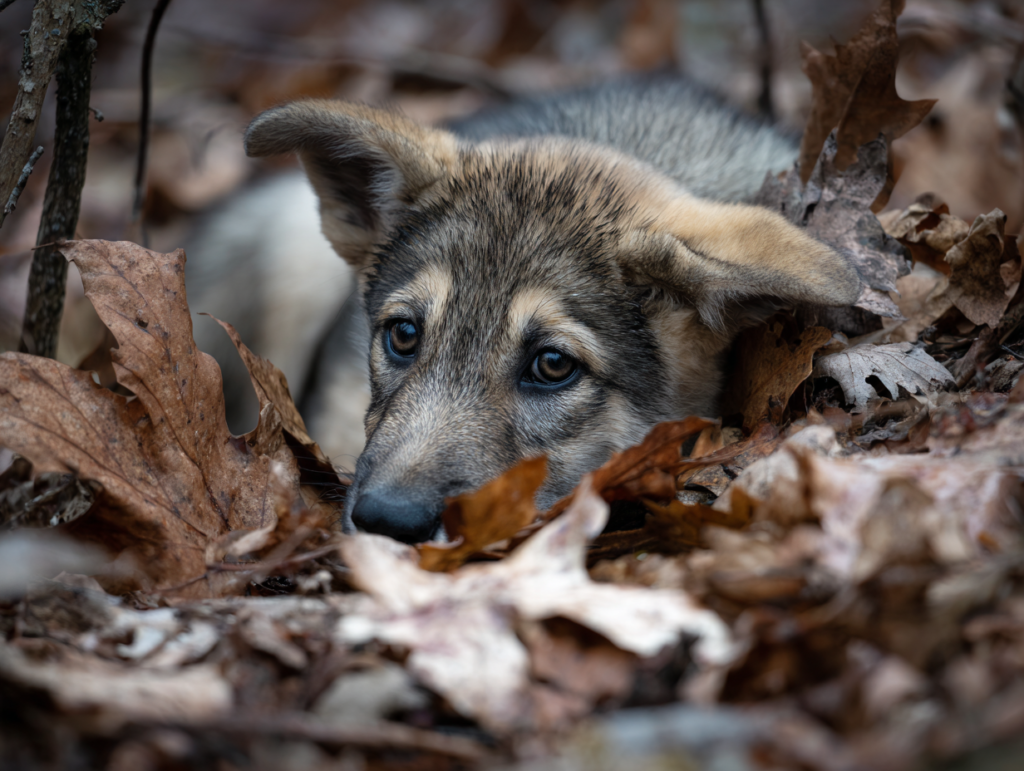
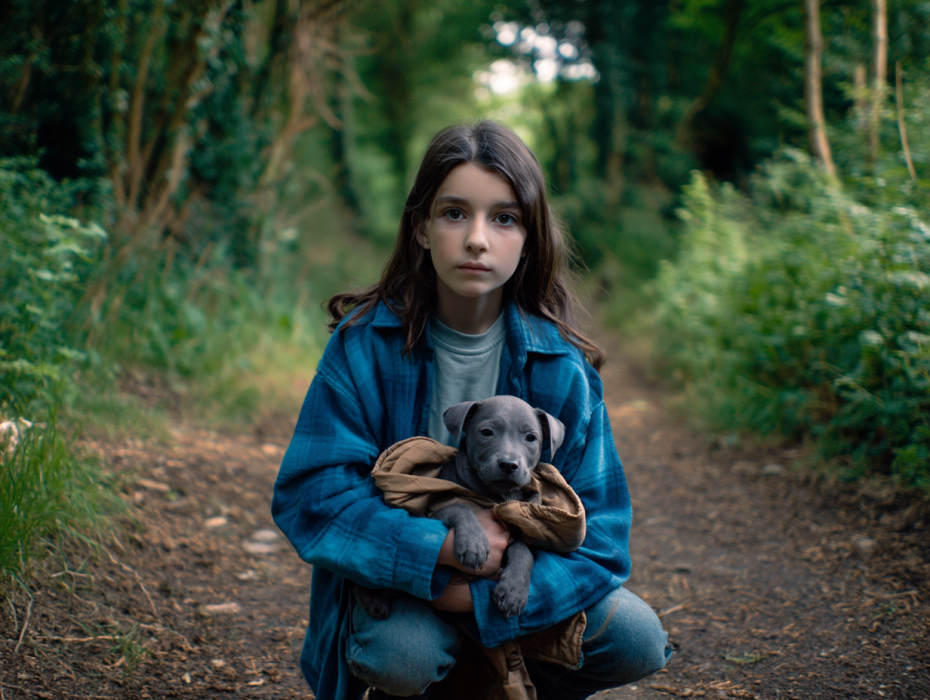
Then Betty paused. The counting stopped. She turned her head toward the trees and listened. Vanessa followed her gaze and saw movement near the roots—something small, folded in on itself. When Betty knelt, Vanessa understood this was no break in routine at all, but the beginning of something new.
It was a tiny, shivering pup. Betty did not reach for it immediately. She sat beside him instead, folding her legs the way she always did when the ground felt uncertain. Vanessa held her breath, expecting the animal to flinch or scramble away.
The pup did neither. He stayed where he was, watching Betty. His breathing slowed to match hers. He did not whimper or bare his teeth. He simply remained still, as if he understood that stillness was the safest response.
After a long moment, Betty slipped off her jacket. She moved carefully, deliberately, and laid it over the pup’s thin body. Her hands shook once, then steadied. The pup did not resist. He settled into the warmth as if he recognized it.
When Betty lifted him, Vanessa stepped forward instinctively, ready to stop her. But Betty held the pup with unexpected certainty. She adjusted her grip once and began walking back toward the house without looking behind her.
Vanessa followed, unease growing with every step. The pup was too thin. Too quiet. His ribs pressed visibly against his skin. She wondered how long he had been abandoned and whether bringing him home was a mistake she would soon regret.
Inside the house, Betty placed the pup on the floor and looked up at her mother. “Scooby,” she said. She offered no other explanation. Vanessa did not ask for one. It was the first time in her life that she had shown such affection for a living being.
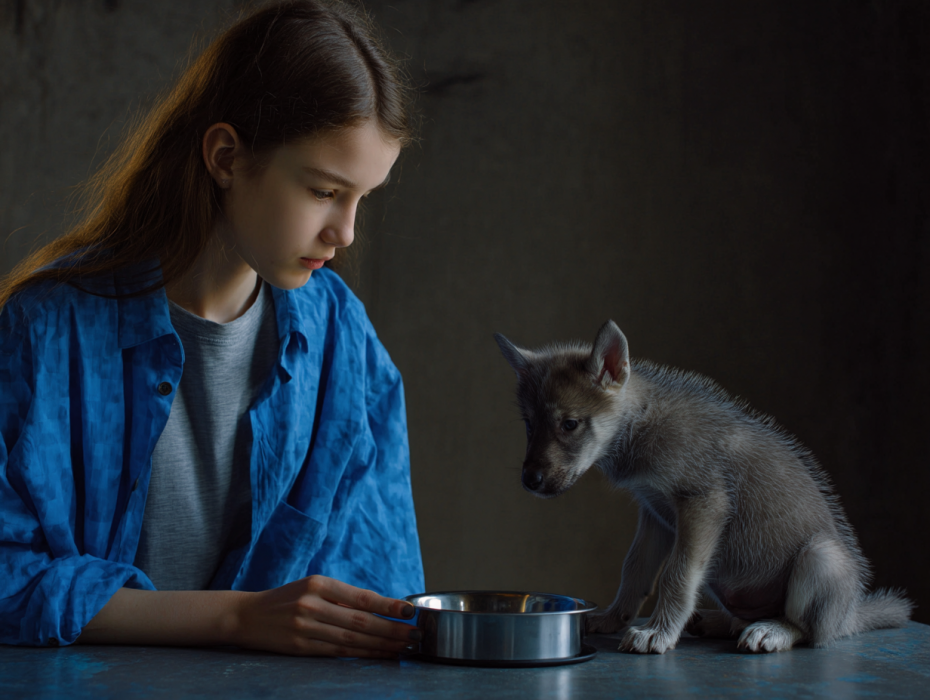
Scooby refused food until Betty sat nearby. When Vanessa tried feeding him alone, he turned his head away. Only when Betty settled beside him did he eat, slowly and carefully, as if checking that she remained there.
He followed Betty’s movements without being told. He rose when she rose, stopped when she stopped. He did not respond to commands or gestures from anyone else. Vanessa noticed he watched Betty constantly, tracking her with quiet focus.
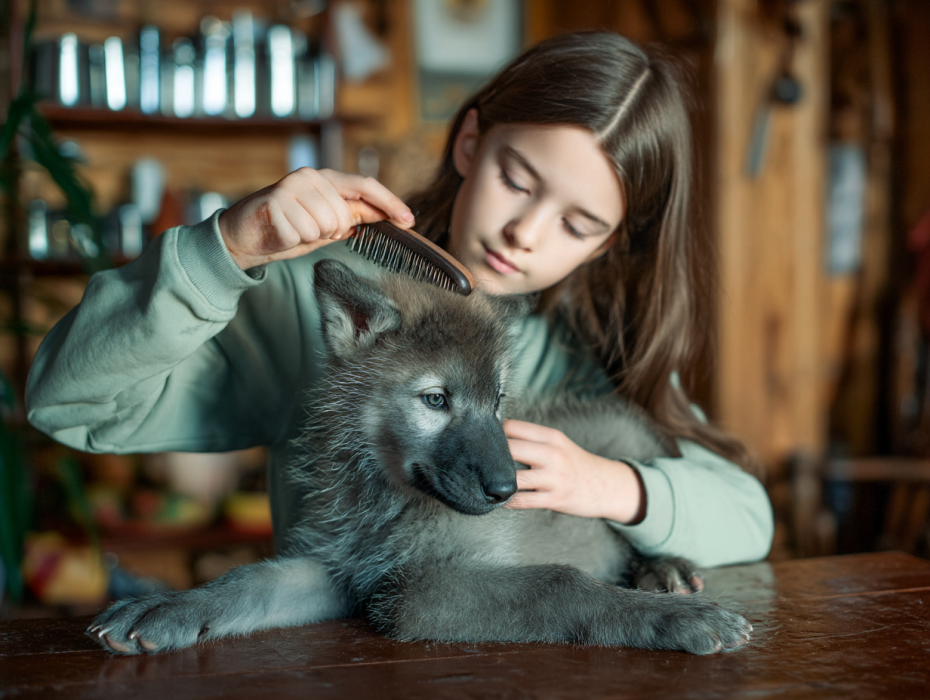
Betty created rituals around him. Food came at the same time each day. Brushing followed feeding. Sitting followed brushing. Scooby adapted to every routine without resistance, fitting himself into the structure as if he had always belonged there.
Scooby never barked. Not at sudden sounds. Not at strangers passing the house. Even as a puppy, he remained silent, communicating only through posture and presence. The quiet unsettled Vanessa more than noise ever could have.
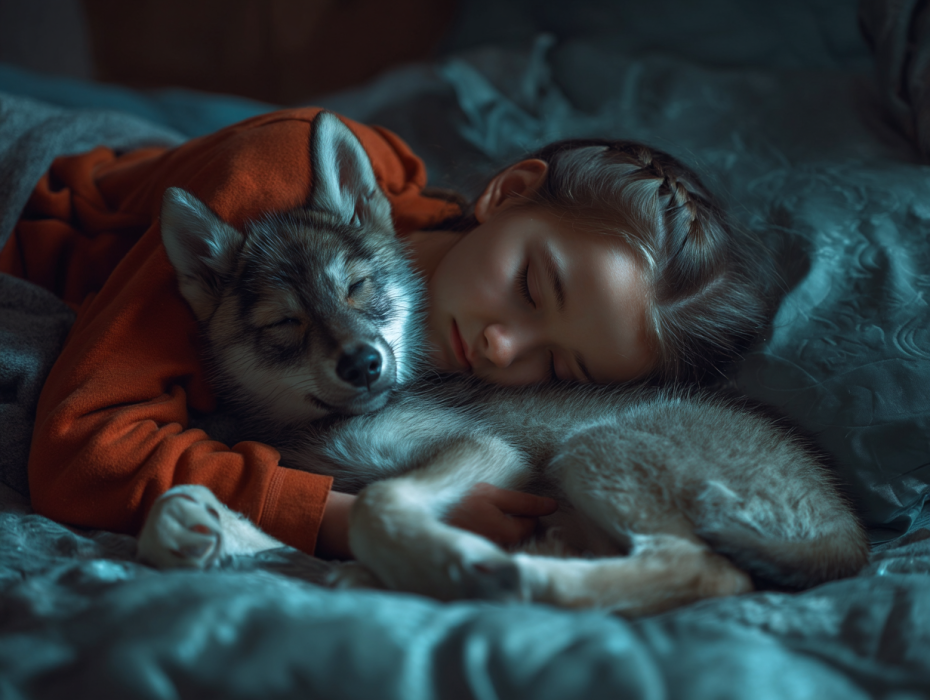
Within days, Vanessa noticed changes in Betty. She recovered faster from overstimulation. Her breathing steadied sooner. She reached for Vanessa’s hand more often after stressful moments, as if something inside her had softened.
At night, the meltdowns became shorter. Some nights, they did not come at all. Betty slept with Scooby curled nearby, her body relaxed in a way Vanessa had rarely seen. For the first time, Vanessa allowed herself a fragile sense of hope.
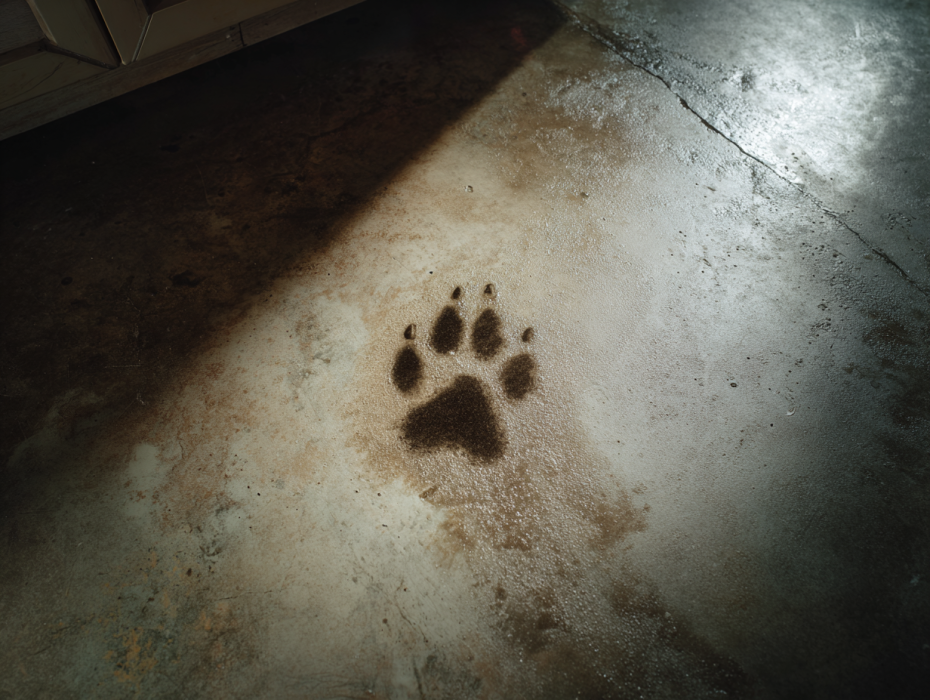
Scooby’s paws were the first thing Vanessa noticed. They grew too fast, spreading wide and heavy against the floor. Each morning, they looked larger than the night before, as if his body had skipped steps Vanessa could not see.
Within days, his shoulders widened. His frame thickened in ways that felt wrong for a pup his age. Vanessa measured him once, then stopped, unsettled by how quickly the numbers multiplied.
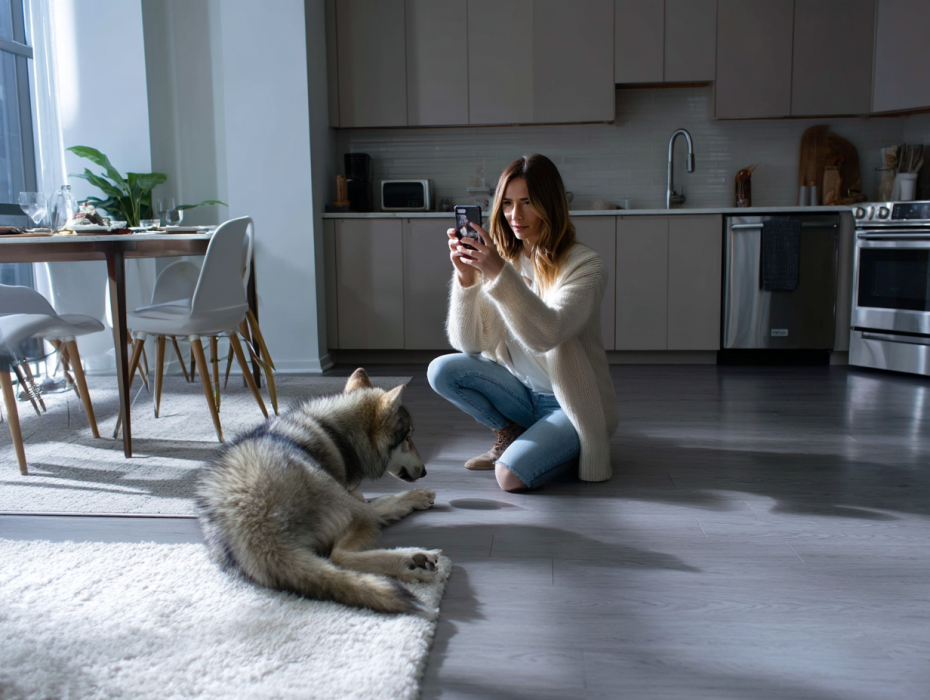
She began taking photographs at the end of each week. Then every few days. Soon, she took them daily, lining them up on her phone, hoping she had remembered his size wrongly from the day before.
Size charts stopped making sense. Growth curves flattened where Scooby continued rising. Vanessa checked different breeds, different ages, and different conditions. None of them matched what she was seeing in her living room.

A couple of vets offered careful guesses. Maybe a rare mix. Maybe a hormonal issue. Maybe something they had not documented yet. None of them sounded convinced, and none offered a timeline for when the growth might stop.
Scooby’s behavior did not change. He remained gentle and deliberate, moving with careful awareness of his body. He never knocked things over or startled Betty, as if he adjusted himself before Vanessa even realized it was necessary.
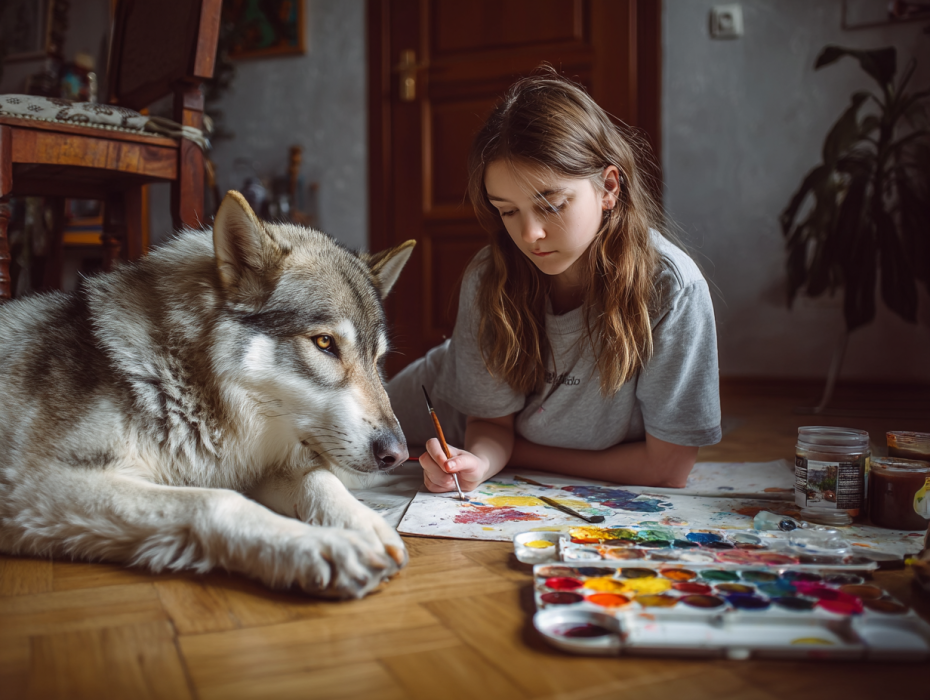
Betty adapted without effort. She leaned against Scooby’s growing side. She rested her hand on his widening shoulders. To her, his size seemed less important than his presence, which stayed constant and calm.
By the end of the month, Scooby was larger than any dog Vanessa had known. Larger than the dogs she had grown up with. Larger than the dogs she had seen at parks, shelters, or farms.
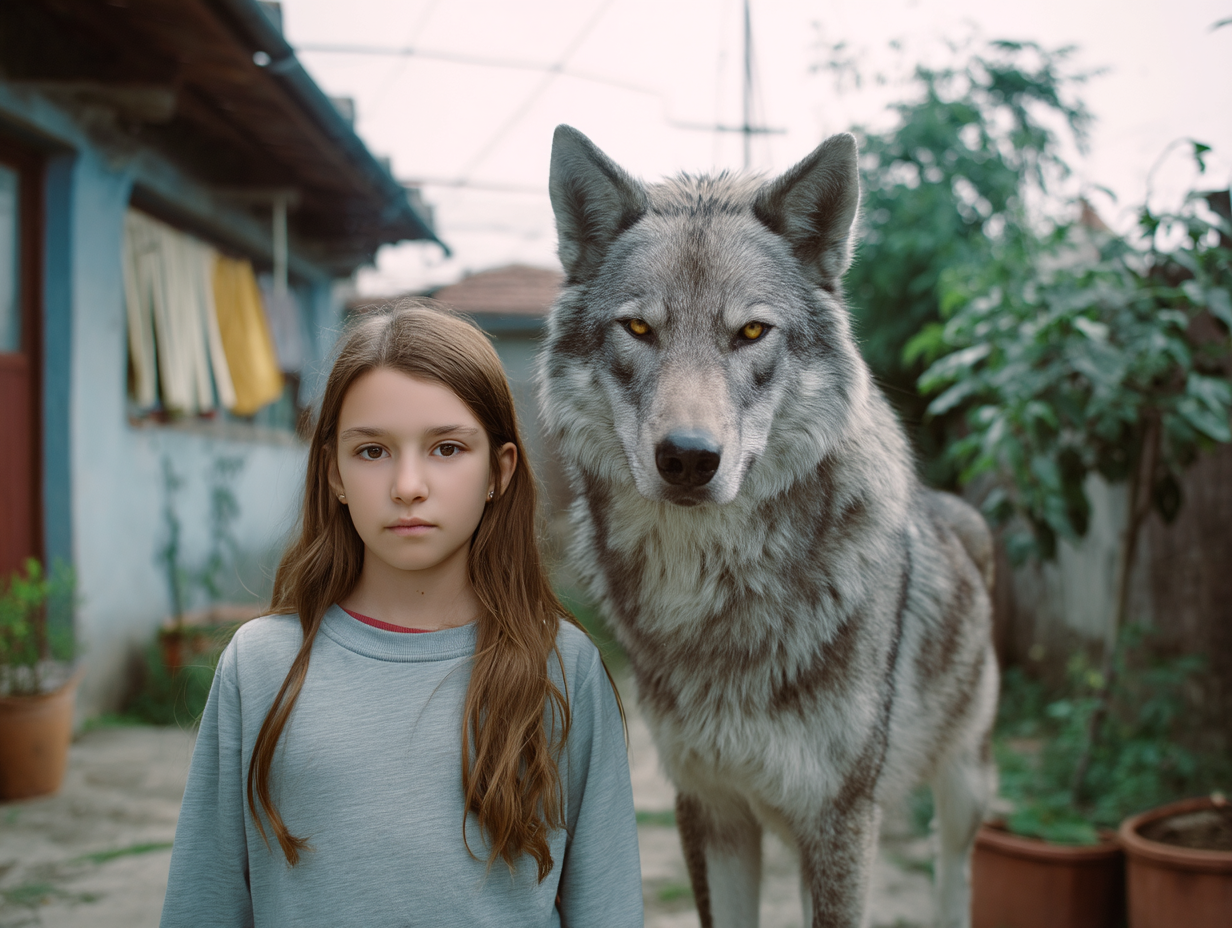
Vanessa searched online late into the night. Forums contradicted each other. Articles led in circles. Photos that looked close never quite matched Scooby’s proportions or posture.
Wildlife databases online only made things worse. Wolves topped out at sizes Scooby had already passed. Hybrid records did not explain his build or his rate of growth. Vanessa closed her laptop more than once, unsettled.

Scooby began positioning himself between Betty and noise. When a car backfired or a door slammed, he moved without urgency, placing his body where the sound had come from.
He never growled. Never barked. He simply watched, still and alert, until the disturbance passed. Only then did he return to Betty’s side, as if checking off a completed task.

Vanessa did not say her worries aloud. She kept them contained, folded carefully away like fragile things. But each night, as Scooby lay beside Betty, Vanessa watched his chest rise and fall and wondered what, exactly, she had brought home.
The first real threat appeared one evening near the fence line. A lean dog moved unsteadily along the edge of the property, its ribs showing, its gait uneven. Vanessa could not tell if it was sick, rabid, feral, or simply desperate.
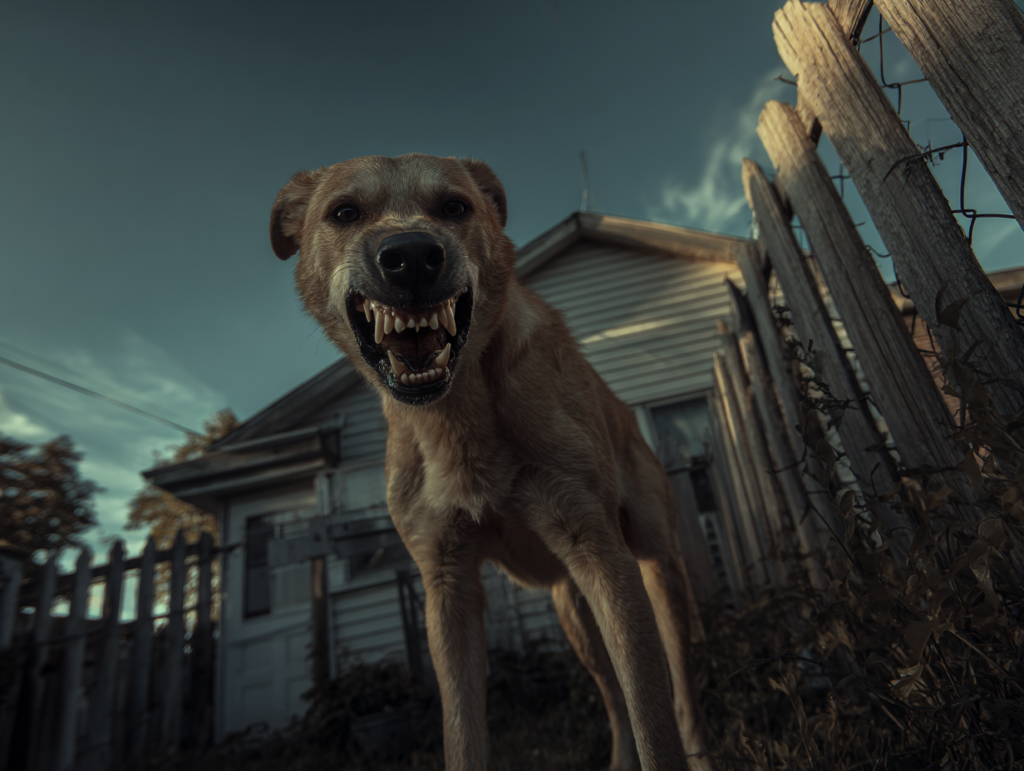
Betty stopped walking. She did not run back toward the house or call out. She froze where she stood, her hands curling inward, her breath shallow but controlled. A scream seemed to be stuck at her lips.
Scooby stepped forward without sound. He placed himself between Betty and the fence, his body rising higher as he straightened, his posture calm but unmistakable.
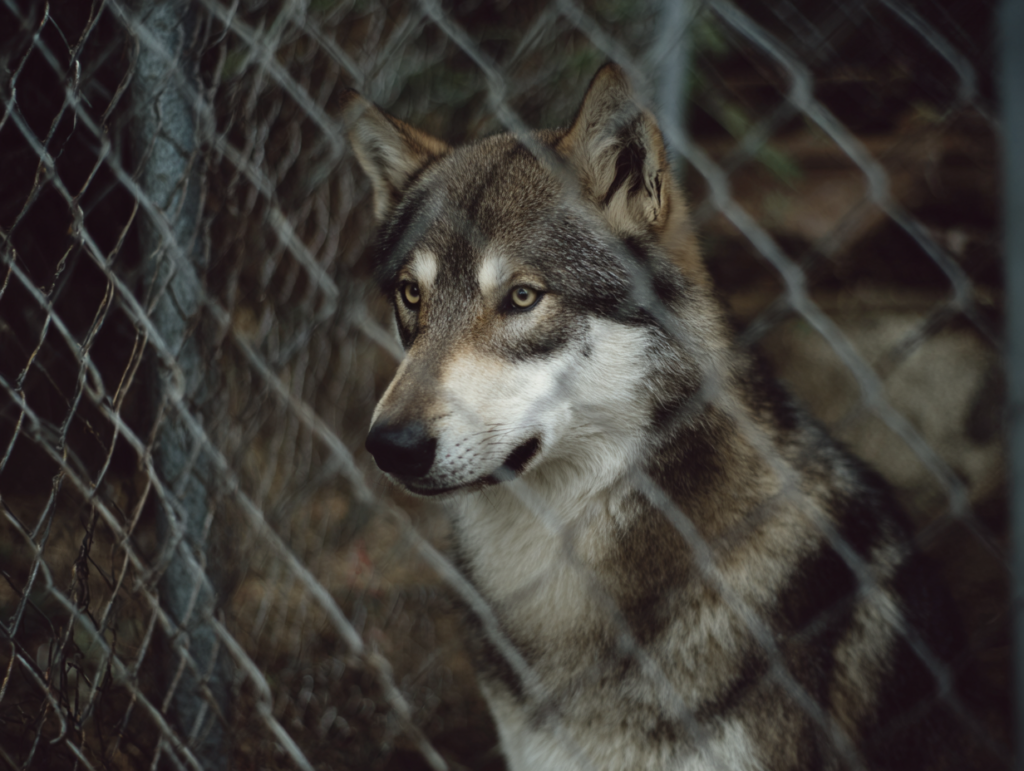
The other dog hesitated. Then it backed away, startled by Scooby’s size alone. It turned and slunk down the road, disappearing without a bark or challenge.
Scooby did not follow. He did not chase or snap. He remained where he was until the space felt safe again, then stepped back toward Betty and lowered himself to her level.
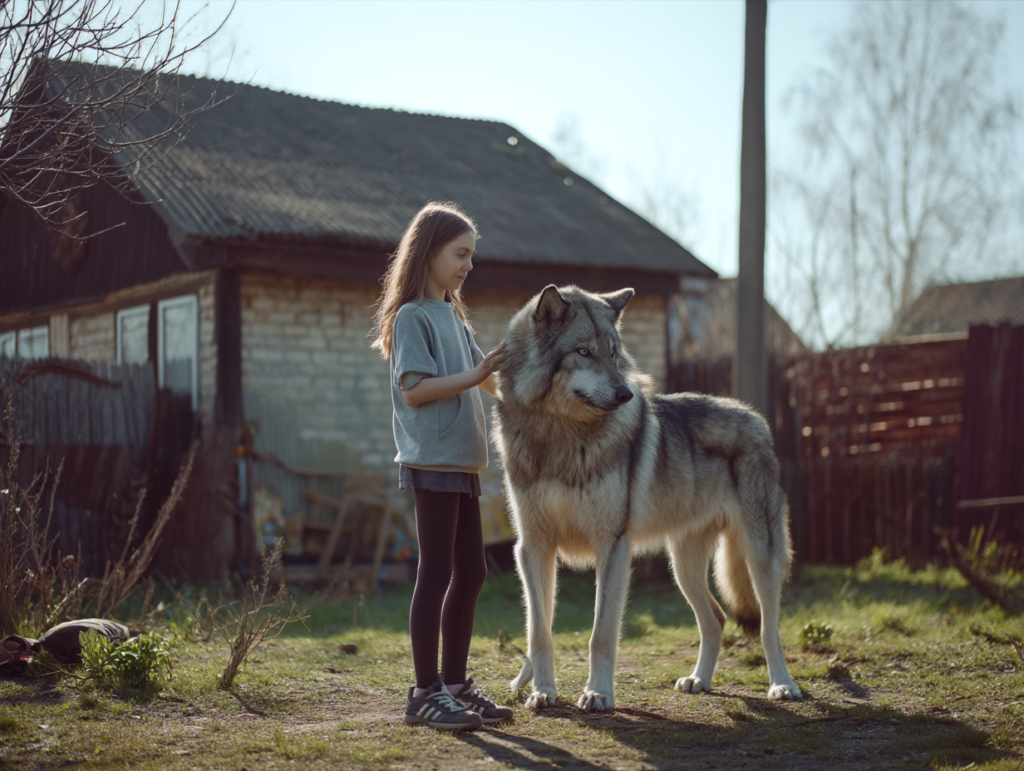
Only later did Vanessa feel her hands shaking. Scooby had neither acted like a pet nor a wild animal. He had acted with judgment, almost like a human being might. That realization stayed with her.
That night, Vanessa considered calling someone. A shelter. A specialist. Someone who could decide what she could not. Safety had always come first, and Scooby’s size made that question unavoidable.
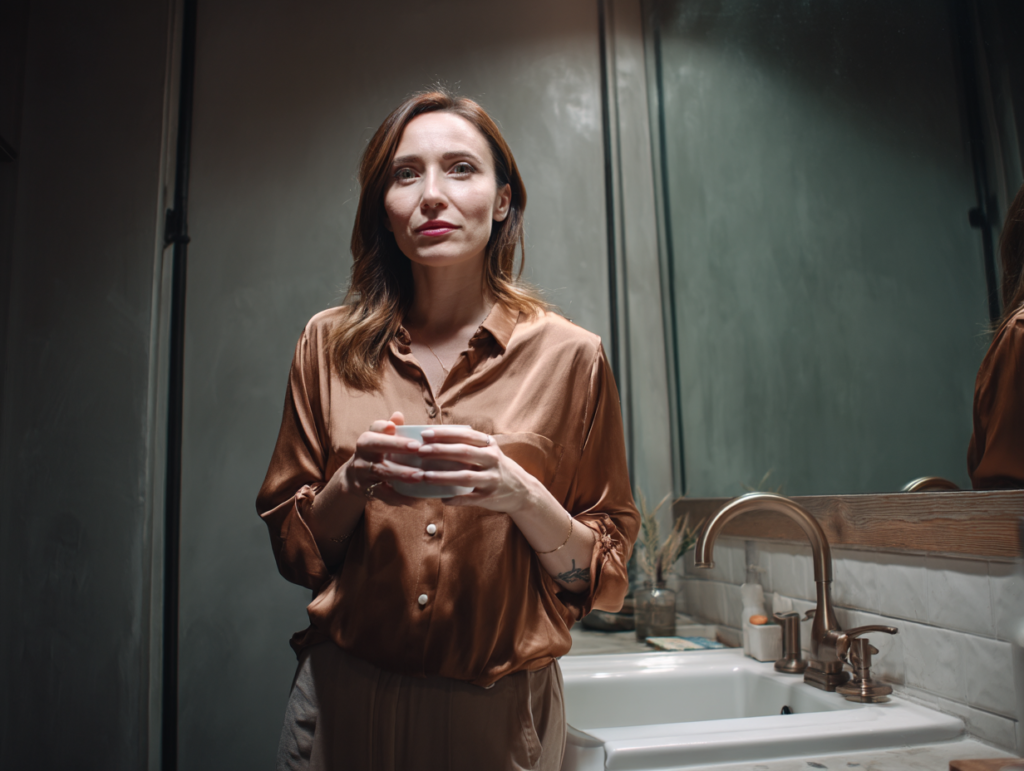
But Betty’s progress was no longer subtle. Changes and new routines that once took months now took days. Vanessa could not ignore them.
Betty began meeting her eyes, if only briefly. A glance. A pause. Something held between them before she looked away again. It was undeniable that Betty was improving.
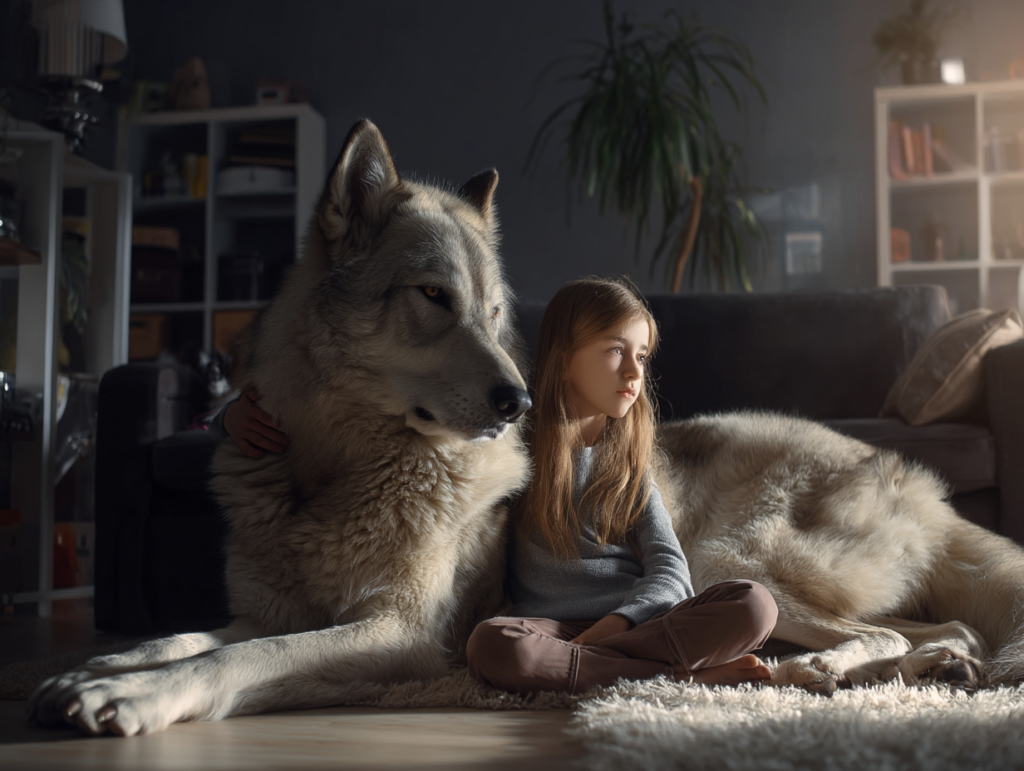
When visitors came, Betty stayed in the room longer. She sat near Scooby, hands resting against his fur, her breathing steady even as unfamiliar voices filled the space.
Scooby became a part of Betty’s regulation. When the world pressed too hard, Betty leaned into him instead of folding inward. Scooby adjusted to her emotions, silently, without being asked.

Vanessa delayed the decision she knew was coming inevitably. She told herself she needed more time. More information. More certainty before she did anything hasty.
By then, the neighbors had begun to notice Scooby. And Scooby’s size did nothing to alleviate their fears.
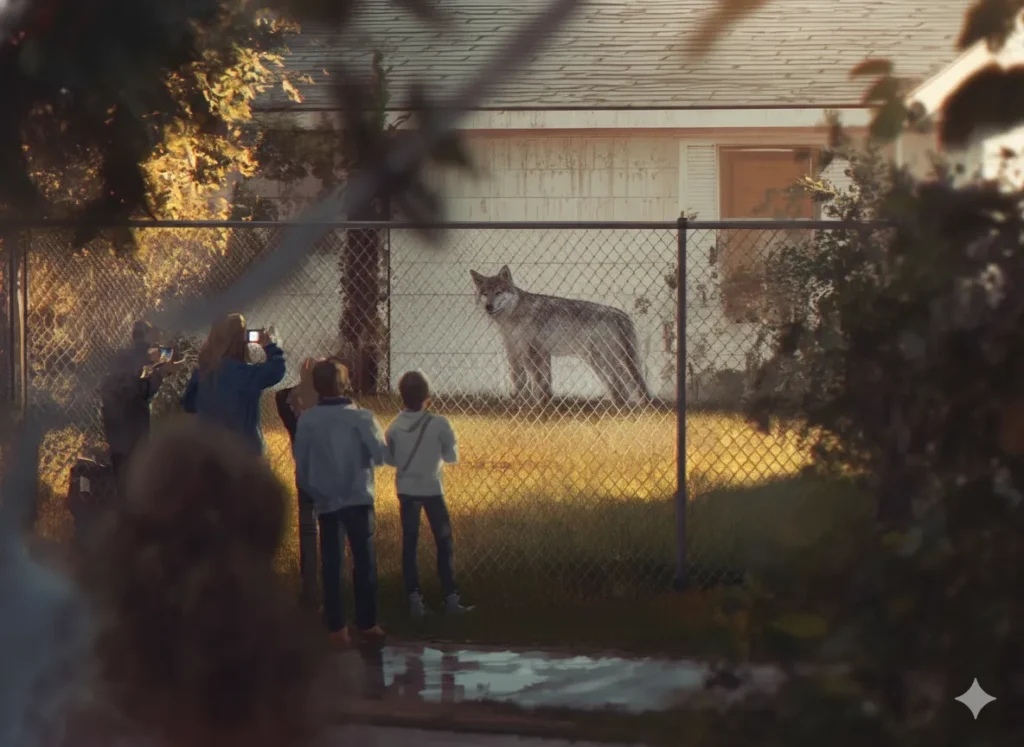
Phones came out during walks. Photos were taken from across the street. Someone filmed Scooby standing beside Betty and posted it online.
Rumors spread faster than facts. Scooby became dangerous and ferocious in retellings. People labelled him aggressive and unpredictable without really knowing him. Stories changed depending on who told them.
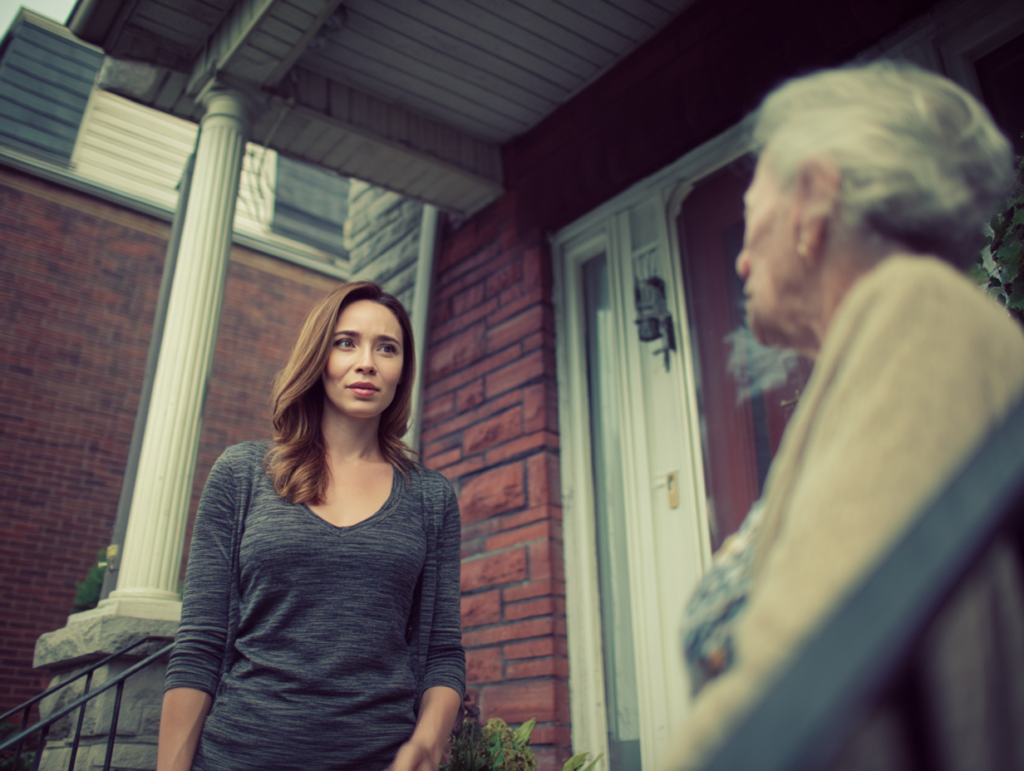
Soon, complaints followed. They were anonymous at first, and then more direct. People said they felt unsafe. People said something that large did not belong in a neighborhood, much less in a home. They warned her she was risking her daughter’s life and safety.
Vanessa had very little by way of choice. She knew that if she didn’t call the authorities, a neighbor would. Animal control arrived one morning with measured voices and cautious steps. Vanessa answered the door already braced.
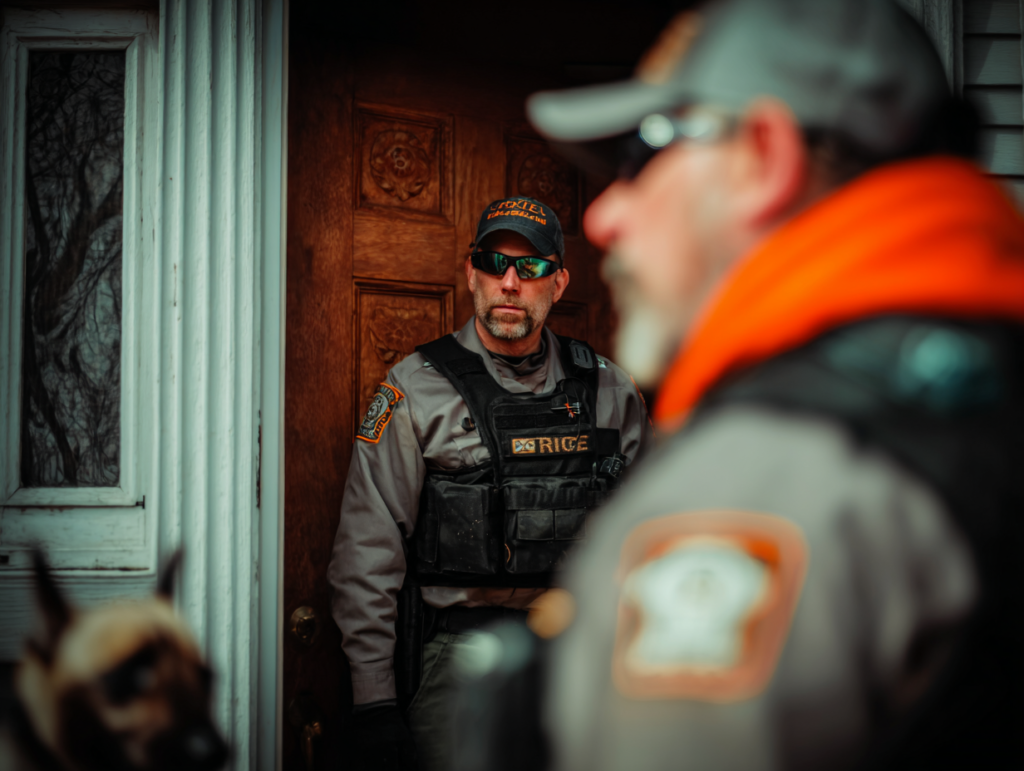
The officers were startled when they saw Scooby. They did not hide it. But they did not rush or reach for restraints either. Vanessa hoped the explanation would be one that would not topple Betty’s world.
Scooby remained calm. He watched them closely but did not move. He only shifted slightly when Betty stepped closer, placing himself where he always did—between her and the rest of the world.
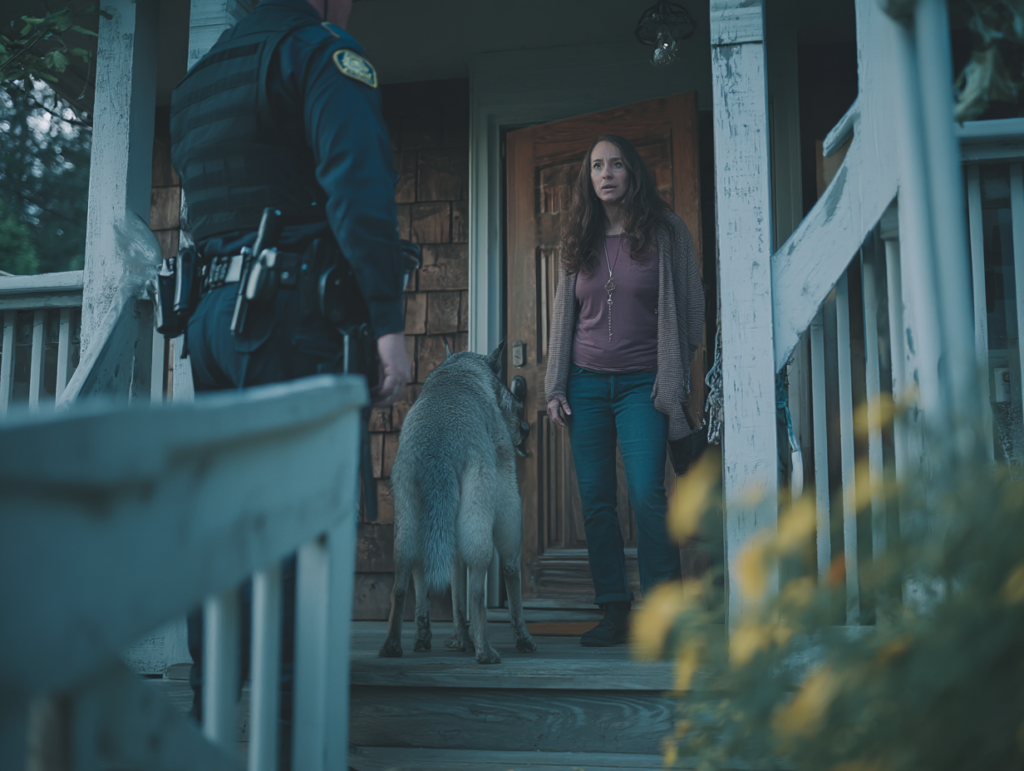
As she had feared, the authorities insisted on containment. They spoke calmly, using careful language, but their meaning was clear. Scooby was too large, too unknown, and too visible to remain unexamined. Temporary confinement, atleast until they could study it further, they said, was necessary for everyone’s safety.
Scooby submitted without too much resistance, walking where he was guided. But when Betty was asked to step away, he stopped. His body went rigid. He did not growl or lunge. He simply refused to move until Betty stood within reach again.
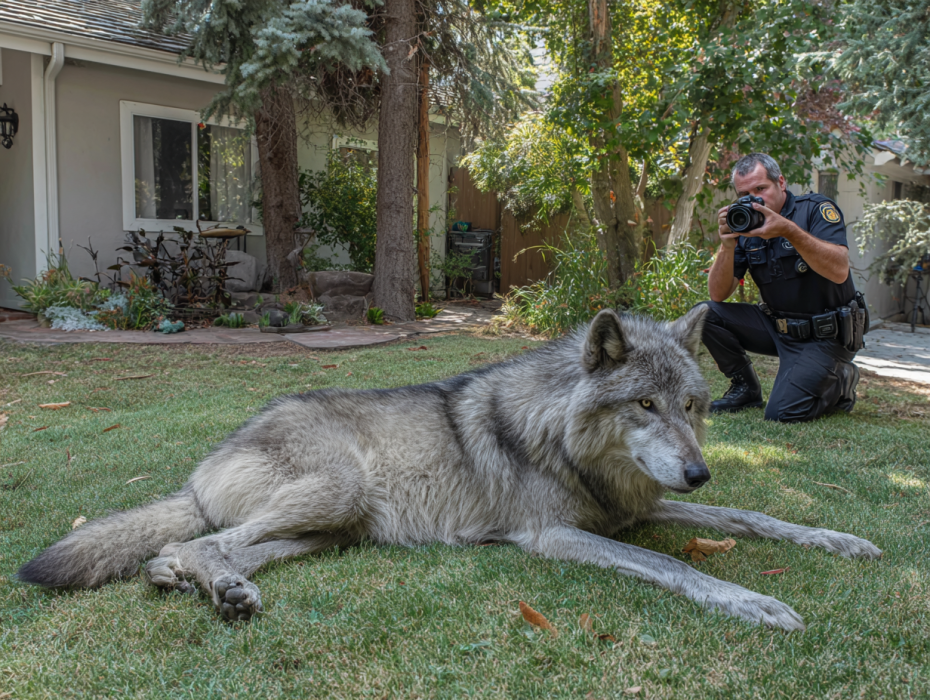
A DNA analysis was ordered. Blood samples were taken. Measurements recorded. Photos archived. Vanessa signed forms she barely read, her name steady on the page even as her thoughts spiraled toward outcomes she did not want to imagine.
Vanessa prepared herself for the worst. Confiscation. Relocation. Permanent separation. She rehearsed explanations she might have to give Betty, knowing none of them would land softly or make sense to a child like her, one whose world depended on constancy.
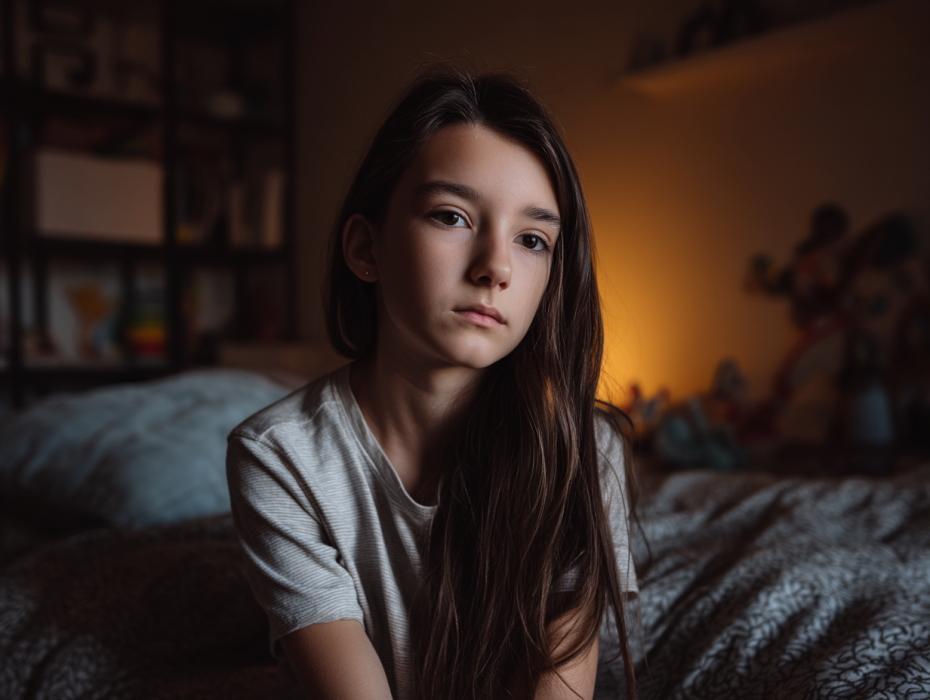
Betty sensed the tension immediately. She spoke less. She withdrew into herself, staying close to Scooby whenever she could. Vanessa watched her old behaviors and tantrums return in small ways and felt sadness and guilt tighten in her chest.
For the first time since she had known him, Scooby began to pace. The movement was slow but restless. Back and forth. Stop. Turn. It was not aggression. It was uncertainty, and it unsettled everyone who saw it.

The initial results confirmed what Vanessa had already feared. Scooby carried an overwhelming 85% of wolf genetics. Far more than any documented hybrid. The numbers did not quite explain his size, and they certainly did not explain his nature.
There were anomalies, too. DNA sequences that did not align with known subspecies. Markers that appeared altered, reinforced, or deliberately arranged. The report was careful, but its uncertainty was unmistakable.

Specialists were called in. Geneticists. Wildlife consultants. People who spoke in quieter tones and asked more specific questions. They did not look at Scooby the way the others had. They looked as if they recognized him.
The conclusion came slowly after much bandying of scientific and technical terms. Scooby was not a naturally occurring animal. He belonged to a discontinued experimental line of canids, engineered decades earlier under a government-sponsored program that no longer officially existed.
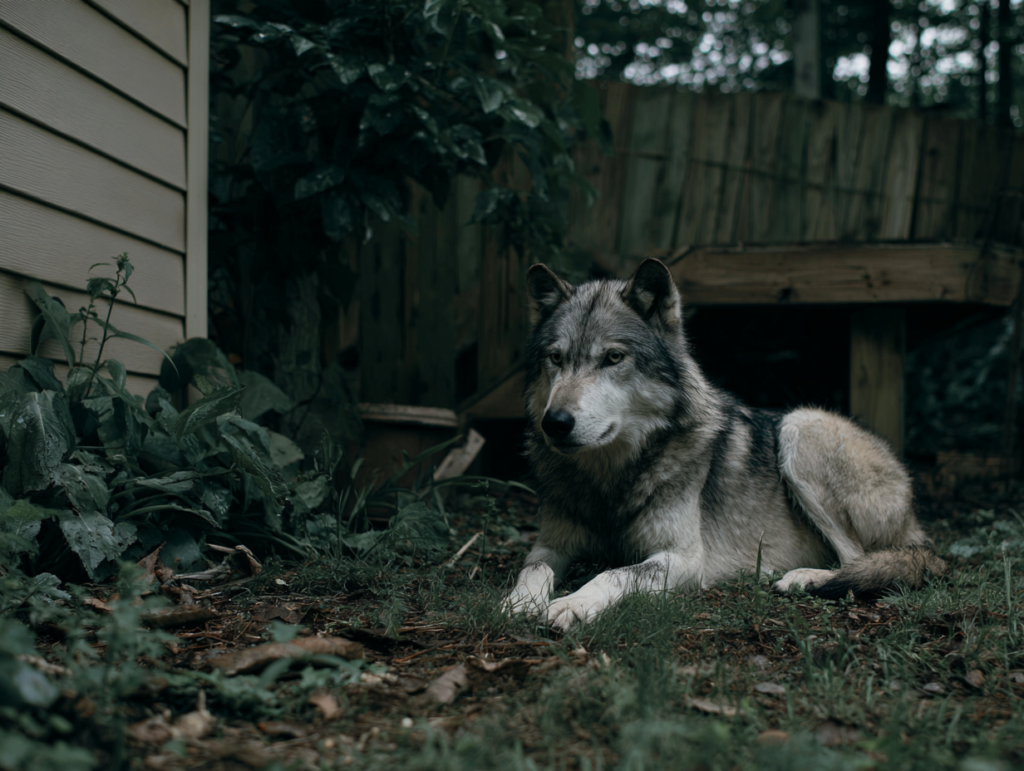
He had been designed for special companionship. Not obedience or labor, but attachment. Singular bonding. Once paired with a human, the animal oriented itself entirely around that person’s presence and emotional state. Others like him had been recaptured and disposed of. He had somehow escaped or been saved by someone.
One scientist explained, “Separation might cause neurological collapse. Disorientation. Breakdown. In severe cases, it might prove fatal, or that’s our understanding.” The animal could not reattach. It could not transfer loyalty. The bond was not a behavior, but structural.

Vanessa understood the implication too late. Scooby would never leave Betty willingly. And Betty, she realized with a cold clarity, might not survive losing him in any meaningful way. As a mother, her first relief that a separation might be out of her hands, that she may not have to make that decision, was now replaced with cold dread.
Despite the evidence, officials recommended permanent relocation. A controlled environment. A secure facility. They spoke of protocols and risk management, avoiding words like grief or damage or permanence. They said Betty could have monitored visits at a frequency they would decree.
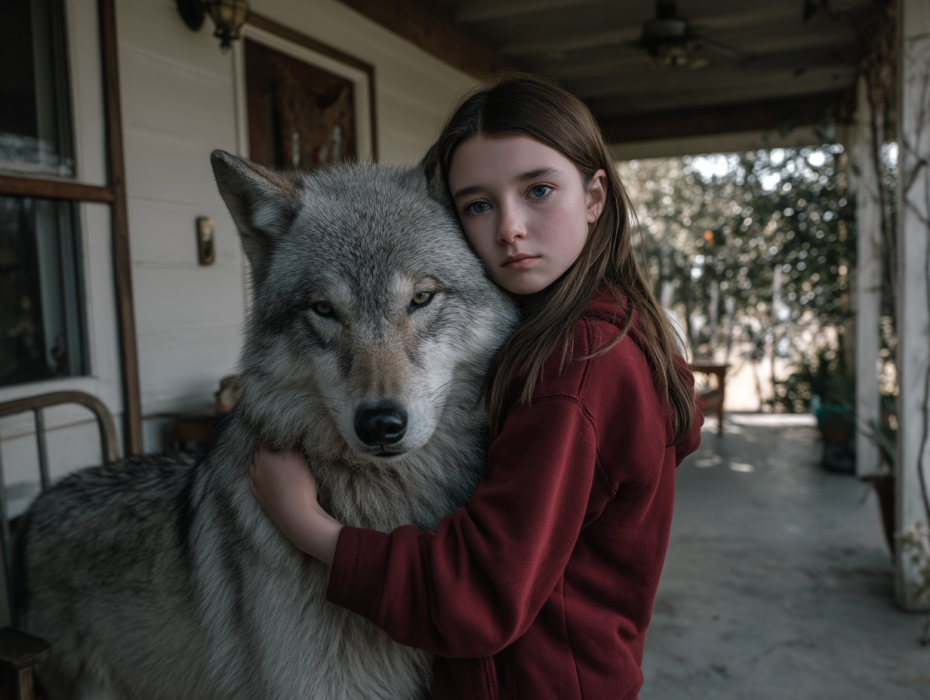
They understood, even before Vanessa broke the news to Betty. Betty refused to release Scooby. When asked to step away, she clung to his fur with shaking hands, her breathing uneven, her body locked in place. No amount of reassurance moved her. She was inconsolable. She moaned with pain, rather than crying like a child.
The authorities discussed sedation again. Quietly, at first. “As a last resort,” they said. Vanessa heard the word and felt something inside her harden. She felt this would be harder on Scooby as well as on Betty.
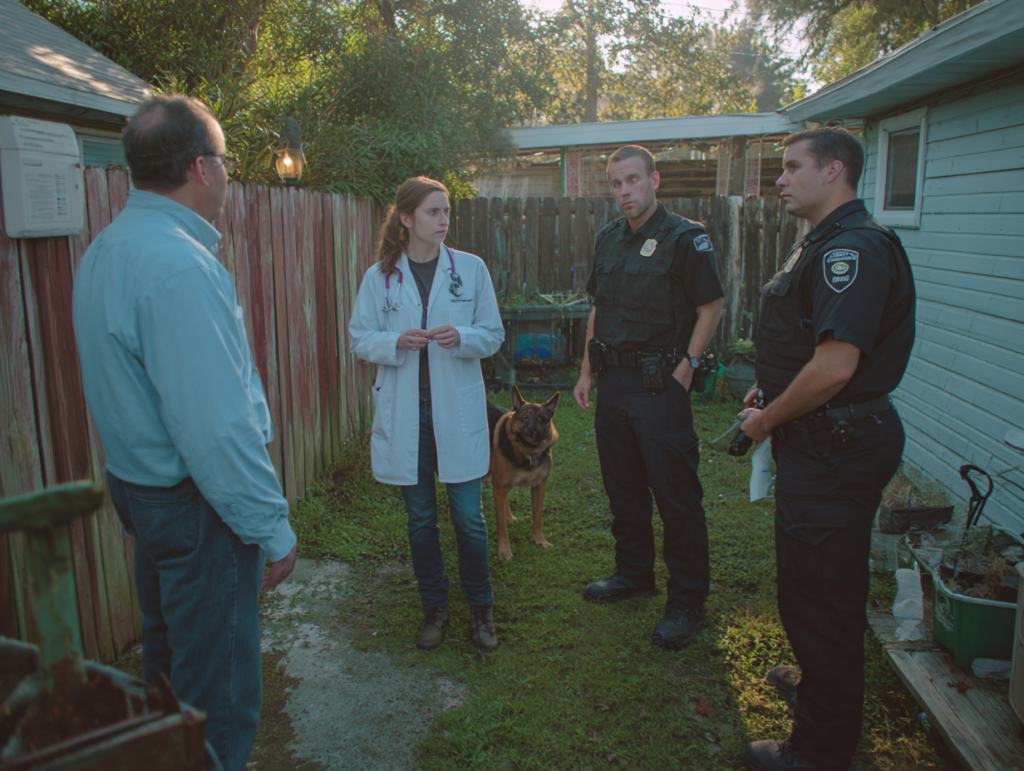
The vet hesitated. She asked questions that had not been on the checklist. She watched Scooby’s eyes track Betty’s movements with painful precision. Her silence spoke louder than agreement ever could.
Scooby’s behavior destabilized. The pacing returned, faster now. He pressed closer to Betty, positioning his body protectively even indoors. He was not violent, but he was no longer at ease either. His size and his unease made Vanessa scared for Betty.

Finally, after much to and fro, a deadline was set. Decisions were made within days. Vanessa nodded and thanked them, then stood alone in the room afterward, watching her daughter and the creature beside her, knowing the clock had started its ticking.
Scooby must’ve escaped his temporary confinement without force or panic. A gate had been left unsecured during a shift change, and he moved through it as if he had been waiting. No barriers were broken. No alarms sounded at first. He simply walked out, almost regally, making his point clear.

When the alarms finally triggered, they fractured the space. Doors slammed. Radios crackled. Voices rose in urgency. Vanessa heard the sound from inside the house and knew, before anyone spoke, that something had gone wrong.
Authorities assumed the worst. A containment breach involving an animal of unknown capacity left little room for patience. Instructions were shouted. Emergency protocols activated. Someone mentioned tranquilizers again, louder this time.
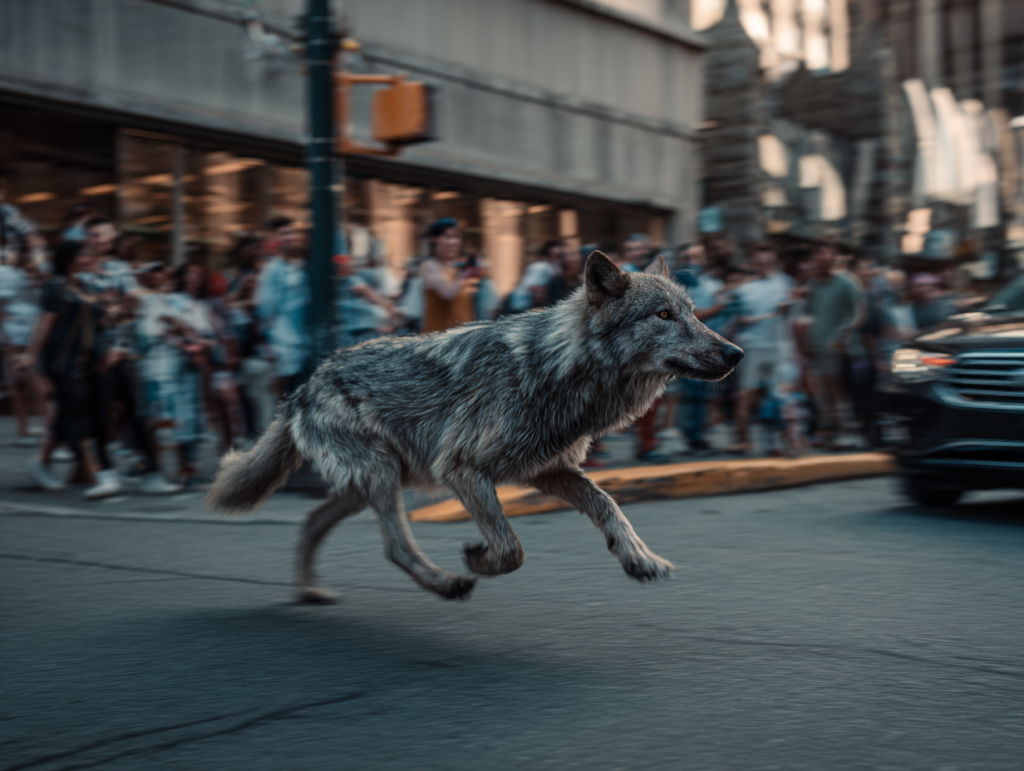
Scooby ignored everything except direction. He did not react to shouting or vehicles or lights. He moved with purpose, choosing paths that avoided people, turning only once, briefly, toward the house he already knew.
He went straight to Betty. He crossed the yard without hesitation, passed through the open door, and stopped in front of her as if no other outcome had ever existed in his head.

Scooby lay down at her feet and went still. Not submissive. Not fearful. Simply present. The alarms continued outside, but inside the room, the world narrowed to breathing and weight and silence.
Betty leaned against Scooby’s side, her breathing slowing as her body found its rhythm again. Vanessa watched the familiar pattern return—hands relaxing, shoulders dropping—as if the tension of the past days had finally released.
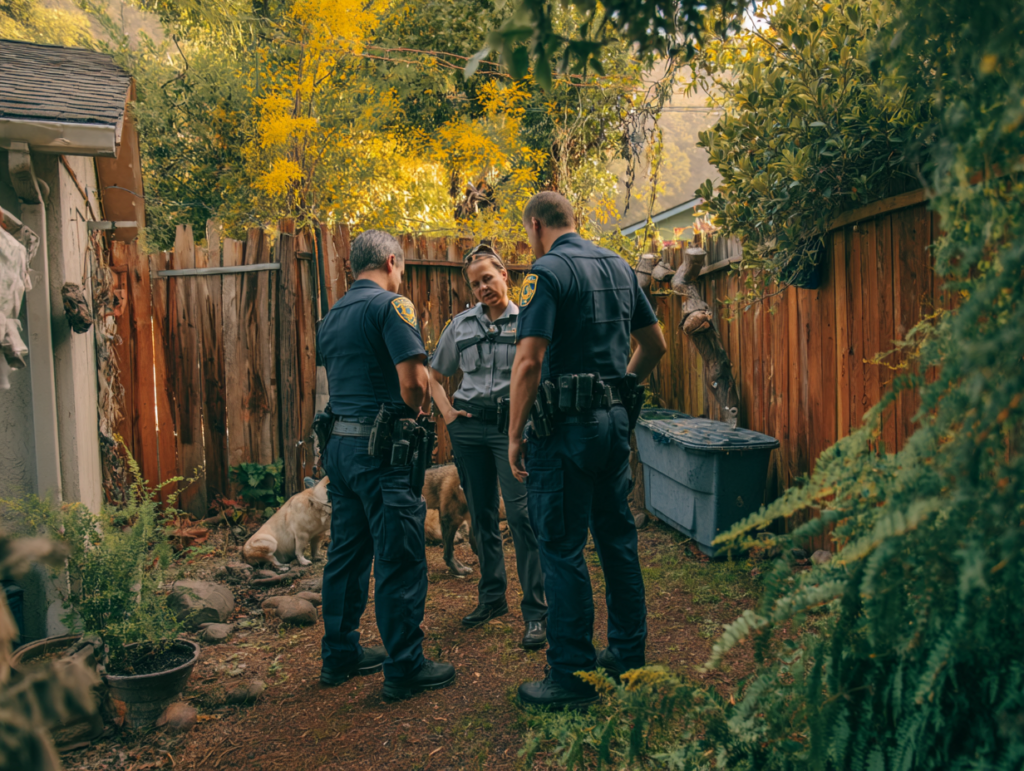
The specialists who arrived spoke softly now. Separation, they admitted, would destroy both stability patterns. The animal’s neurological structure depended on the bond. So did Betty’s emotional regulation. Removing Scooby would not resolve the risk. It would simply create one.
Scooby was reclassified as a non-transferable biological anomaly with no relocation protocol. The paperwork changed. The language shifted. What had once been a problem became a responsibility to be solved empathetically, with the best in mind for everyone concerned.
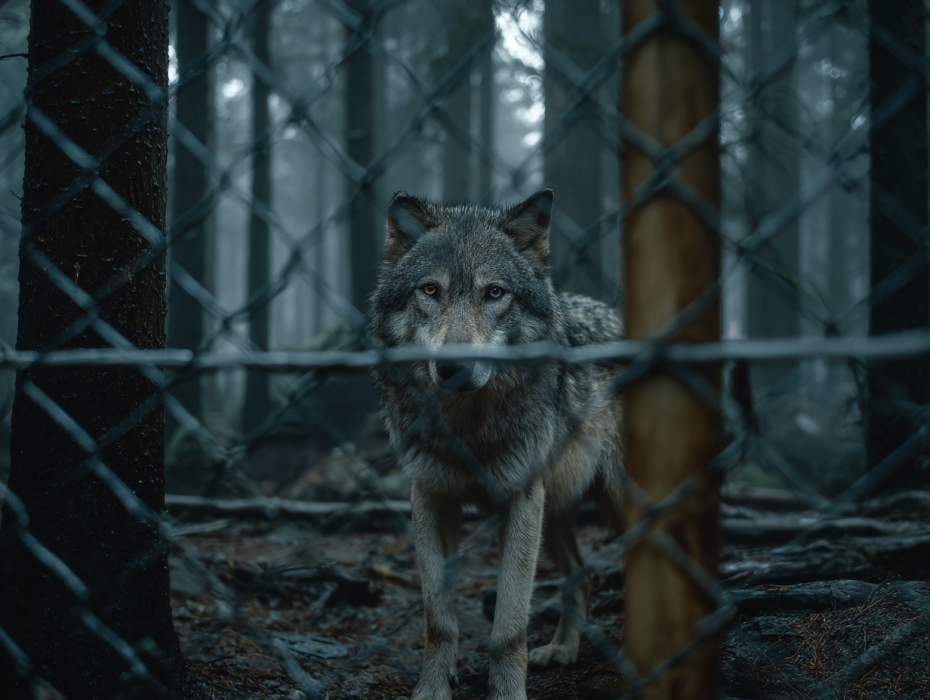
They built a secure enclosure behind the house, positioned carefully along the forest line. It was reinforced, monitored, and designed to allow movement rather than confinement.
Scooby moved freely between the enclosure and Betty, between trees and home. He never strayed far. He never tested boundaries. He chose proximity over freedom every time.

Vanessa watched them from the doorway one evening, the forest dim behind Scooby and her daughter leaning into his side. Only then did she understand. Scooby had never been meant for the world. He had been meant to stay.