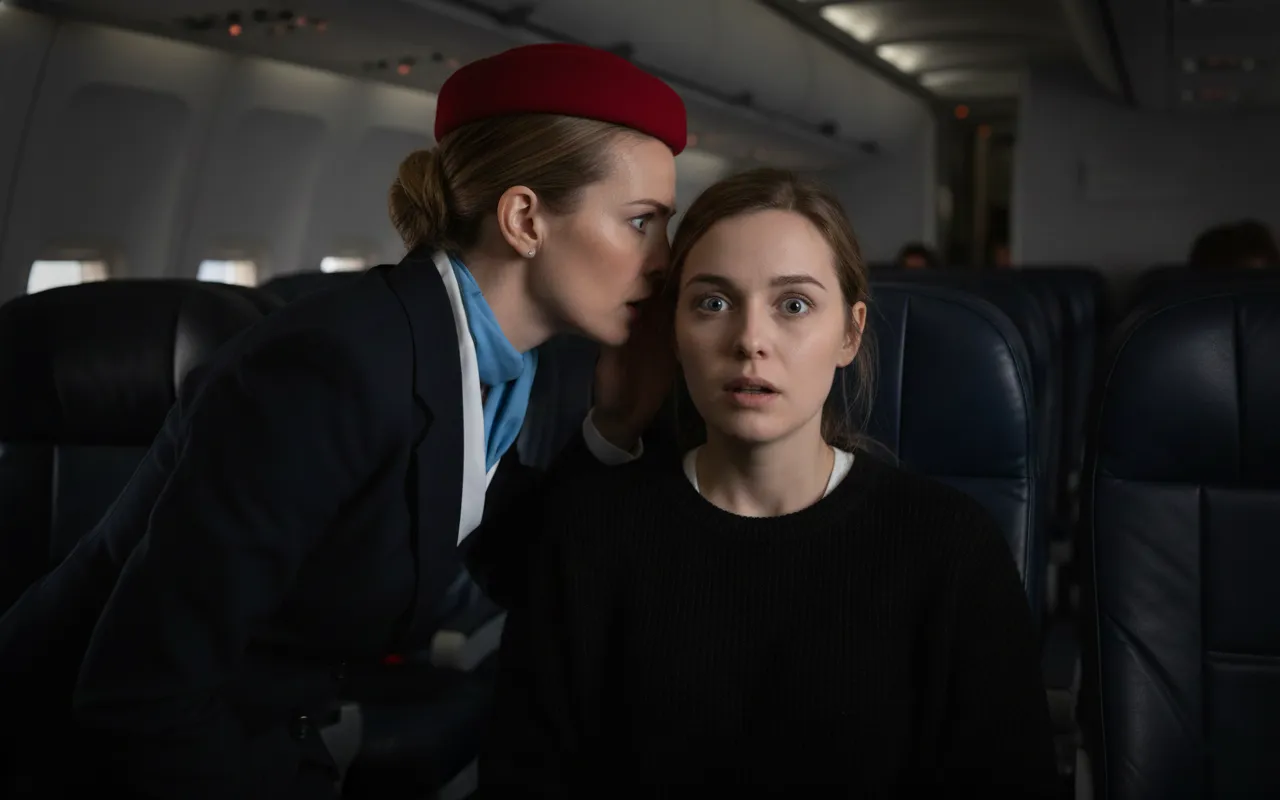
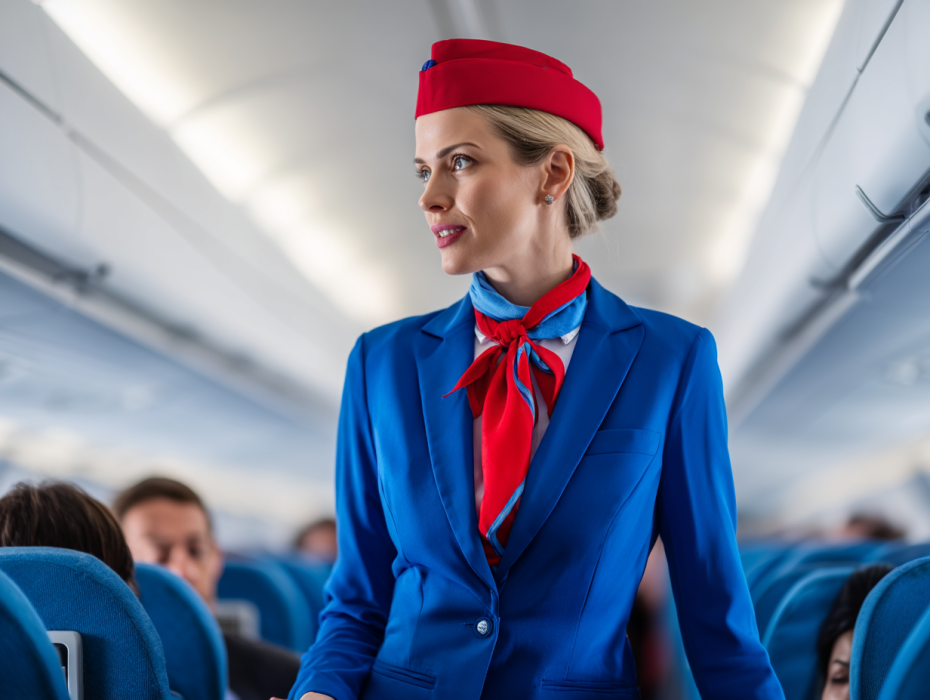
The flight attendant leaned in a little, her breath close, her voice barely audible above the boarding music. “You need to get off this plane. Immediately.” Her hand gripped the seatback harder than necessary, knuckles pale. Alyssa followed her eyes, half-expecting something to fail, some alarm to break the moment open.
Alyssa refused without thinking, the word forming before fear could catch up. No explanation followed. No badge, no authority. Around her, the cabin stayed calm—passengers lifting bags, screens lighting up, the boarding music still playing, absurdly cheerful.
The attendant hesitated, then leaned closer once more before moving on. “You shouldn’t have been allowed to board.” There was urgency in her voice. Then she straightened and scuttled away down the aisle, disappearing behind the curtain and leaving Alyssa frozen in her seat…
It was the holiday season. Alyssa was flying home for Christmas. Thoughts of meeting her family had made her quite cheerful, even though the initial flight she had booked had been canceled for no perceivable reason. Thankfully, she had been reassigned to a new flight pretty quickly.
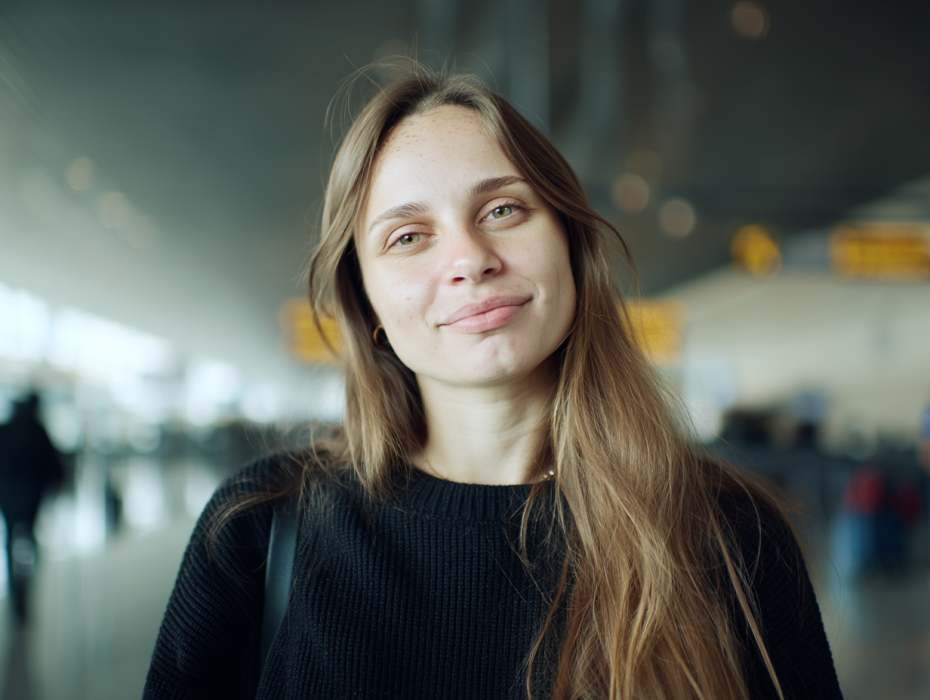
She arrived early at the gate, relieved to be reassigned at all. The terminal was crowded, humming with restless energy, families sprawled across chairs, children half-asleep on backpacks, holiday music drifting faintly from somewhere overhead.
That was where she noticed the mother and her young daughter. The child couldn’t have been more than one—unsteady on her feet, delighted by everything. Alyssa smiled when the girl waved at her, sticky fingers grasping the air with intent seriousness.
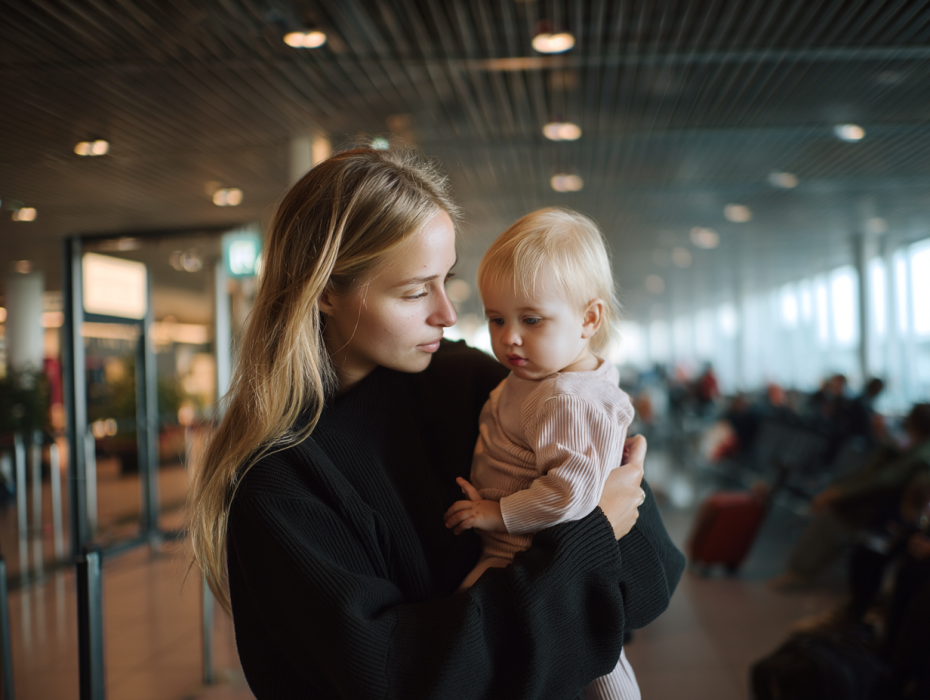
The mother laughed and apologized automatically, already tired in the specific way only traveling parents are. Alyssa waved it off, crouching slightly to play peekaboo. The child squealed, delighted, as if playing with Alyssa had always been part of the plan.
They talked while the gate agents prepared for boarding. Small talk at first—where they were headed, how full the flight looked. The mother mentioned a delay earlier in the day. “Everything’s been strange today,” she said, not really worried, just tired.
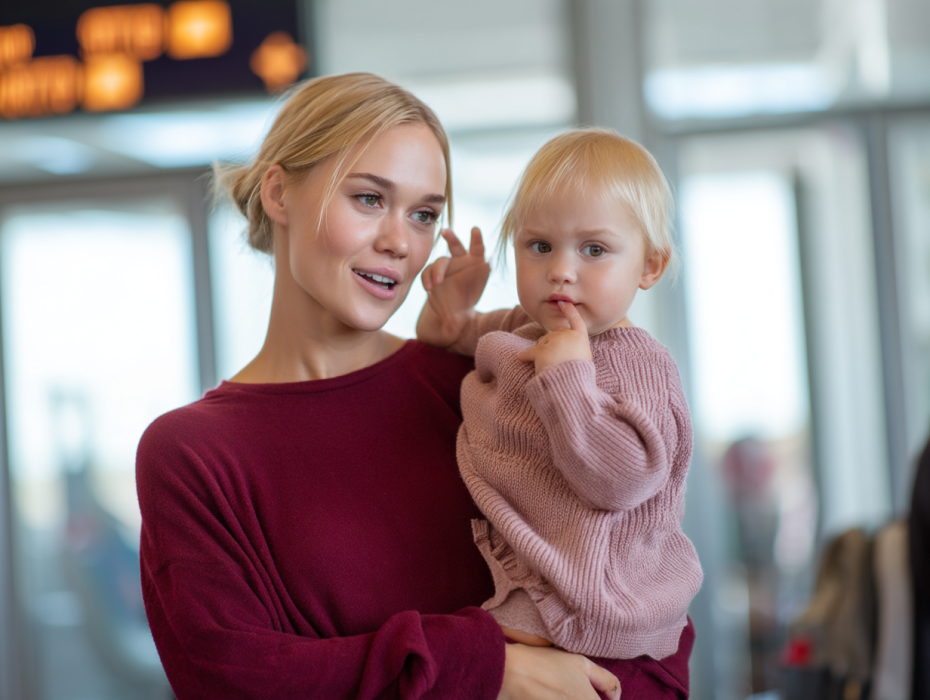
When boarding began, Alyssa fell into step behind them. It felt natural to continue the conversation, even as the line moved. The child kept turning around to check that Alyssa was still there, reassured every time she was. The girl kept giggling as if pleased that her new friend was there.
Inside the aircraft, the aisle narrowed immediately. People paused to lift bags, children were hoisted into seats, and jackets caught on armrests. Alyssa stopped briefly when the mother and child did, helping steady a bag as it slid sideways.
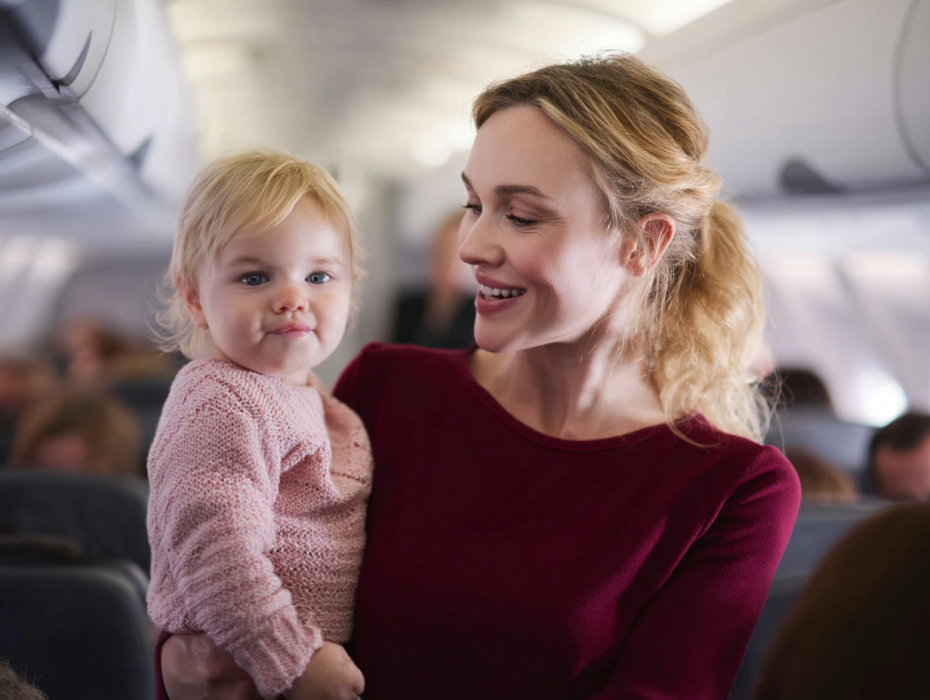
“That’s my row,” the mother said, smiling apologetically as she settled in. Alyssa nodded, still talking to them and half-turned toward them, when a firm, almost chiding voice cut in behind her.
“Ma’am, please keep moving.” The flight attendant’s tone wasn’t rude, but it was precise. Procedural. Alyssa flushed slightly, realizing she was probably blocking the aisle in trying to keep talking to the mother.
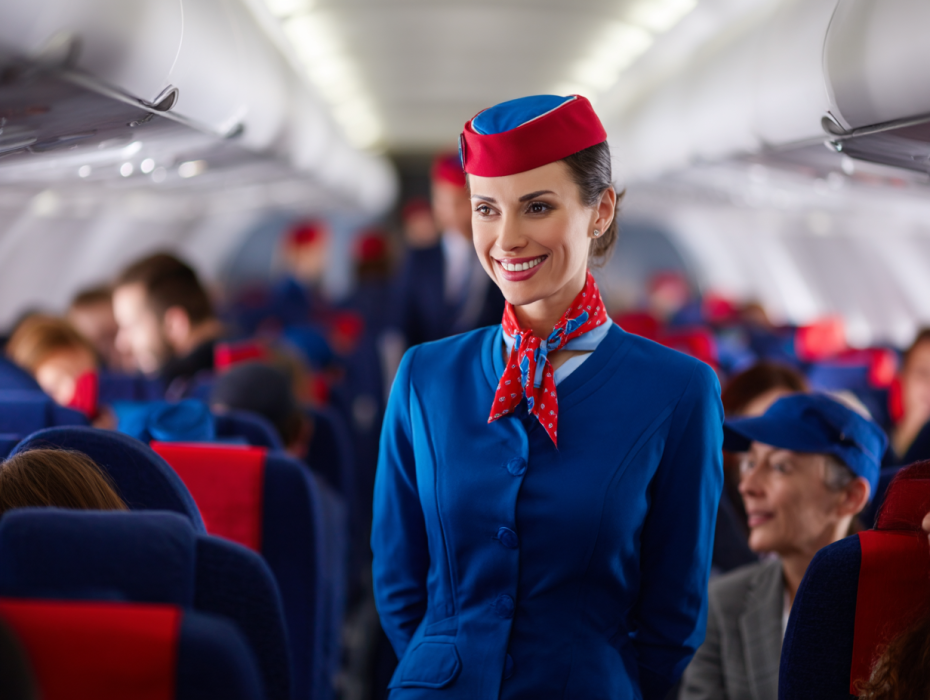
“Sorry,” Alyssa said, stepping forward immediately. She was generally a conscientious person, and she felt embarrassed at being called out. The attendant watched her move, eyes following her longer than necessary before shifting attention to the next passenger.
Alyssa had nearly reached her own row, a few seats behind, and stowed her small bag overhead. She was adjusting her phone to flight mode, preparing to sit down, when another attendant appeared at her side. Younger. Efficient. Clipboard tucked against her hip.
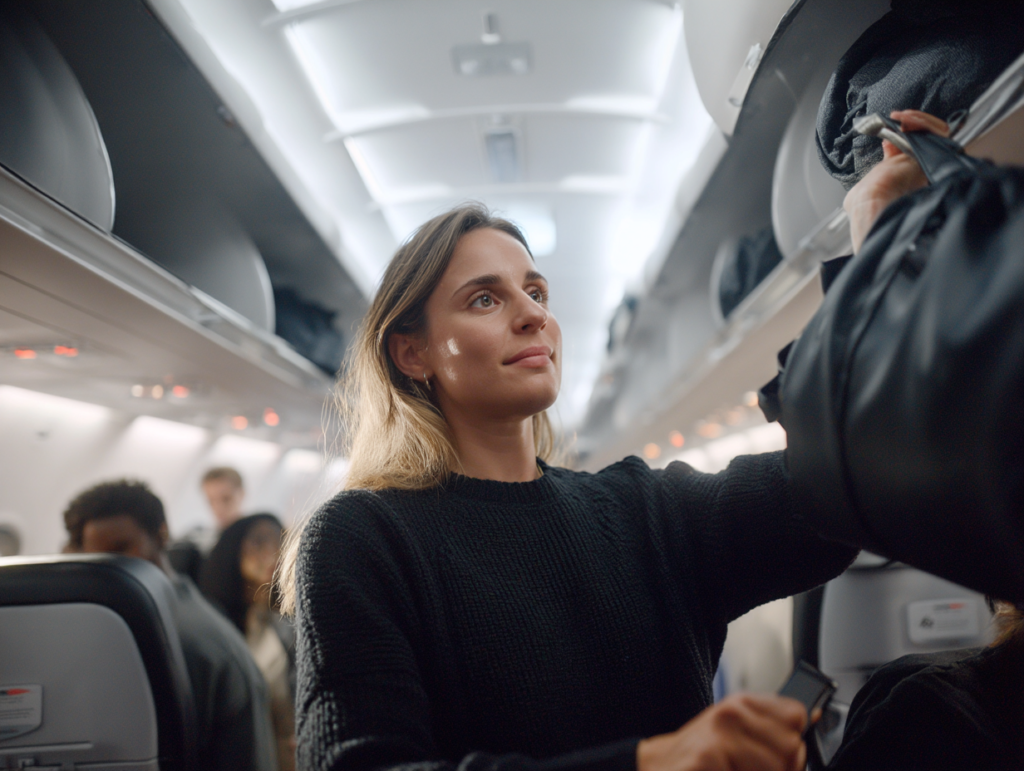
“Excuse me,” the attendant said. “These rows are already full. Where are you headed?” The question caught Alyssa off guard. She thought the answer was obvious. There was one seat still conspicuously empty. Most of the others had already been taken.
“This seat,” Alyssa replied, tapping the armrest lightly. “I’m assigned here.” Alyssa wondered whether the attendant was young and green on the job or just plain tired with the work, especially around the holiday season. Why else would she ask such an obvious question?
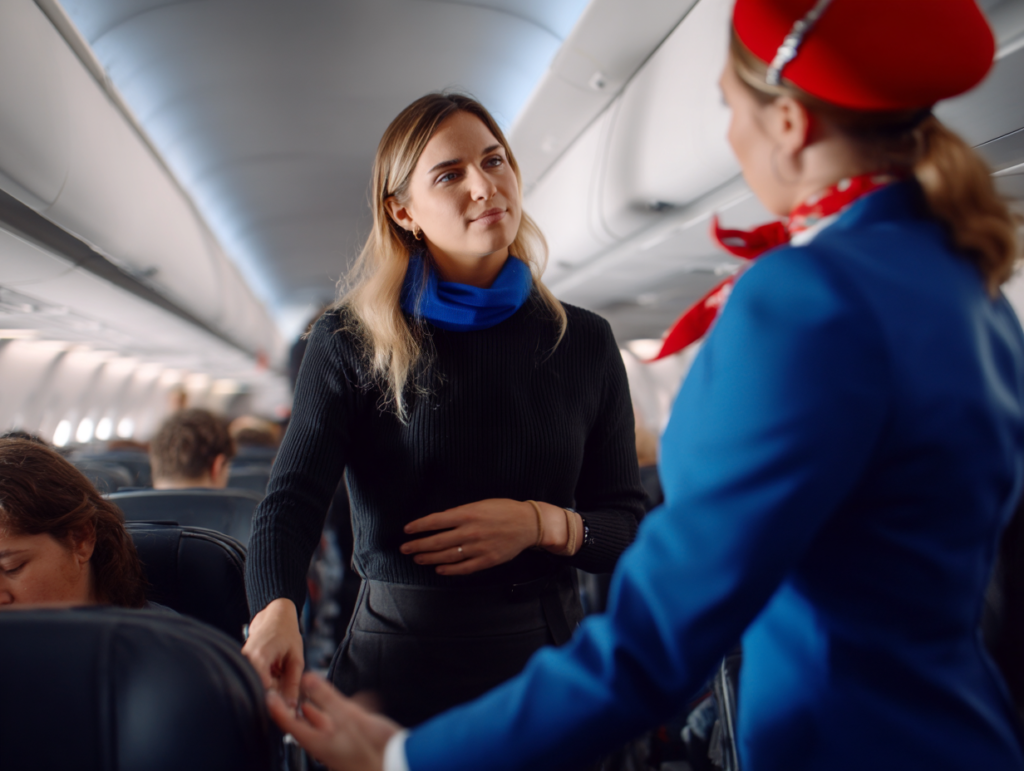
The attendant frowned slightly, scanning the row. She glanced down the aisle, then back at Alyssa. “That can’t be right, ma’am.” A ripple of irritation passed through Alyssa, quickly suppressed. “I can show you my boarding pass.”
“Yes,” the attendant said. “Please.” Alyssa handed it over. The attendant read it once. Then again. Her face didn’t change immediately—but something in her posture did. Her shoulders stiffened, and her jaw became more set.
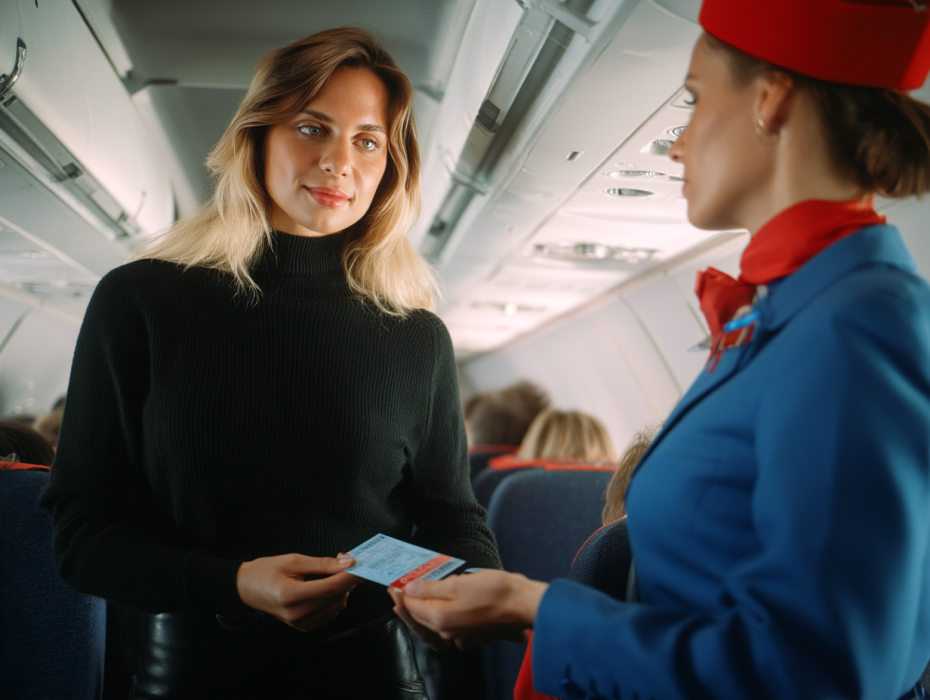
She handed the pass back without comment and said, “Please remain seated for now,” already stepping away. Alyssa watched her retreat toward the cockpit instead of continuing down the aisle. That detail lodged uncomfortably in her mind.
Around her, boarding continued. Overhead bins snapped shut. Someone laughed softly at a video. The young child squealed again several rows ahead, blissfully unaware. Around her, passengers slowly settled into their spots. A child kicked off their shoes. The cabin smelled faintly of coffee and fabric cleaner.
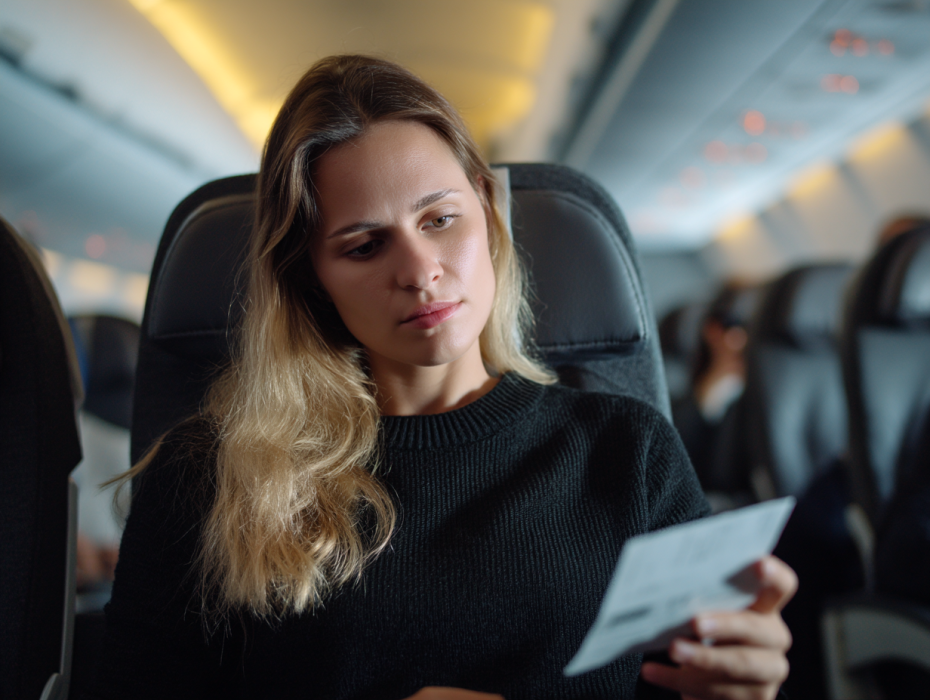
Curiously, Alyssa looked down at her boarding pass again. Her name was printed clearly. The seat number matched the one beneath her. Boarding zone correct. Gate listed. Time listed. Nothing looked altered or rushed. Everything about the ticket said she belonged exactly where she was sitting.
She felt the first stirrings of unease then—not fear, exactly, but the sense that she’d stepped slightly out of alignment with something she couldn’t see. But she shrugged it off as tiredness and unnecessary paranoia. They had asked her to remain seated.
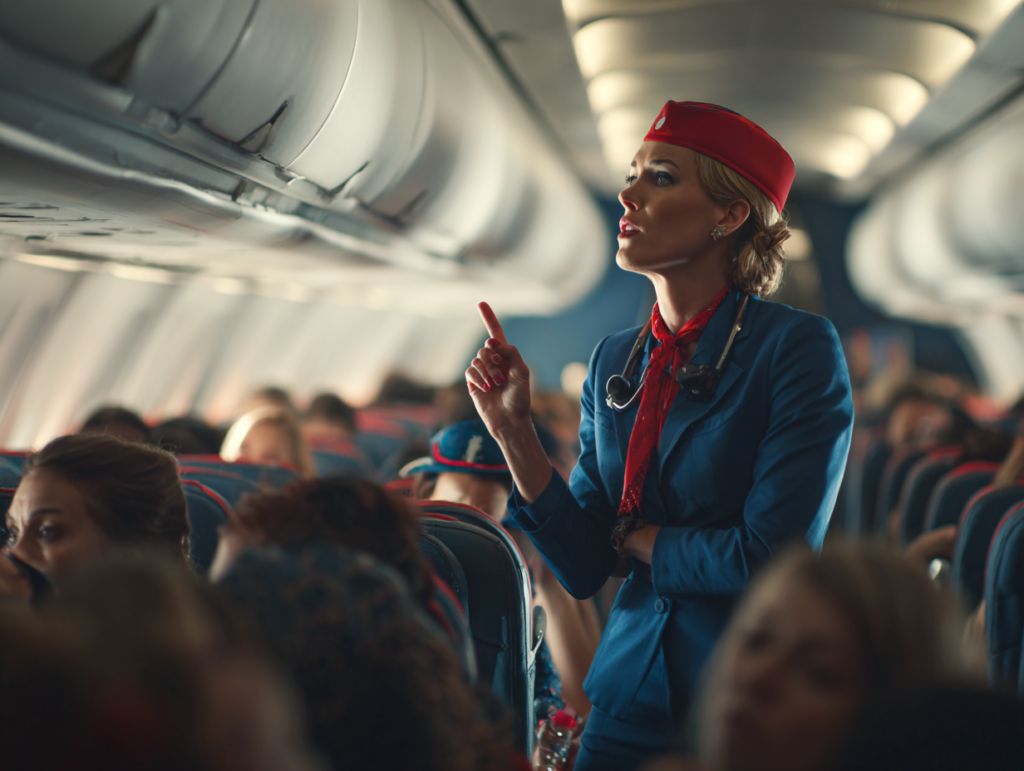
Midway down the aisle, a flight attendant stopped abruptly and began counting rows under her breath. Not casually. Carefully. Finger moving from seat to seat. When she reached Alyssa’s row, she paused longer than necessary before continuing, her expression tightening as if the numbers no longer added up.
Another attendant followed behind her, checking seat numbers again, then again. He asked her for her boarding pass and verified her ID card as well. For a moment, he stood frozen, as if deciding whether to keep going or turn back. Then he moved on without explanation.
A service cart rolled out earlier than expected, its metal wheels whispering over the carpet. Alyssa noticed the meal trays balanced on top, already sealed. One attendant whispered something to another. The detail felt small, almost petty—but it lodged itself firmly in her mind.
Without a word, the second attendant lifted the tray from the cart and disappeared into the galley, without announcement, apology, or explanation. The cart returned lighter, as if the tray had never existed at all. Alyssa watched the space it left behind, aware she was now counting too.
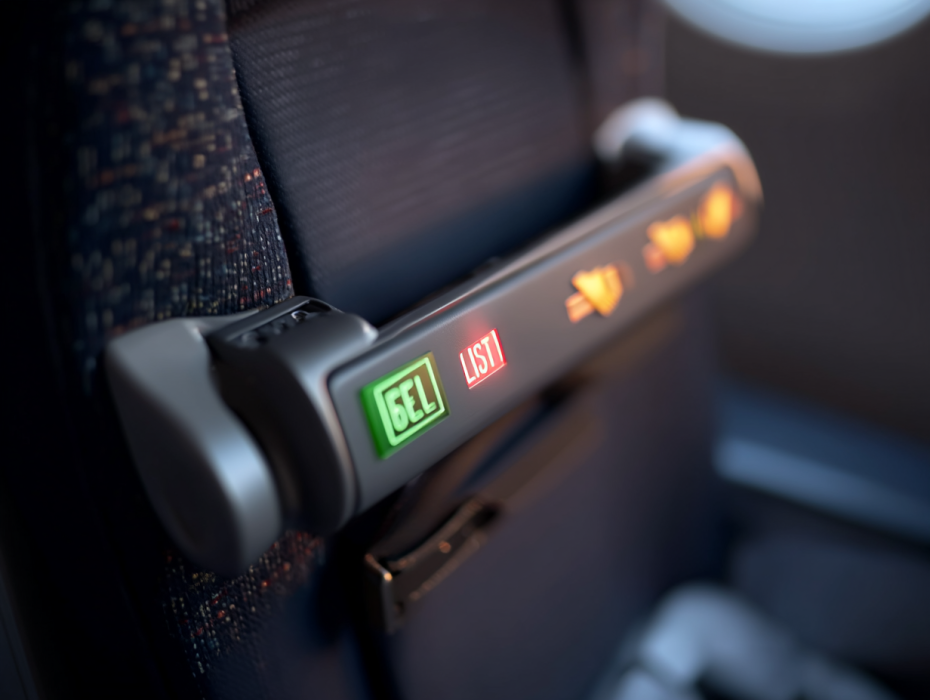
The seatbelt sign chimed softly and flicked on. A second later, it clicked off again. No announcement or explanation followed. A few passengers looked up, confused, some mumbled about holiday delays, and then shrugged it off. Alyssa didn’t. The moment felt like a hesitation, as if the plane itself were reconsidering something important.
Near the galley, two crew members leaned close, whispering urgently. Alyssa strained to listen, catching only fragments between the hum of air vents and distant laughter. Their voices were tight, controlled, nothing like casual conversation. Whatever they were discussing, it wasn’t meant for passengers to hear.
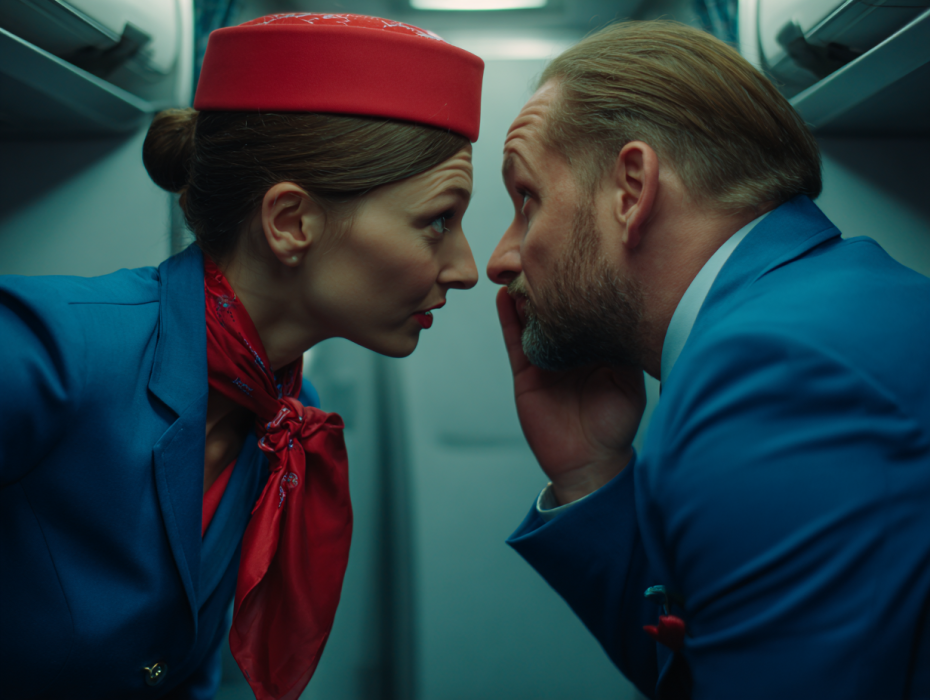
One phrase reached her clearly enough to freeze her in place. “Shouldn’t be there…Why is she here?” The words sounded laden with anxiety as the attendant briefly glanced in her direction. Alyssa felt a slow chill creep up her spine. They didn’t seem to be talking about luggage, cargo, or supplies. Were they talking about…her?
She realized then that all the crew seemed unprepared for her presence for some reason. The captain’s voice filled the cabin just then, smooth and steady, announcing a minor technical delay. Nothing serious. Just a few extra minutes. Alyssa listened for cracks beneath it, for something unsaid hiding between the practiced phrases.

He added that no one would be deplaning for the moment and asked all passengers to remain seated. The request landed heavier than it should have. Not a suggestion. A rule. Alyssa noticed how quickly everyone obeyed, how easily they accepted being told to stay exactly where they were.
The cabin temperature dipped slightly, enough to raise goosebumps on Alyssa’s arms. She pulled her jacket closer, aware of how sealed the space suddenly felt. The doors were closed. The windows were small. The air seemed recycled. Whatever was happening, there would be no easy exit now.
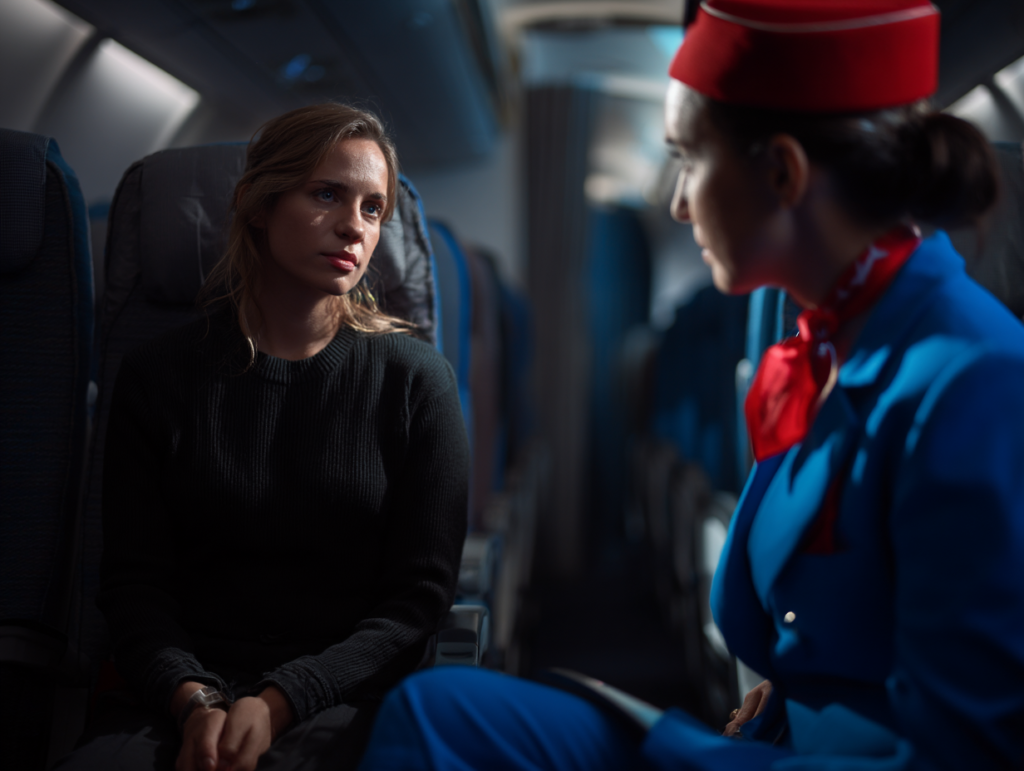
The flight attendant returned to Alyssa’s row. Her face was tight, the urgency from before sharpened into something closer to dread. She didn’t speak. She didn’t smile. Her attention went straight to the seat number, as if trying to understand a complex mathematical problem.
She checked the number slowly, comparing it to the rows around it, her movements careful, deliberate. She checked Alyssa’s ticket and other documents again. Alyssa couldn’t hold back from asking, “Can you please explain what seems to be the problem?”
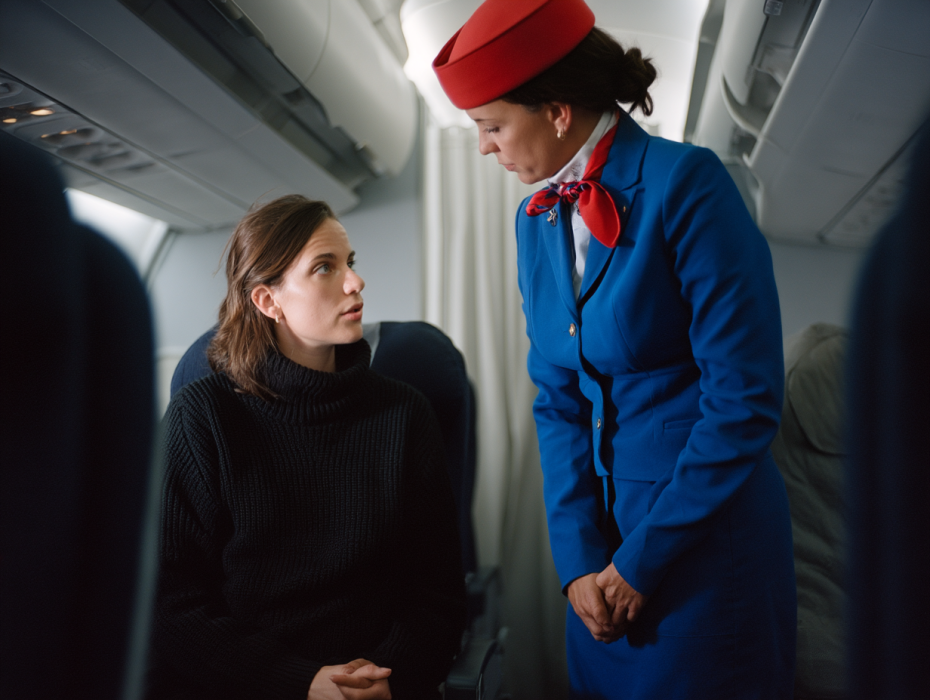
Alyssa opened her mouth to ask more, but the attendant avoided her eyes completely as she said, “It’s just a procedural delay, ma’am. We’re waiting for groundstaff to confirm.” The rehearsed reply felt intentional, as if meeting Alyssa’s gaze might force her to explain something she wasn’t allowed to say.
To kill time, she thought of reasonable explanations. Flight overbooked, maybe. A crew mix-up. Passenger profiling for someone dangerous. A simple mistake blown out of proportion, most likely. Her mind clung to logic when fear offered too many darker options. Alyssa straightened in her seat, determined not to overreact.
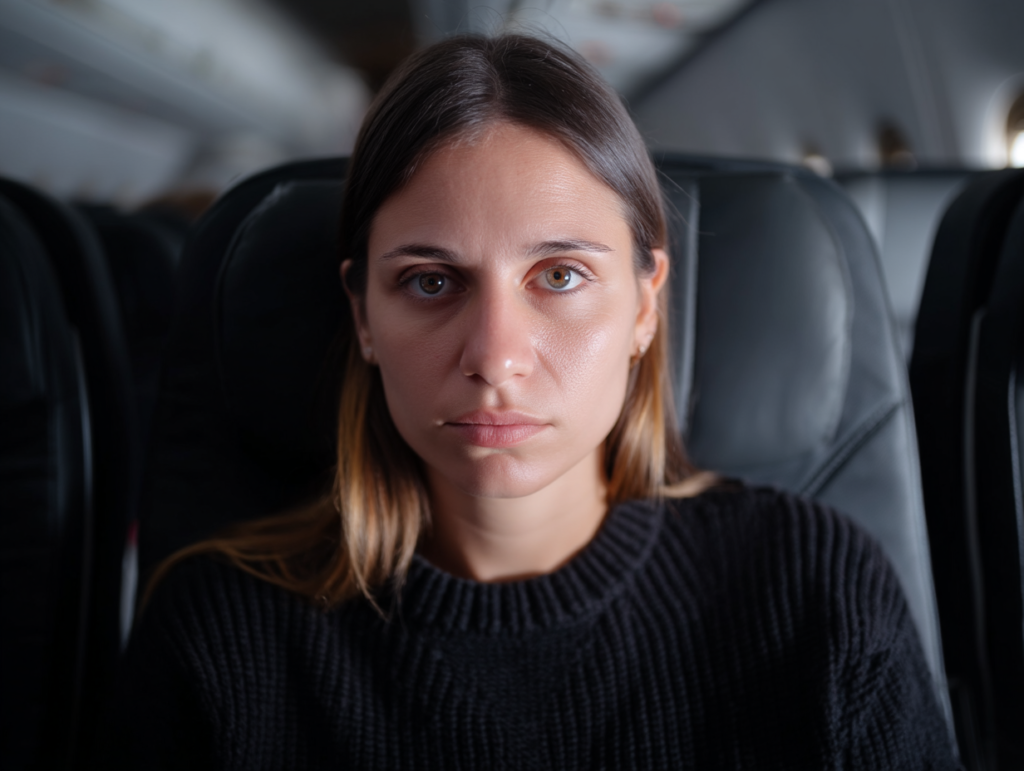
Alyssa’s mind slipped back to earlier that day, to the moment her original flight was canceled. No weather alert. No clear reason. Just a brief message and a generic apology. At the time, it felt inconvenient. Now, it felt deliberate, like the first move in something she hadn’t noticed unfolding.
The rebooking had happened without her touching a thing. No agent. No conversation. One itinerary replaced another in seconds, as if the decision had already been waiting. She remembered staring at the screen, gratified by how little she’d been involved in her own movement from one plane to another.

The seat assignment appeared instantly. Final. Non-negotiable. There was no prompt to choose, no option to adjust. Just a number, dropped into place with quiet authority. Alyssa recalled a flicker of surprise at not having been able to choose; she’d ignored it then. Now it seemed as if the seat had been chosen for a reason.
The confirmation email arrived almost immediately. Too fast. Clean. Impersonal. No name. No signature. Just instructions and a barcode. It read less like customer service and more like a command—brief, efficient, unquestionable. Alyssa remembered feeling rushed. She had not expected such a swift solution, not at this time of year.
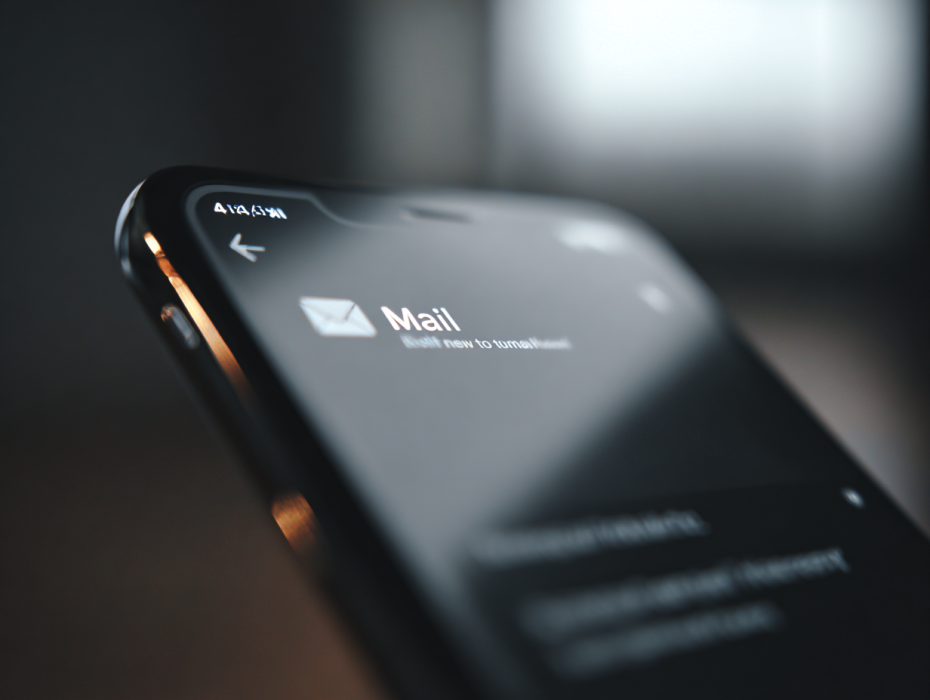
She had told herself she was lucky. That the system had worked in her favor for once. There had been no waiting. No arguing. No gate chaos. But sitting here now, she wondered if luck had anything to do with it, or if there had been some darker purpose in placing her here.
Now it struck her more than ever: no one had asked her anything. Not her preferences. Not her comfort. Not whether she even wanted to fly or be issued a refund instead. She hadn’t chosen the seat. She hadn’t chosen the flight. She had simply been placed here.
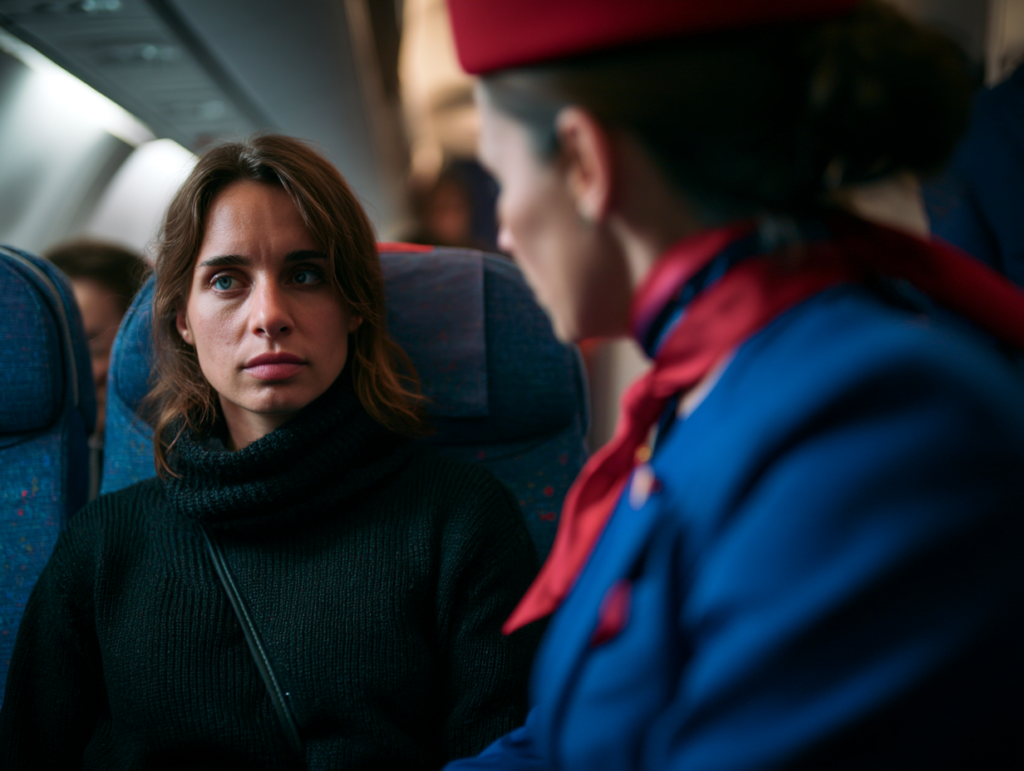
The seat number echoed in her thoughts, stripped of meaning. It didn’t feel personal. It felt interchangeable, like a placeholder waiting to be filled by the nearest available body. Alyssa glanced around, suddenly wondering what it all meant.
Her mind wandered to another incident. One of her close friends had recently been detained at the airport for hours. He had been questioned. It all turned out be nothing in the end—someone had used his identity to fly out earlier that day, and the airport system had flagged him. The incident had scared her, nevertheless.
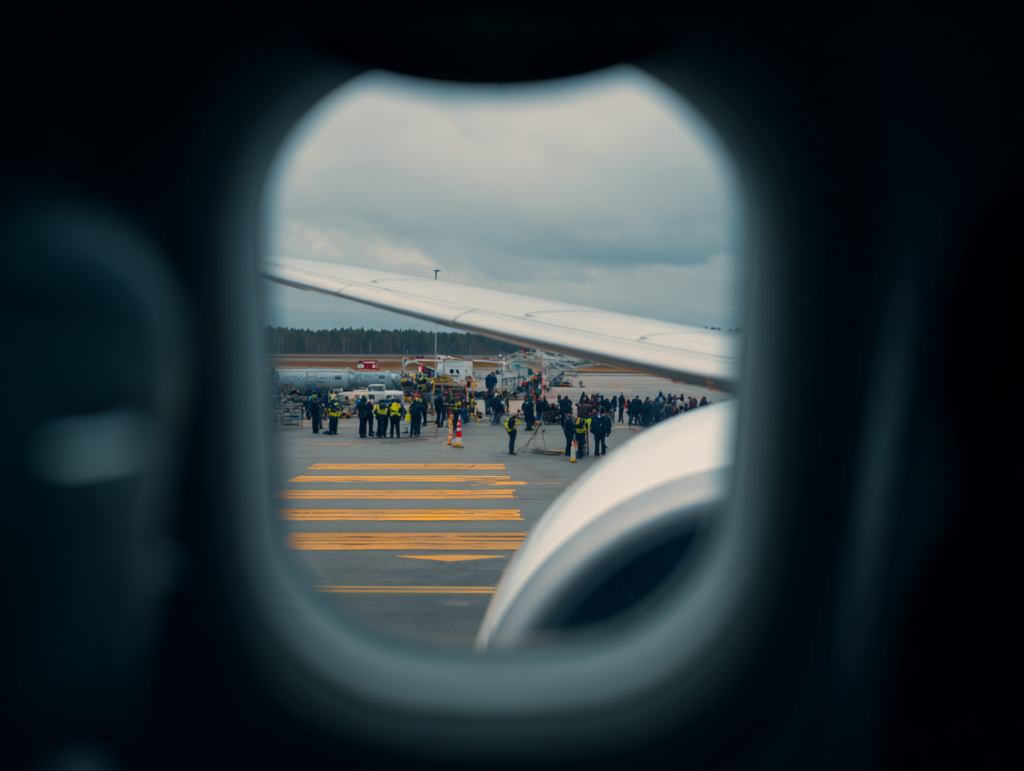
Through the window, Alyssa noticed maintenance and security staff gathered near the wing. They weren’t scrambling. They were talking quietly, pointing once, then stopping. Their calmness did not make her feel any less troubled. It suggested decisions that had already been made.
The aircraft door stayed sealed. No movement. No announcements. Just the low hum of systems running and the weight of waiting pressing down on the cabin. Alyssa sat perfectly still, the thought forming slowly, uncomfortably—what if this wasn’t a mistake at all? What if she was being targeted?
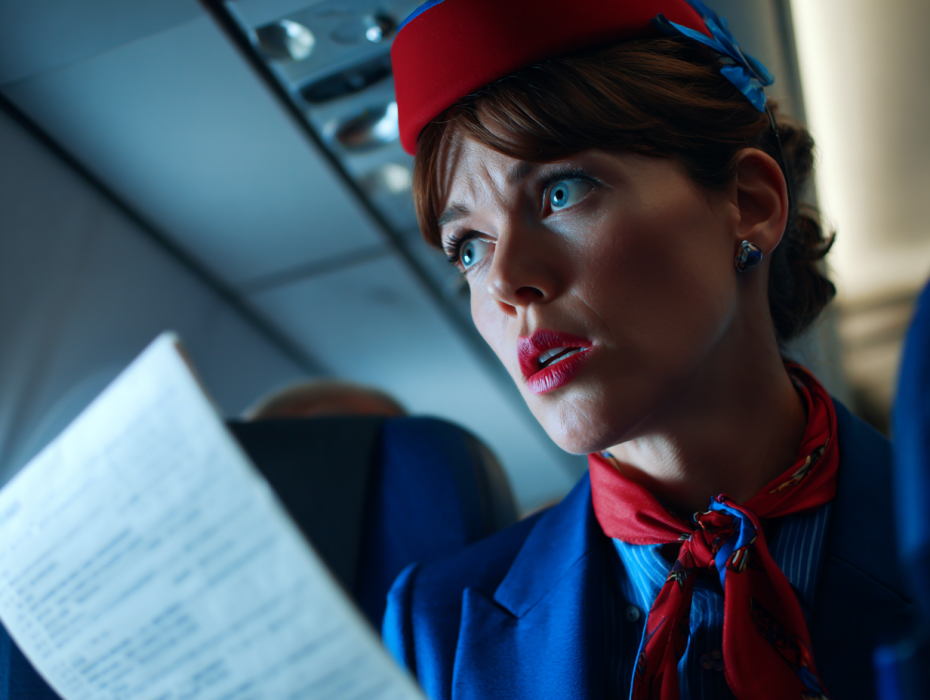
Alyssa noticed the crew moving with a new kind of purpose. Clipboards appeared where there had been none before. A manifest was checked again, right there in the aisle, mid-boarding, as if something had been overlooked the first time. The casual rhythm of preparation shifted into something sharper, more deliberate.
Sheets of paper were passed forward toward the cockpit, folded and unfolded, studied closely. Alyssa caught glimpses of files and documents, but none of them made sense to her. What unsettled her wasn’t the paperwork—it was the urgency with which it changed hands, like a problem moving closer to a decision.
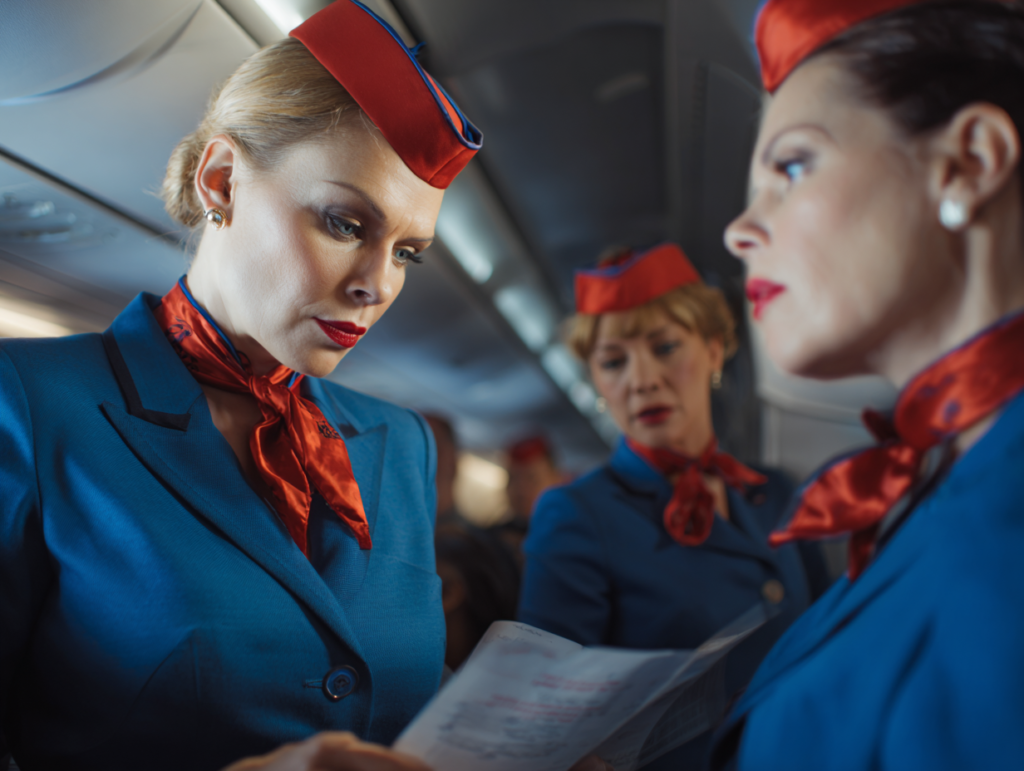
On one page, her name stood out, circled heavily in pen. Alyssa saw it for only a second before the paper was turned away, but it was enough. A cold weight settled in her stomach. Names weren’t circled by accident. What could be wrong? Why did they want her?
Near the cockpit door, two crew members leaned in toward each other, voices low and tight. Their whispering carried an edge of disagreement now, something more heated than before. Alyssa couldn’t hear everything, but the tension was unmistakable. This wasn’t routine. This was an argument.
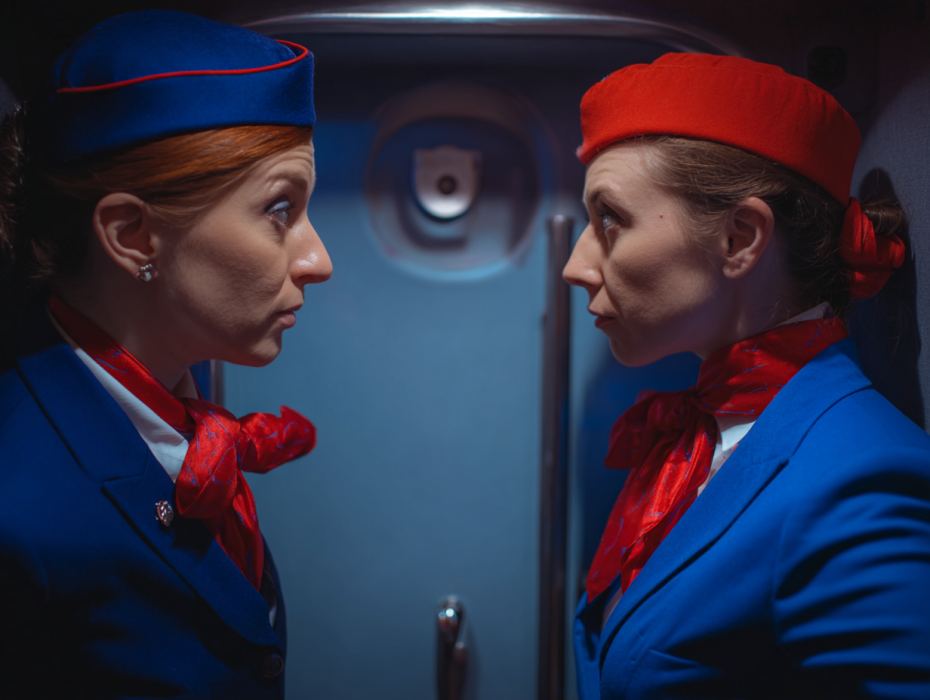
A few words drifted back to her, broken and incomplete. “Mismatch.” The phrase sounded technical, distant, but the tone behind it wasn’t. It sounded like something had gone wrong in a way that couldn’t easily be undone. What was she missing? Why wouldn’t they just tell what the issue was?
Everyone kept whispering and arguing something away from earshot. Alyssa wondered if the security of other passengers was at risk. She vaguely remembered instances of plane hijacking and smuggling illegal stuff onboard and shuddered. Was someone framing her, perhaps?
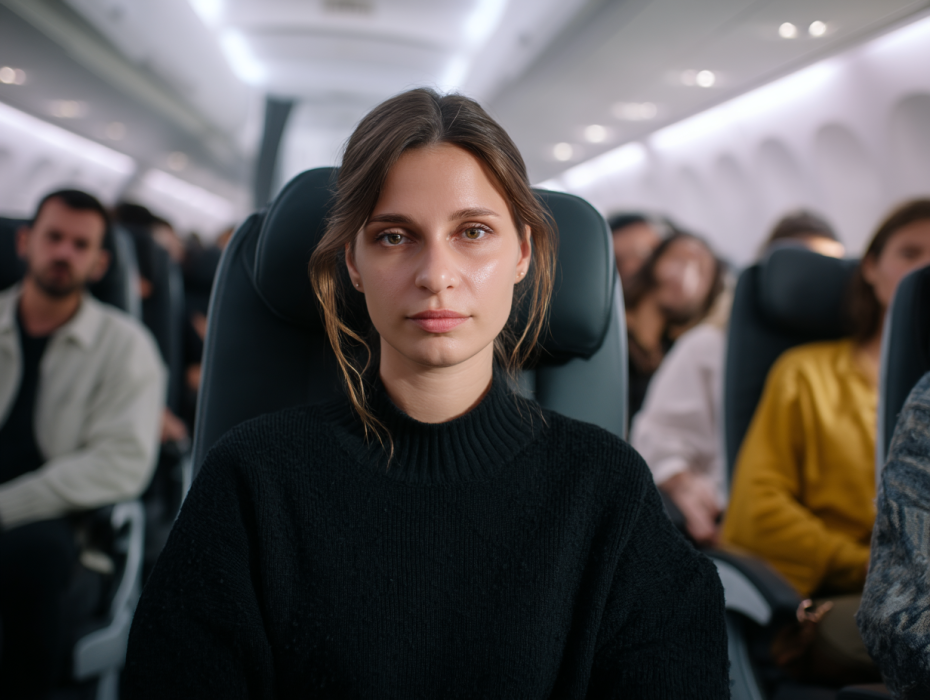
Another voice responded, quieter but firmer. “It can’t happen.” The words made no sense to Alyssa, yet they landed with strange weight. As she waited, all the worst thoughts crowded her mind with unnamable fear and panic.
Someone else added, almost reluctantly, “We wait until they give us a final clearance on her.” The way it was said made Alyssa’s chest tighten. She seemed to be some bizarre problem to be solved. Were they mixing her up with someone? Were they considering her a threat to the others?
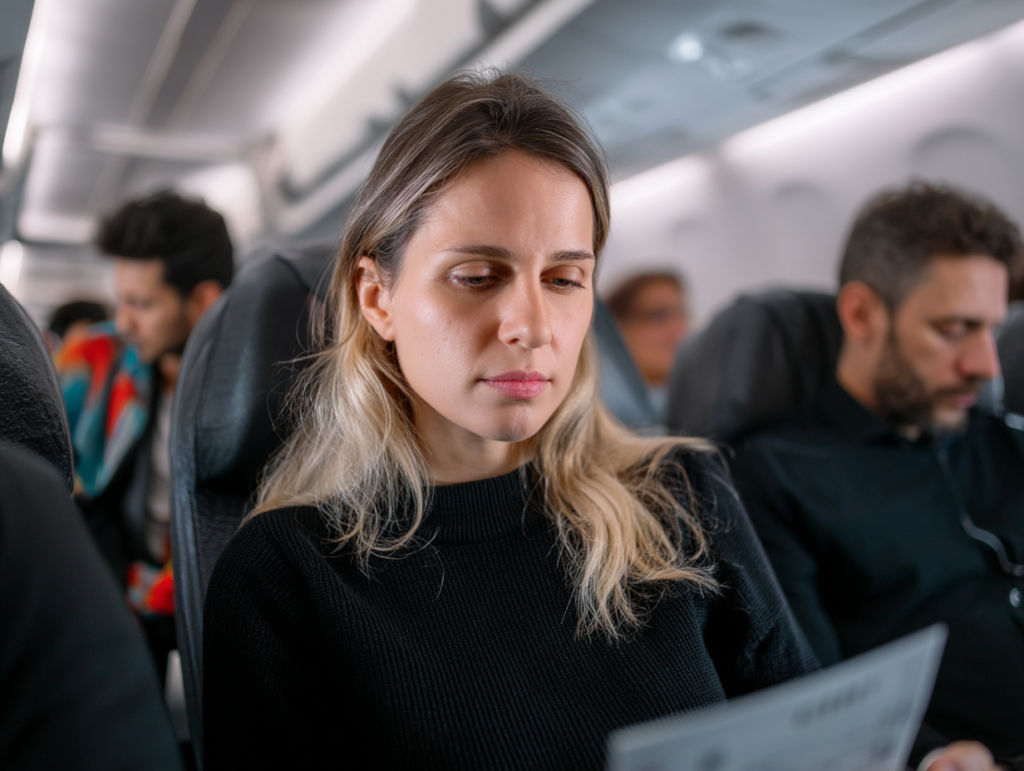
To allay her nervousness, she pulled the safety card from the pocket ahead of her. It slid out stiffly, untouched, still crisp at the edges. She, finally, slid it back. That’s when the first sour-faced attendant came and told her, “Ma’am, you will need to get off. Immediately. ”
What struck her most was the strange glances in her direction—accusing stares. Some of the passengers were also regarding her strangely. Alyssa felt singled out, as though she had committed some crime. She was also beginning to feel angry. What was the issue, and why was she not being told upfront?
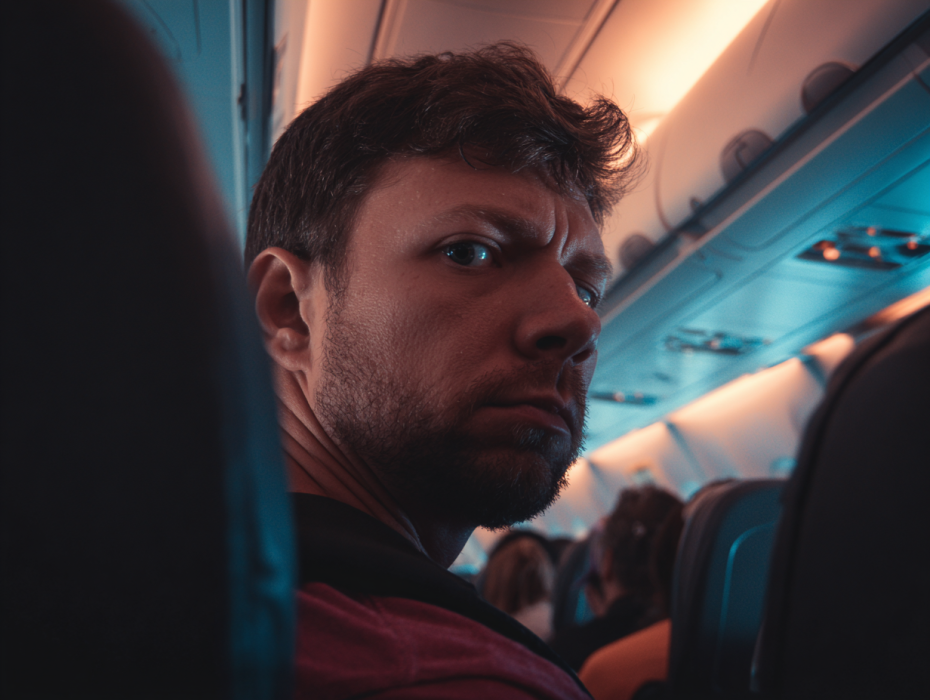
Once her panic subsided, and she regained her breath and composure, Alyssa said as calmly as her voice would allow, “All my papers are in order. I have been reassigned after my first flight was cancelled without any notice. Please explain, or I refuse to move.”
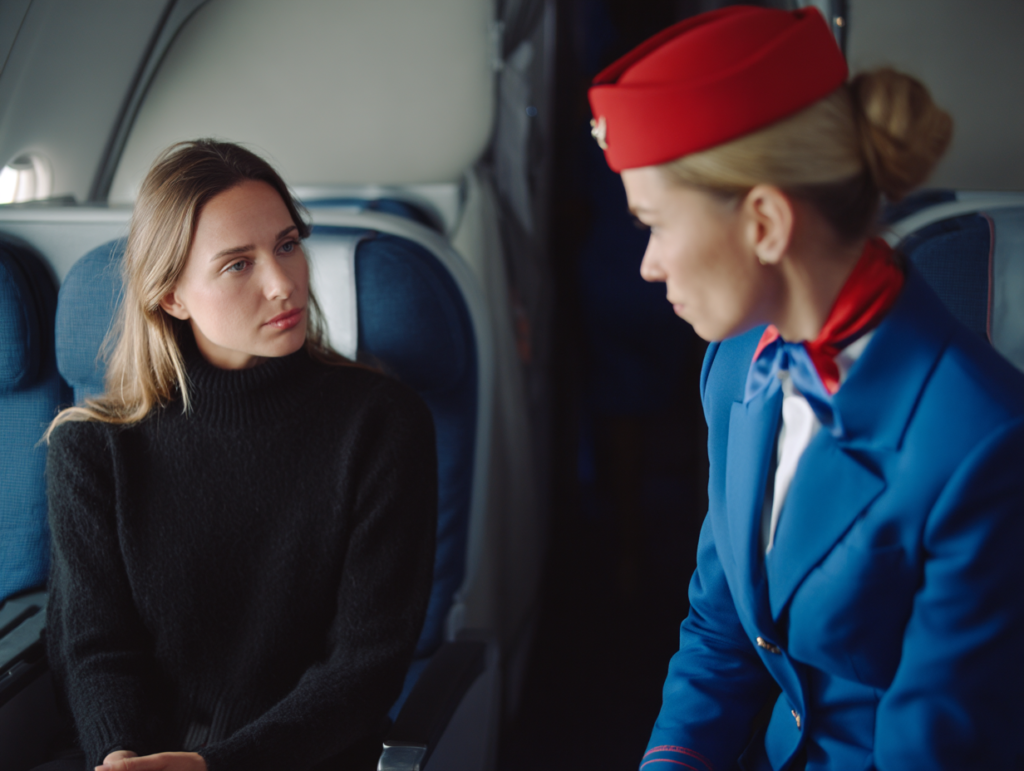
Finally, after what seemed like ages, the flight attendant knelt beside Alyssa’s seat, lowering herself to eye level. Her voice was calm but strained, carefully controlled, as if every word had been weighed before being spoken. “I can’t tell you everything right away, ma’am, but please hold on,” she said, her eyes flicking briefly toward the cockpit.
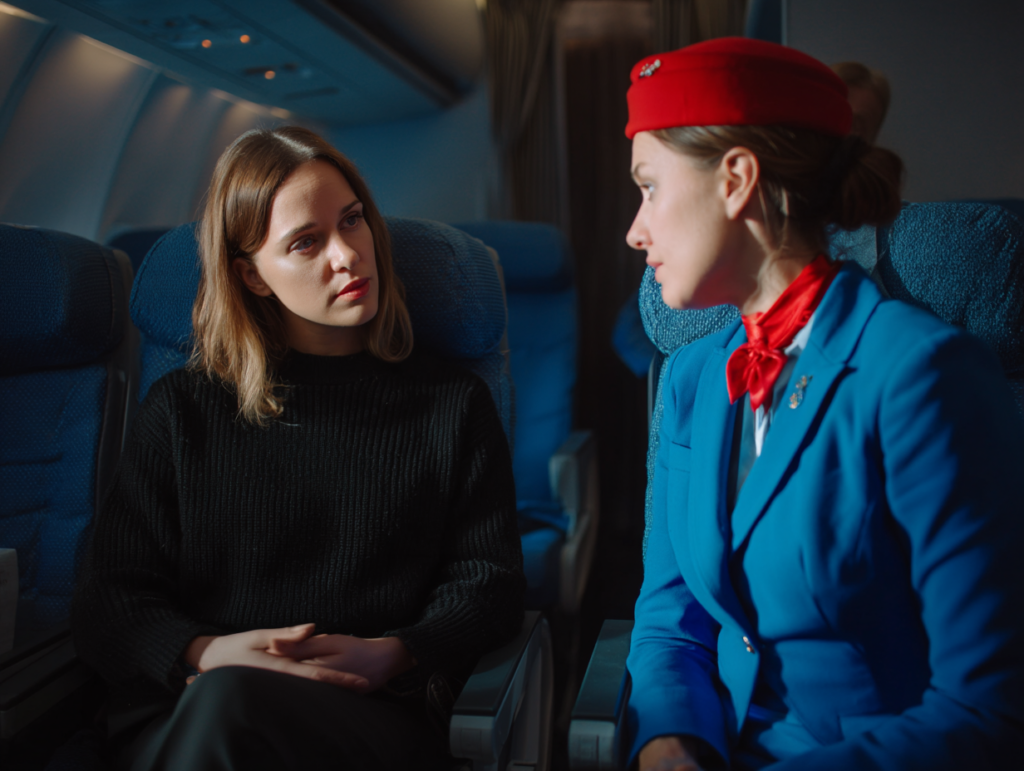
She paused, then continued, choosing her words with visible care. “The seating has been changed a little on our recent flights.” The statement landed awkwardly, unfinished, as though Alyssa were supposed to understand something that hadn’t yet been explained.
“We can’t understand how you made this booking.” The attendant added quickly, “Of course, it must all be a mistake.” She said it like a correction, or a clarification meant to soften the impact. It didn’t. The distinction only made the situation feel more unreal. Alyssa’s tired mind couldn’t process it. Alyssa asked, “Mistake? How?”
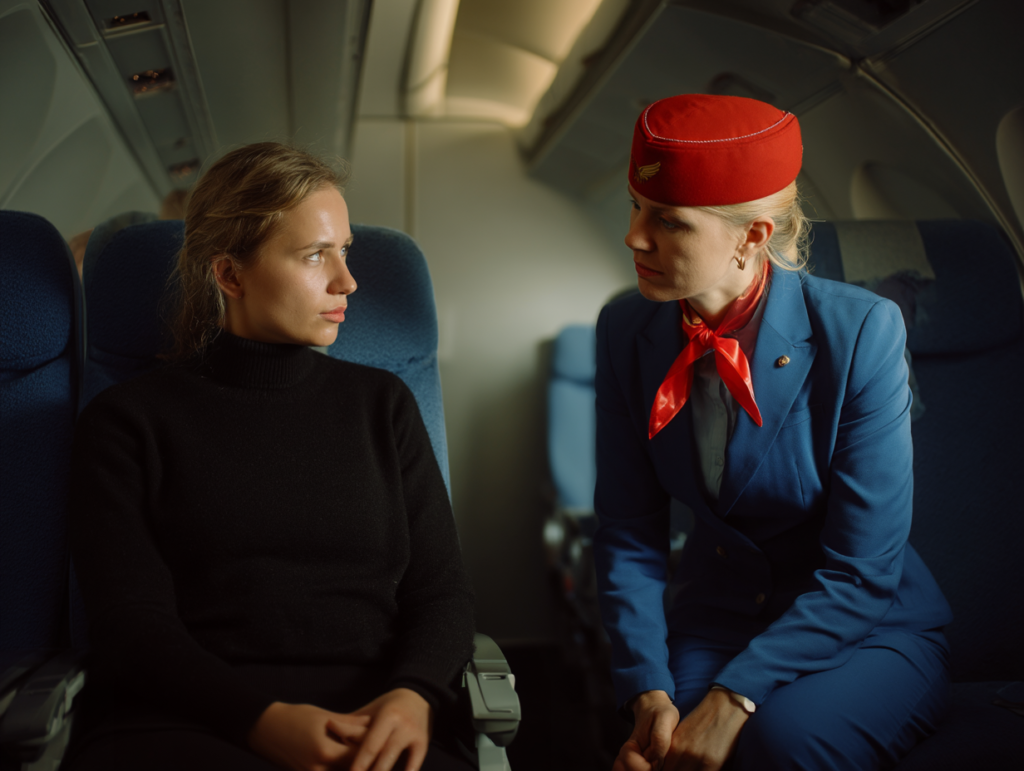
The flight attendant simply held Alyssa’s gaze, her expression steady and unmistakably serious, as if daring her to dismiss it. She said, “Let’s just wait for the captain to finish his announcement, and then I’ll explain more fully.” She walked away, promising to return.
The plane shuddered suddenly, a low vibration rippling through the floor as auxiliary power cycled. Lights flickered almost imperceptibly. A few passengers glanced around, unsettled, then returned to their phones. Alyssa stayed frozen, certain now that whatever was wrong wasn’t going away.
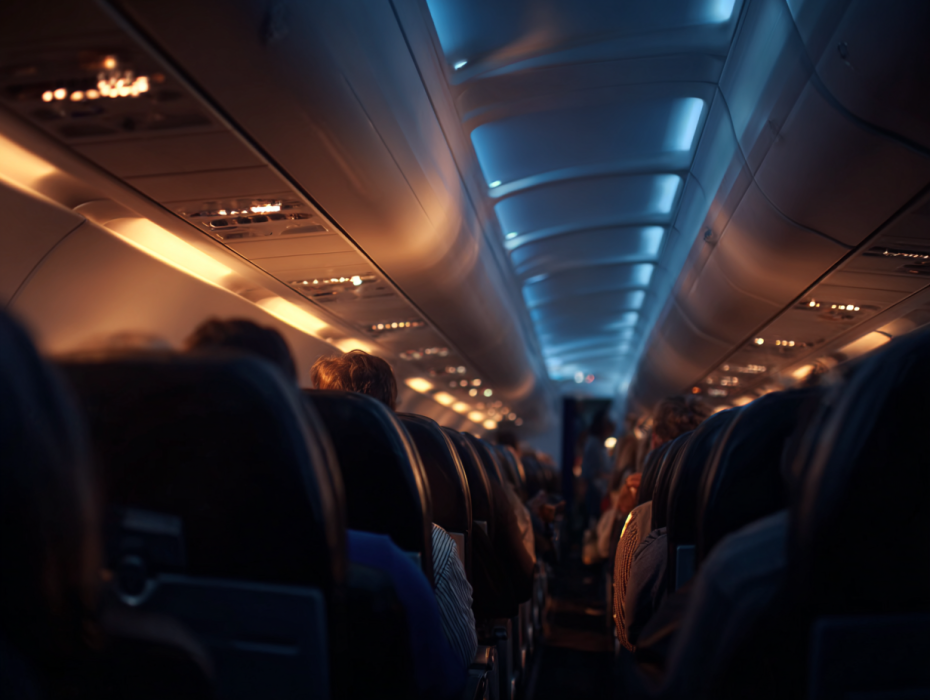
The captain’s voice returned, still calm but more deliberate now. He announced a further delay, explaining that some formalities were being completed before departure. The word lingered in Alyssa’s mind—formalities. What formalities had to be completed at this stage?
He added that the weather at their destination was changing. The safe arrival window was narrowing. Alyssa pictured a door slowly closing somewhere far ahead, invisible to passengers but very real to the people responsible for getting them there.
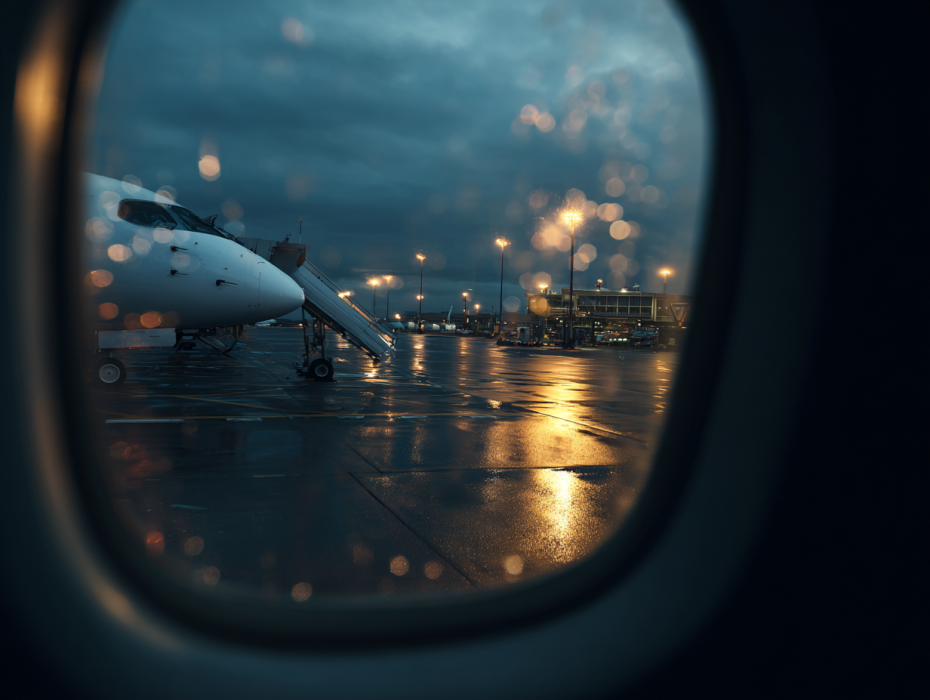
It seemed that if they waited too long, the flight would be grounded overnight. Alyssa wondered if this was really true or if it was an alibi for them to gain time and decide what to do with her. She still felt panicky.
The flight attendant returned once more, crouching low beside Alyssa’s seat. This time, her voice softened, stripped of urgency and fear, replaced by careful honesty. “I need to explain something, ma’am,” she said quietly, again glancing toward the cockpit before continuing.
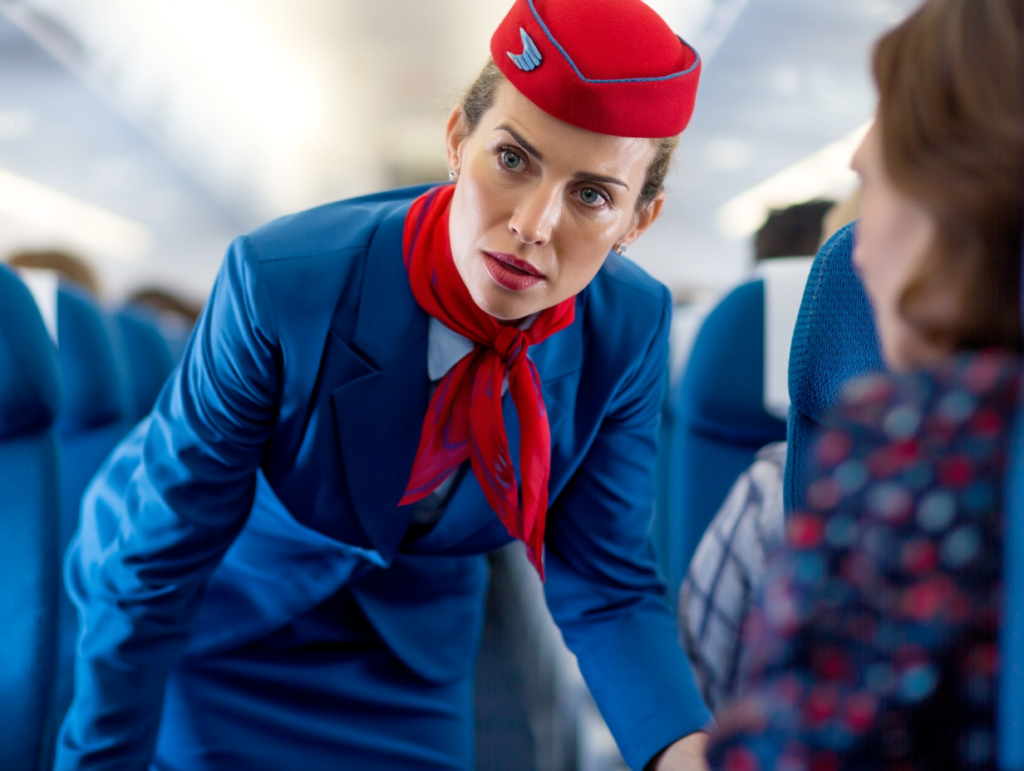
“There was an incident,” she began. “Months ago.” The way she said it made clear this wasn’t recent, but it also wasn’t forgotten. It lived on, quietly, inside procedures and revisions and rules that still shaped decisions like this one.
“It wasn’t dramatic,” she added. “It wasn’t an explosion or fire.” She hesitated. “But it was fatal to the flight.” The word landed heavily, filling the space between them. Alyssa felt her breath catch, the cabin suddenly too small to contain that truth. What did she mean?
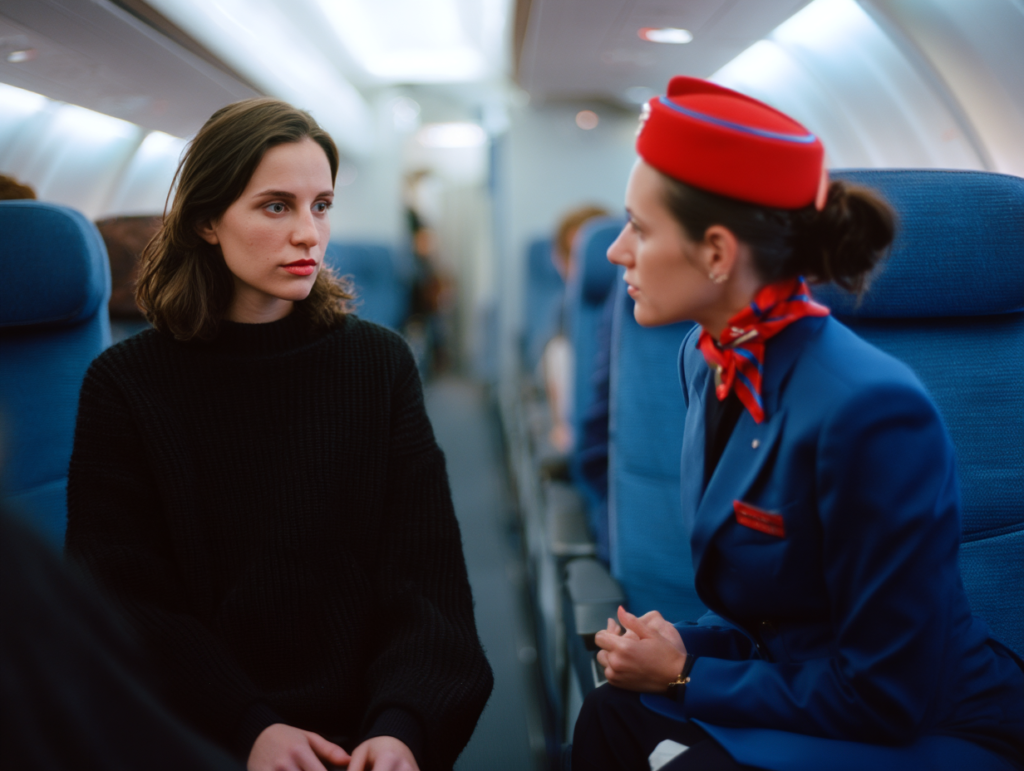
“It involved this same aircraft type,” the attendant continued, her voice steady but strained. “And the same seat position.” She didn’t point, but she didn’t need to. Alyssa felt the implication settle around her like a tightening band.
“That seat, the one you somehow ended rebooking, was removed afterward,” she said. “From layouts. From diagrams. The idea is to eventually remove it physically, too. Only, that would take some time.” It sounded thorough. Final. As if the problem had been erased, at least on the surface.
“But the reservation system,” she went on, “didn’t get the message somehow. Or rather, in case of a last-minute reservation such as yours, this problem has arisen.” Her mouth tightened slightly. “It rebuilt the seat on its own.” The idea felt wrong, as if something buried had found a way back.
“Digitally, the seat shouldn’t exist, but your booking has picked it up,” the attendant said. The seat had been resurrected by code, not intention. Alyssa pictured it appearing line by line, a ghost formed of data, assigned to her without hesitation or warning.
“The plane can fly now,” the attendant said quickly, as if anticipating Alyssa’s fear. “But not safely with the load distributed as it is.” She didn’t say the word you, but it hovered there, unspoken and unavoidable.
“Your seat,” she finished, “should never have been occupied as per the newly recalculated weight of the plane. It’s a system glitch.” The sentence hung between them, final and irrevocable. Alyssa felt a strange calm settle in, the kind that arrives only when uncertainty finally gives way to truth.
Alyssa understood then why no one wanted to say it outright. Saying it made it real. Saying it turned a quiet system failure into a human decision with human consequences. She also knew it was the holiday season, and the scarcity of seats meant nobody wanted to be accountable to another disgruntled passenger.
On the other hand, if something happened after takeoff, responsibility would matter. Reports would be written. Questions would be asked. Names would be attached. No one wanted to be the person who knowingly allowed the wrong thing to stay in place.
Alyssa also realized with sudden sympathy that the crew wasn’t to blame. They hadn’t created the problem. Alyssa could see that now. They had inherited a problem, trapped between a system that didn’t feel and a reality that did.
They had discovered it too late—after the boarding, sealing the doors, and moving people like pieces until one refused to fit. As the attendant had explained, there was a real danger, and they didn’t have a precedent for what to do under the circumstances.
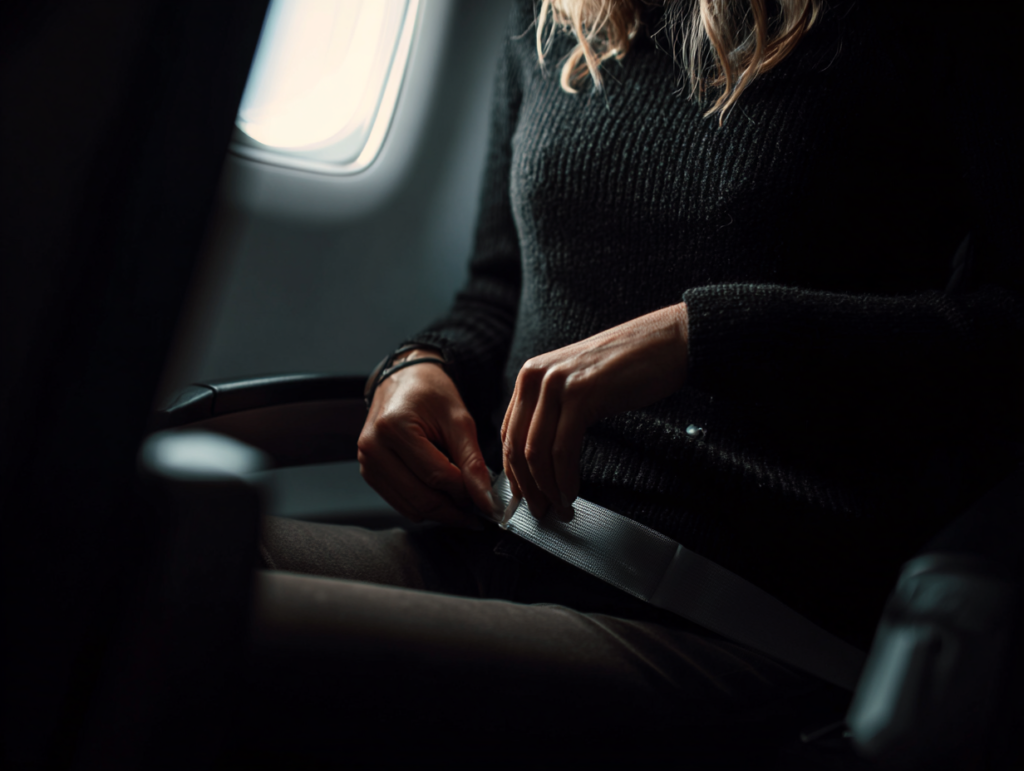
Alyssa reached down and unbuckled her seatbelt slowly, the click echoing louder than it should have. Every movement felt deliberate now, weighted with meaning. She knew that she had no other choice. Of course, she wanted to go home, but not at the risk of jeopardizing the lives of everyone onboard.
She stood and stepped into the aisle. Heads turned as she walked forward, past rows of watching faces. She walked quickly, sighing both in desperation and relief. Relief at knowing the reason at last and irritated that now she’d need to do another booking and figure out the logistics.
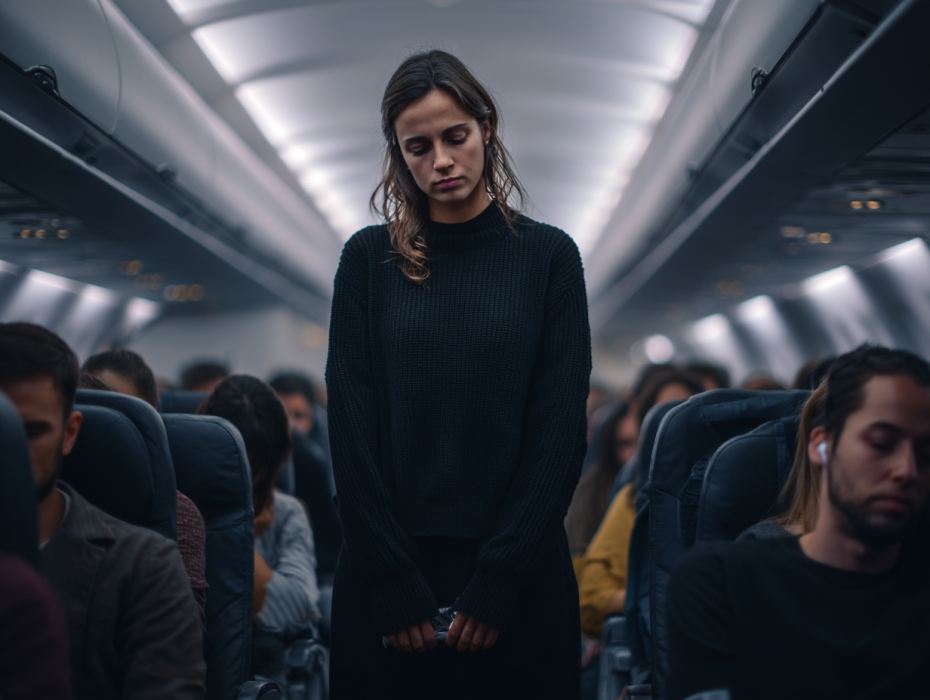
The aircraft door reopened with a muted hiss, and a rush of cold air swept through the cabin, sharp and real. Alyssa stepped back onto the jet bridge without looking behind her. The door closed again just as softly, sealing the plane away as if she had never been part of it.
The flight departed late. It was just a delayed pushback and a quiet takeoff into the evening sky. Alyssa watched from the terminal window as the plane lifted smoothly, safely, carrying everyone else onward without further incident or explanation.

Weeks later, Alyssa heard about it indirectly. Not from the airline at first, but from a clipped article shared online, then a hushed mention in an aviation forum. A quiet correction. A seat number that no longer existed. When the airline finally emailed her, the message was brief and careful.
They apologized for the inconvenience caused to her and credited her account with vouchers and upgrades for future flights, and a polite thank-you for her “flexibility.” Alyssa acknowledged everything with a polite reply.

She sat back, thankful for the flight attendant who had noticed the anomaly and pointed it out in time. Though it had been no small trouble finding and rebooking a flight seat in the thick of the holiday season, Alyssa learned that some delays were life’s way of taking care of you.