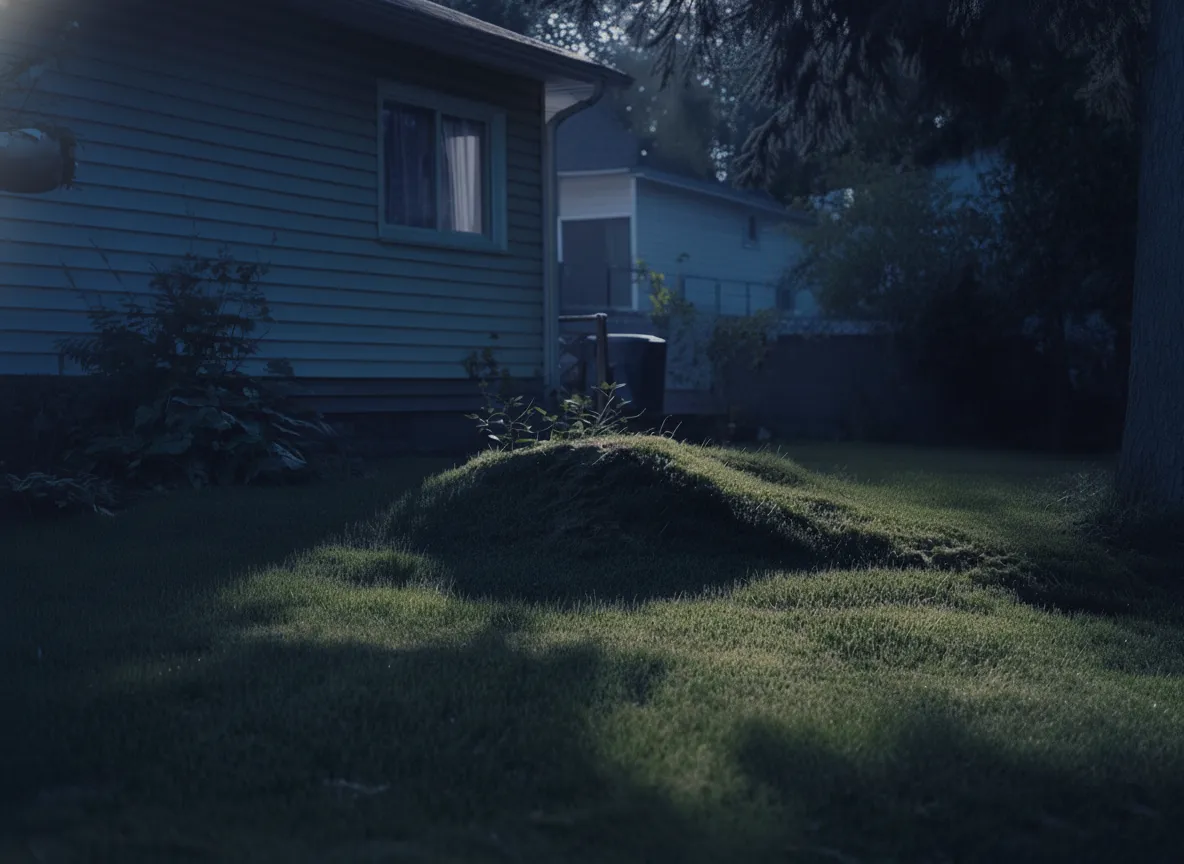
Walter Finnegan froze mid-step, staring at the familiar lump behind his shed. After the long winter melt, it looked higher again—just enough to unsettle him. Marie insisted he imagined it, but he knew the yard too well. Something beneath the soil was pushing upward, year after year.
He had dug there a decade earlier, back when they first bought the place. Several feet down, he’d found nothing but tangled roots and damp earth, so he’d shrugged it off as an old tree stump lost to time. But the mound kept rising, slow and stubborn, defying explanation.
On a warm spring morning, curiosity finally outweighed patience. Walter grabbed his shovel, stepped into the soft ground, and dug deeper than ever before. The blade scraped something unnervingly solid. Then came a sharp metallic clang, so out of place in the quiet yard that it stopped his breath cold.
Ten years earlier, Walter and Marie had traded the relentless hum of city traffic for the quiet promise of suburban life. Their new home sat on a peaceful street lined with young families and gentle breezes. It was exactly the reset they both craved after years of cramped apartments and restless nights.
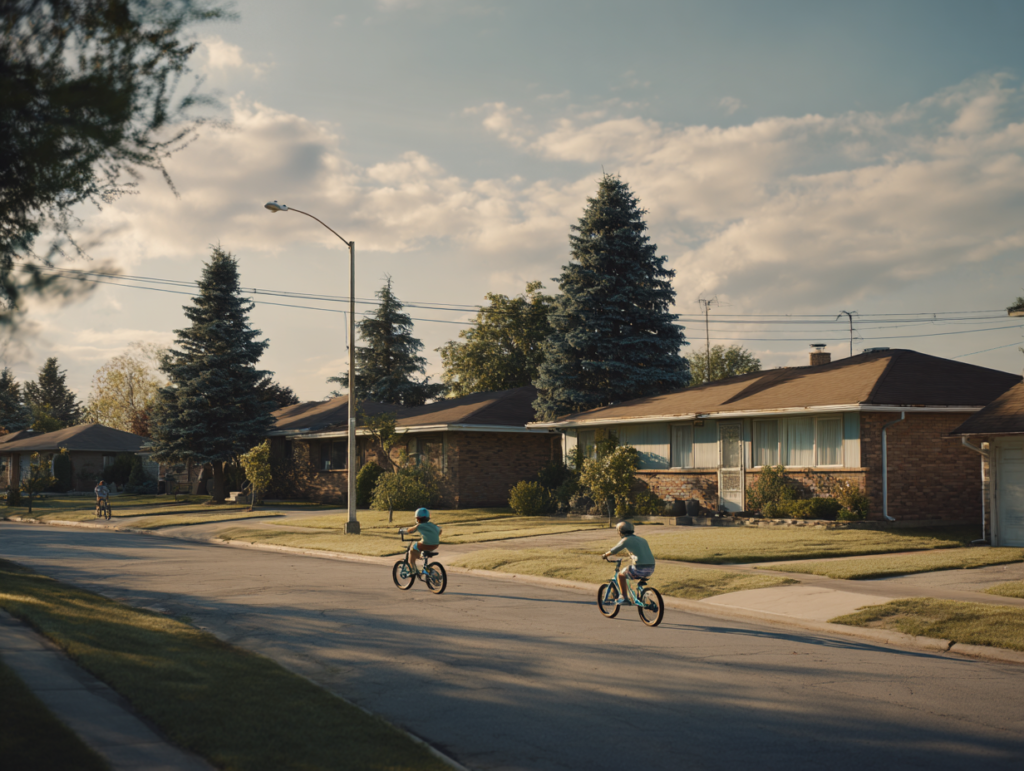
The day they moved in, Marie stood on the porch breathing deeply, as though tasting freedom itself. Walter felt the same. The stillness wrapped around them like a blessing, and for the first time in years, it felt like they’d found a place built for their future.
They wandered through the backyard that first evening, admiring the wide maple trees casting shifting shadows across the grass. The small wooden shed leaned slightly but had character. Even the odd lump near it seemed harmless. It was just another quirk of an older yard settling into itself.
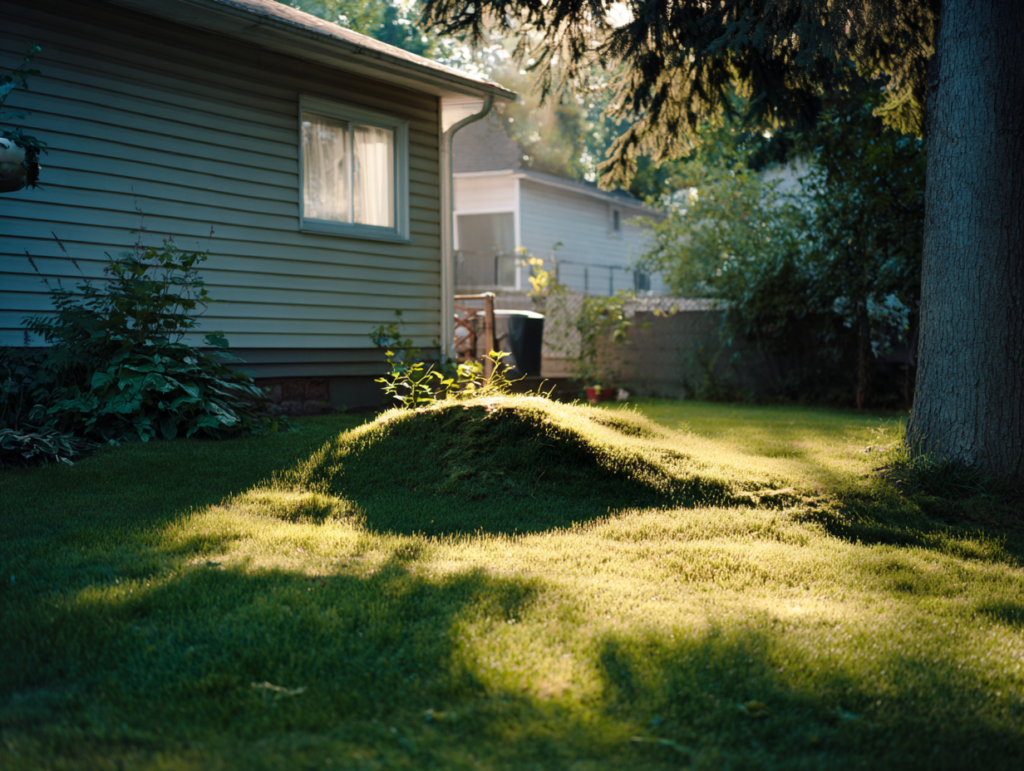
Marie joked that every house came with “one mystery mound,” and Walter laughed, already picturing garden beds and a hammock between the maples. The yard had a lot of potential. Whatever that bump was, it didn’t matter. They had bigger dreams to plant here.
Their early married life unfolded gently. Walter built raised herb beds while Marie chose paint colors that brightened every corner of the house. Weekends smelled of rosemary and sawdust. They adopted a rescue dog, Jasper, who followed them everywhere, tail thumping happily against cabinet doors.

Those first months wore an easy rhythm—long walks, shared dinners, plans whispered late at night about children and future renovations. The house became theirs in layers: scraped wallpaper, new curtains, and scuffed floors from the dog learning how to chase toys without wiping out.
Once, driven by curiosity, Walter decided to investigate the mysterious mound. Armed with a shovel and optimism, he dug down several feet, expecting at least a root cluster or buried junk. But the soil revealed nothing except ordinary earth. There was no explanation, secret, or anything else.

Marie watched from the porch, amused as Walter wiped sweat from his forehead and shrugged. “Just a stubborn stump from some chopped-off tree,” he declared, filling the hole back in. They laughed about it over lemonade, treating the mound as a harmless eccentricity of their new home.
By the time evening fell, the mystery had already slipped from their minds. Life offered too many real things to focus on—jobs, friends, routines, and dreams. The lump was just background scenery, an odd detail swallowed by the comfort of building a life together.

Years drifted by in a comforting blur. They hosted barbecues under string lights, their dog chased squirrels with dignified determination, and Marie tended flowerbeds that flourished in bursts of color. Walter settled into routines that felt like evidence of a life finally unfolding the right way.
They learned the neighborhood rhythms: which families biked on weekends, which kids rang the bell selling cookies, and which retirees held court on their porches every evening. Everything about the place felt stable and dependable—an anchor they didn’t realize they’d needed so badly, especially when they realized they could not have kids.

The backyard, once a blank slate, became an extension of their lives. Garden stakes multiplied, the shed received a fresh coat of paint, and evenings often ended with them sipping wine on the patio. The only thing that never blended in was the silent lump near the shed, something their dog, Jasper, would always avoid
Every spring, Walter noticed it again. Just slightly taller. Slightly wider. Marie teased him gently, calling it his “annual obsession,” but Walter couldn’t shake the sense that something about it was different each year, as though it kept pushing upward on purpose.
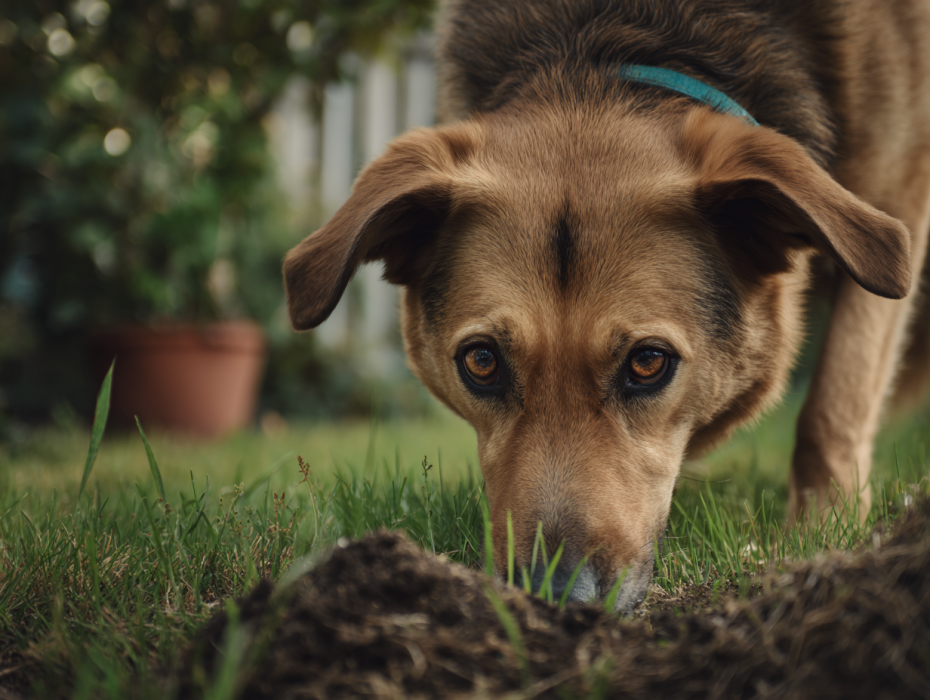
Some years, the change was barely noticeable—a few extra inches, perhaps. Enough to make him tilt his head, but not enough to justify digging again. Other years, however, the mound seemed unmistakably larger, rising with the thaw like something stretching beneath blankets.
Marie said it was soil shifting, nothing more than a natural geographic phenomenon. The yard aged like everything else. But Walter felt a simmering unease, a faint instinct telling him the ground shouldn’t behave this way, not this consistently or deliberately. Something was off, even if he couldn’t explain it.

By the eighth year, the feeling had grown with the mound itself. He would catch himself glancing at it from the kitchen window, sensing something watchful in the grass. It was ridiculous to speak aloud. It was just dirt, but the unease scratched at him steadily. Jasper still never went anywhere near it.
Sometimes, on quiet nights, Walter had the strange sensation that the mound was waiting. For what exactly, he couldn’t say. But the feeling lingered long after he looked away, settling in his chest like a question he wasn’t ready to answer.
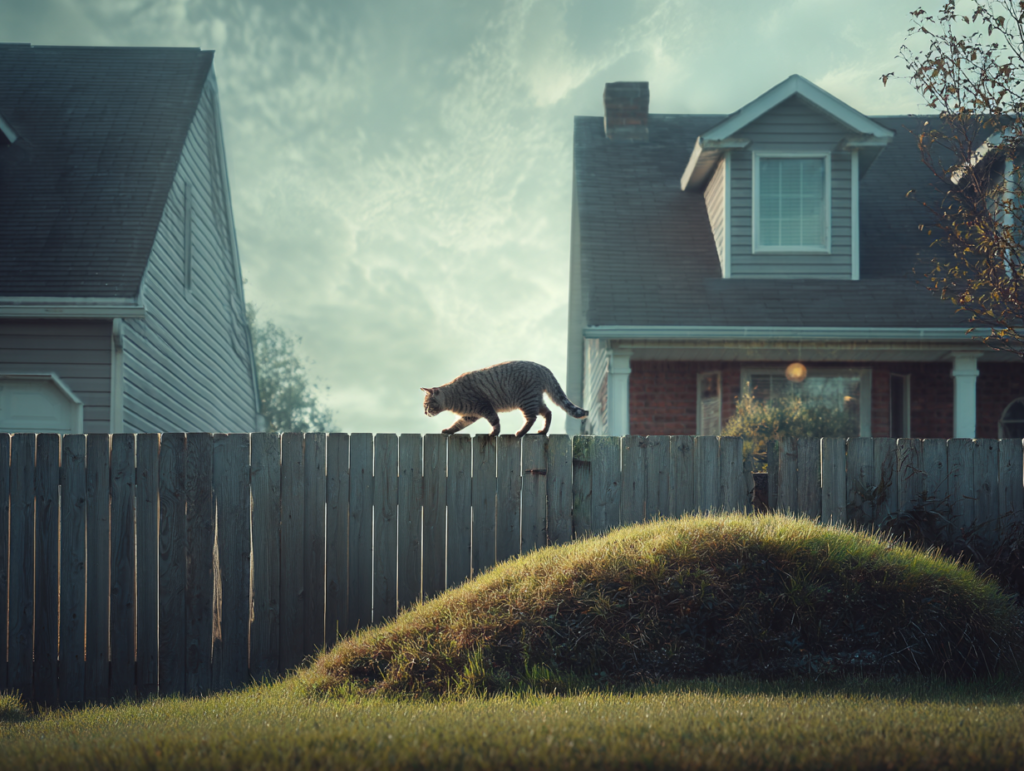
Walter started noticing something strange. Not just Walter, but other animals were giving the mound a wide berth. Jasper circled around it rather than stepping across it, and neighborhood cats moved along the fence line instead of cutting through the grass. Even birds seemed to avoid pecking near that patch of earth.
And it was not just that—the grass behaved strangely there. While the rest of the lawn grew thick and lush, the area around the mound sprouted in uneven, patchy tufts. Some weeks, it browned inexplicably, as though the soil beneath it carried a temperature all its own.
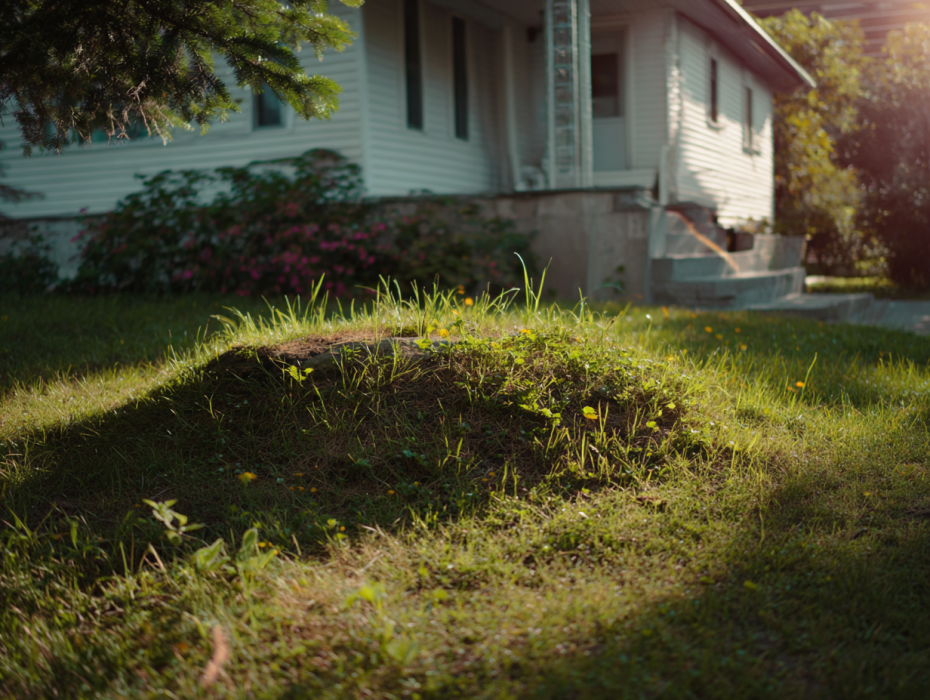
He tested the sprinkler system, checked for pests, and even tried reseeding by hand, but nothing changed. No matter what he did, the ground responded with the same stubborn irregularity. It was as if the earth was resisting his attempts to normalize it.
One afternoon, Walter asked a neighbor if she remembered anything unusual about the property’s yard. She paused, puzzled, then shook her head. “Never heard anything odd,” she said. “Looks like every other backyard to me.” Her answer left him more unsettled than reassured.

He tried again with another neighbor who had lived there longer. That man shrugged, too. “These houses are old. Lots of quirks in the soil. Probably just roots shifting.” But Walter had already ruled that out years ago. The dismissal didn’t sit right with him.
The third neighbor simply waved a hand toward the trees. “Ground moves here. Frost, clay… who knows? Don’t lose sleep over it.” Walter nodded politely, but the casual tone irritated him. Something was happening beneath that mound—something no one seemed interested in understanding.

Finally, he spoke with Mr. Hollis, the oldest resident on the block. The man squinted toward the yard as if peering back through decades. “ I know your place once belonged to a quiet fellow,” he said slowly. “Kept to himself. Quiet as a shadow, that one. Sorry, can’t help you with the mound, I suppose.”
Walter leaned in, hoping for more, but the old man shook his head. “Didn’t cause trouble, didn’t chat either. Mowed his lawn, had a family, and vanished into the house after dark. Can’t say I ever really knew him.” The vagueness only deepened the mystery.
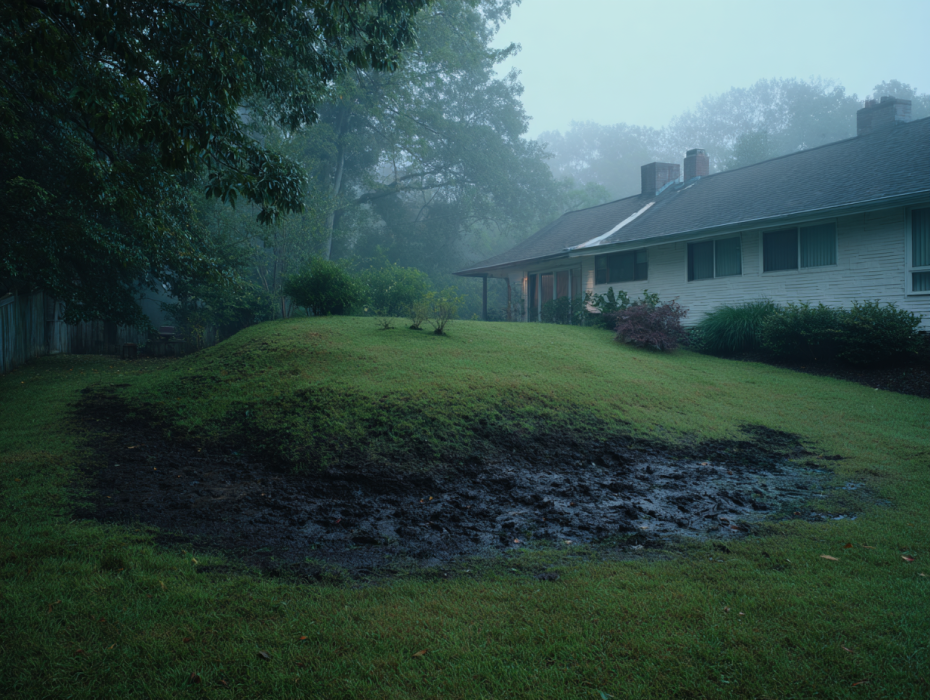
A heavy storm arrived late that summer, drenching the yard and sending thick rivulets of water along the shed. The next morning, Walter stepped outside and froze. One side of the mound had eroded, revealing a glimpse of something dense and strangely smooth beneath the soil.
The exposed surface was too uniform to be rock or root. It looked deliberately manufactured. A chill threaded through him as he knelt, brushing the wet dirt away with trembling fingers. Whatever lay beneath the mound wasn’t natural, and the earth could no longer hide it.
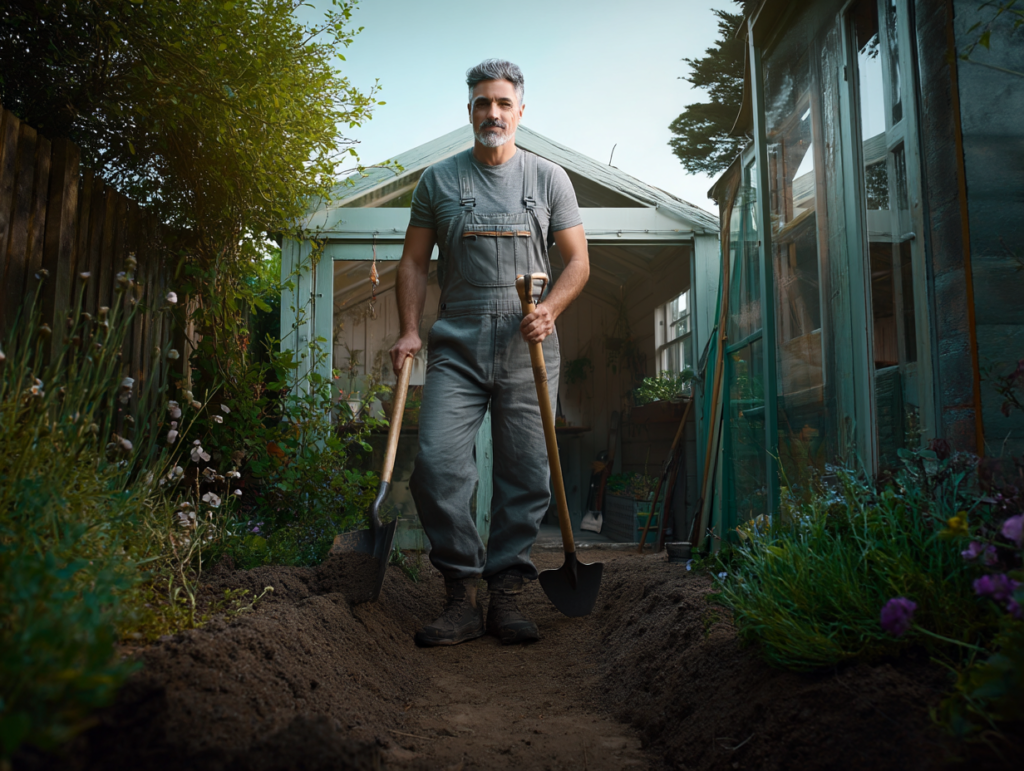
When spring finally returned, Walter decided he couldn’t ignore the mound any longer. It looked larger than ever, waiting to burst. He marked a weekend on the calendar, set out his tools, and resolved to dig until he found an answer. The thawed ground felt softer, as though inviting investigation.
Marie watched him from the kitchen window, worry creasing her brow. She reminded him they had other projects—fixing the gutter, repainting the hallway—but Walter shook his head. The mound had become a promise of truth he could no longer postpone.
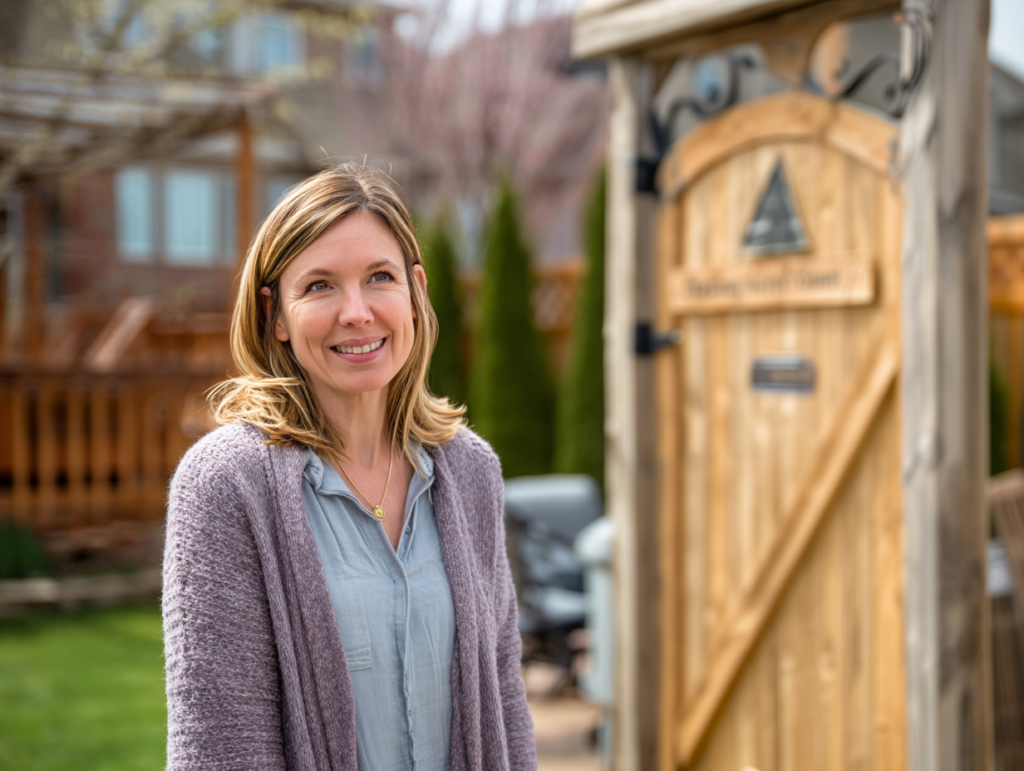
That morning, Marie stepped outside and quietly asked him to be careful. “What if it’s something dangerous?” she murmured. “Old pipes, chemicals buried decades ago…what if they’re reacting. Who knows what people used to dump in their yards?” Her voice carried a tremor she tried to disguise.
Walter squeezed her hand and gave a thin smile. “I’ll stop if I find anything unsafe,” he assured her, though a knot of anxiety tightened in his own stomach. Despite her concerns, he felt compelled, even driven, to uncover whatever was hidden beneath their peaceful life.

Marie lingered for a moment longer before heading back inside, glancing over her shoulder twice. Walter knew her caution came from love, but her unease only sharpened his focus. The mound had waited long enough. Today, he would finally confront it.
He drove the shovel into the soil, cutting deeper than he ten years earlier. Layers of earth peeled away: damp topsoil, compacted clay, gritty sediment. Each slice sent vibrations through the handle, echoing up his arms like a steady, growing heartbeat.
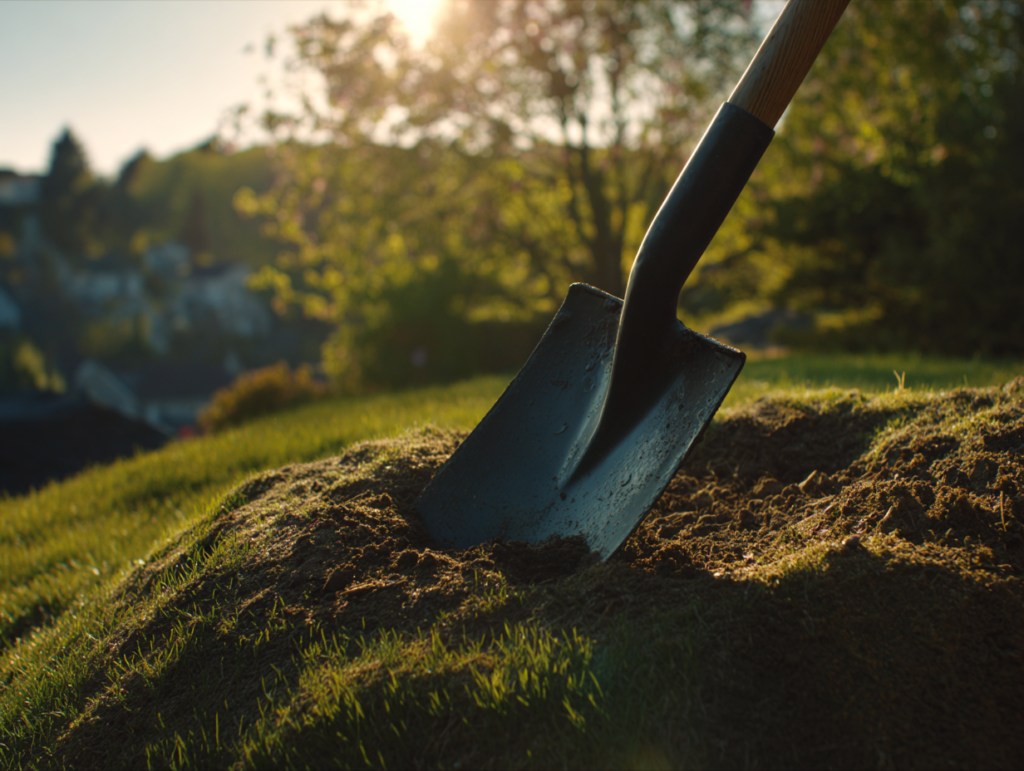
As he dug, he noticed the soil composition shifting. Beneath the darker layers, lighter sediment appeared—crushed stone, pebbles, small pockets of air as though something had displaced the earth repeatedly over the years. It only strengthened his sense that the mound had been rising for a reason.
He widened the hole, sweat gathering along his back despite the cool spring air. The deeper he dug, the more unnatural the soil looked, as if it had been disturbed and resettled countless times. His pulse quickened with each downward thrust of the shovel.

Then, just as he leaned in for another strike, the shovel jolted violently in his grip. The blade had hit something solid. It was something that didn’t give or crumble. The impact sent a metallic note ringing faintly through the air.
This time, the sound was unmistakably hollow, echoing through the ground in a way that made his skin prickle. Walter froze, heart hammering, realizing the mystery he’d lived beside for a decade was about to reveal itself, whether he was ready or not.
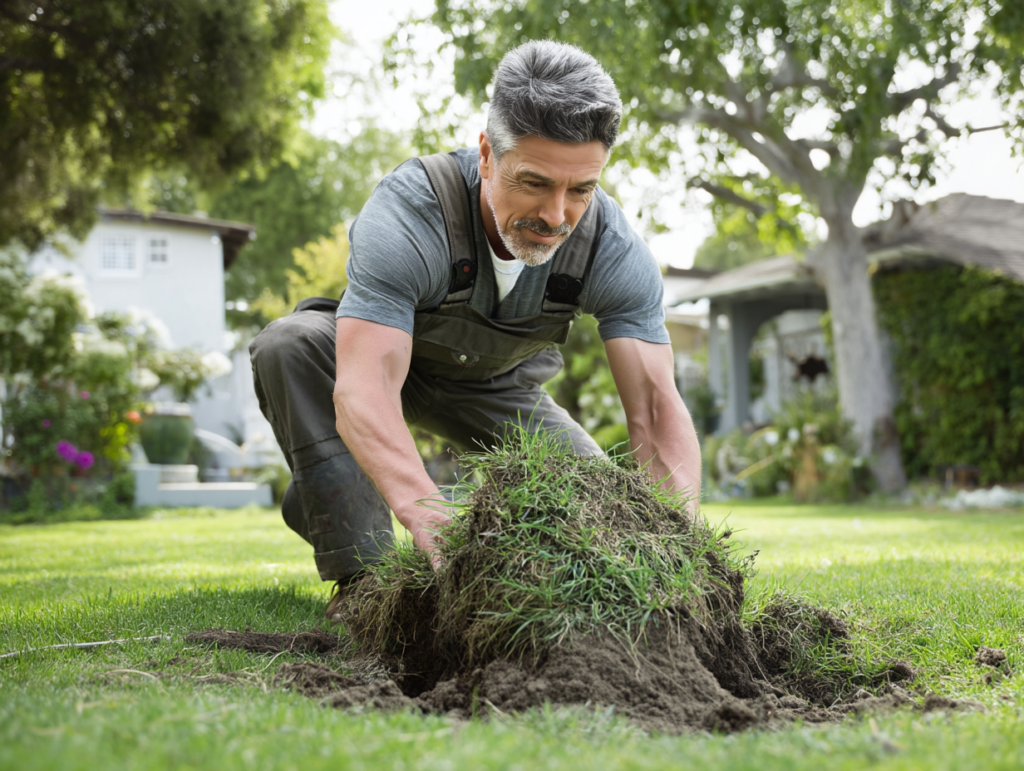
Walter knelt beside the newly exposed surface, brushing away clumps of damp soil with shaking hands. Beneath the crust of earth, a sharp corner emerged. It had a rusted edge that caught the light in a dull, reddish glint. It was unmistakably metal and certainly old.
He dug more carefully now, scraping gently around the shape. Inch by inch, more of the buried object revealed itself: rivets, seams, and a corroded hinge. The soil around it was packed tight, as though the earth had been clinging to the object for decades.
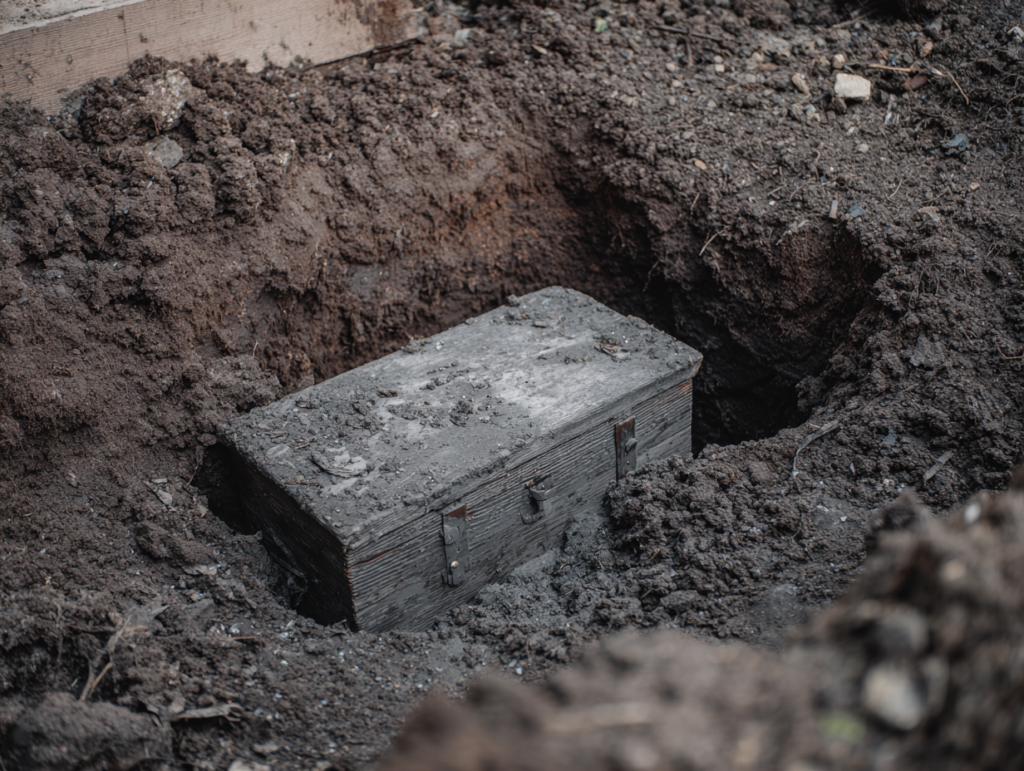
After widening the hole, Walter uncovered the full outline of a heavy chest. It was rectangular, reinforced, and unmistakably military in design. The paint, once green, had faded into mottled patches, and the metal was pitted with rust. Its latches were swollen, warped, and nearly fused shut.
He hesitated before touching it, heart pounding with the uneasy knowledge that someone had deliberately hidden it here. Still, his hands moved on instinct. With effort, he cleared the last of the soil from the top and sides, revealing a lid that looked sealed for several decades at least.
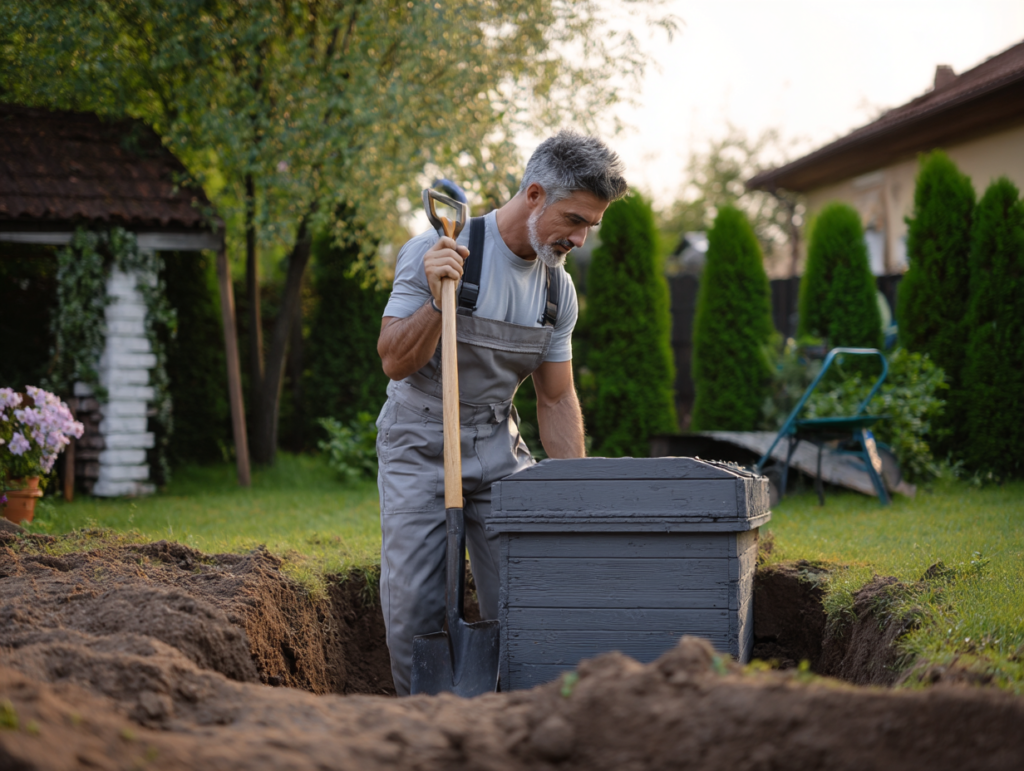
Summoning courage, Walter wedged his shovel under a corner and pried. The latch snapped with a brittle crack, and the lid groaned open. Inside lay a handgun, ammunition belts, tarnished metal, and several grenades wrapped meticulously in brittle oilcloth. Walter recoiled, breath ripped from his lungs. “Oh, God!” he muttered.
He stumbled backward so quickly he nearly slipped into the hole. His chest heaved, adrenaline spiking as he realized he’d spent ten years gardening, mowing, and walking above live explosives. The thought hollowed him out. How many summers had passed with danger inches beneath his feet?
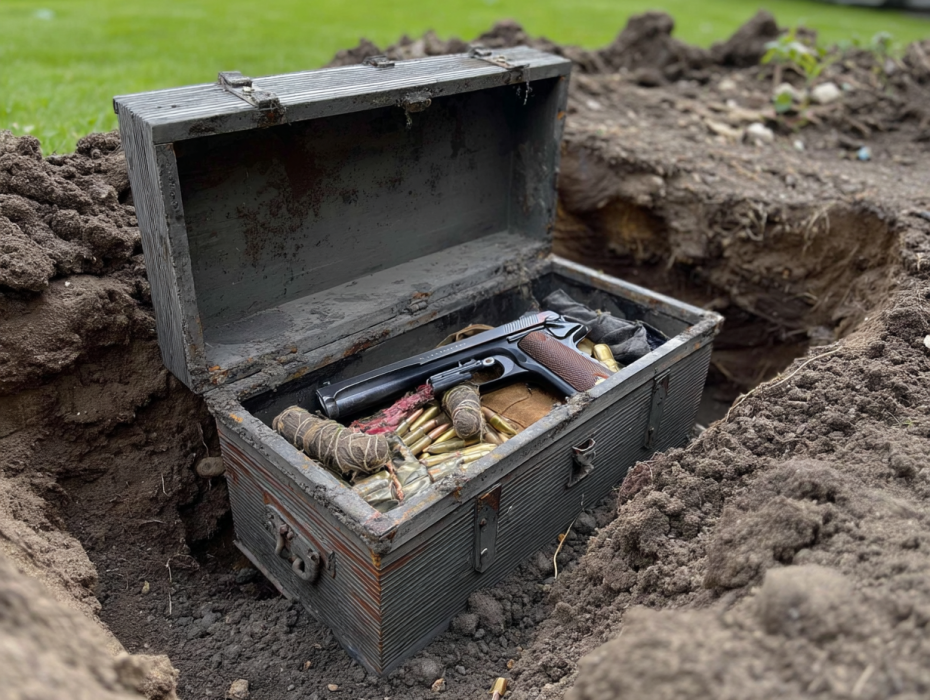
The grenades looked ancient but intact, their curved casings dull with age yet ominously complete. Walter felt a wave of dizziness wash over him. This wasn’t forgotten junk or harmless debris. This was wartime material capable of devastation, lying in quiet hibernation beneath his yard.
He forced himself to step away, palms slick, and every instinct screaming that proximity alone was a risk. The shed, the fence, even the grass felt suddenly treacherous. He backed toward the porch, mind racing, unsure whether moving too quickly might trigger disaster. After all, the weapons were seeing daylight and air after so long!

Marie appeared in the doorway, confusion shifting instantly to horror when she saw his face. He pointed to the open chest without speaking. Her scream cut through the yard as she grabbed his arm, dragging him further from the pit. “Walter, get away from that—now! Something could be live!”
She fumbled for her phone with trembling hands, voice breaking as she called 911. Walter could hear her struggling to explain between panicked breaths: buried explosives, rusted grenades, a metal box that shouldn’t exist. The operator’s tone changed immediately—sharp, urgent, and commanding.

Marie pulled Walter onto the porch steps, insisting he stay seated and still. His hands shook uncontrollably. He kept replaying the moment the shovel hit metal, imagining shards of rusted steel erupting outward. What if the bombs detonate? The world around him felt fragile, as though the ground itself held its breath.
Within minutes, sirens echoed down the street. Police cars arrived first, followed by a specialized bomb squad truck. Officers quickly established a perimeter, ushering neighbors indoors while bomb technicians approached the yard in protective gear, moving with the precise caution of people trained to expect worst-case scenarios.
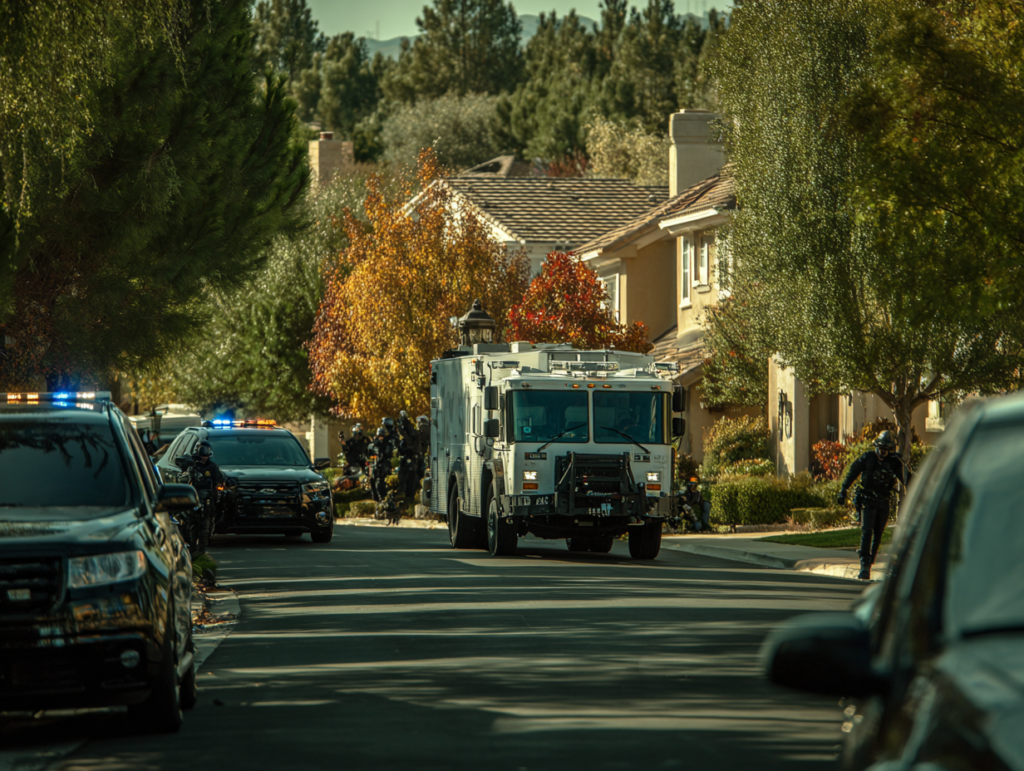
The technicians assessed the chest, communicating in clipped, practiced phrases. Carefully, they lifted it using reinforced tools, setting it onto a blast-resistant cart. One technician glanced at Walter with a solemn expression that made his stomach twist. They handled the box like a sleeping predator.
Once the chest was secured, an officer approached Walter and Marie. He spoke quietly, gratitude and gravity intertwining in his tone. “You did the right thing calling us. These devices from the 1930s or 40s are still viable. It’s remarkable they stayed stable this long without detonating. Lucky, you found it now!”
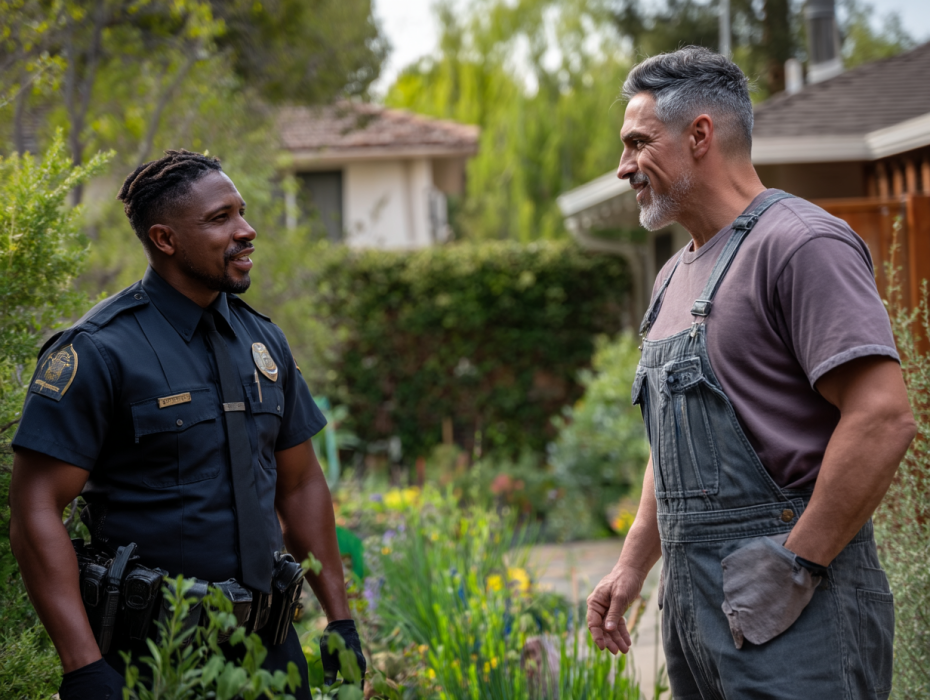
Another technician added that the metal had corroded dangerously. Any shift in pressure, moisture, or temperature could have set off a chain reaction. “Honestly,” he said, shaking his head, “it’s a miracle this yard hasn’t gone up in flames sometime in the last seventy years. Any idea how these weapons got here? WWII, I’m assuming.”
After the bomb squad cleared the area and loaded the chest into their truck, a lone geological technician lingered in Walter’s yard. Kneeling by the disturbed soil, he scraped samples into small vials, explaining that the authorities needed to understand how something buried so deeply had risen on its own.
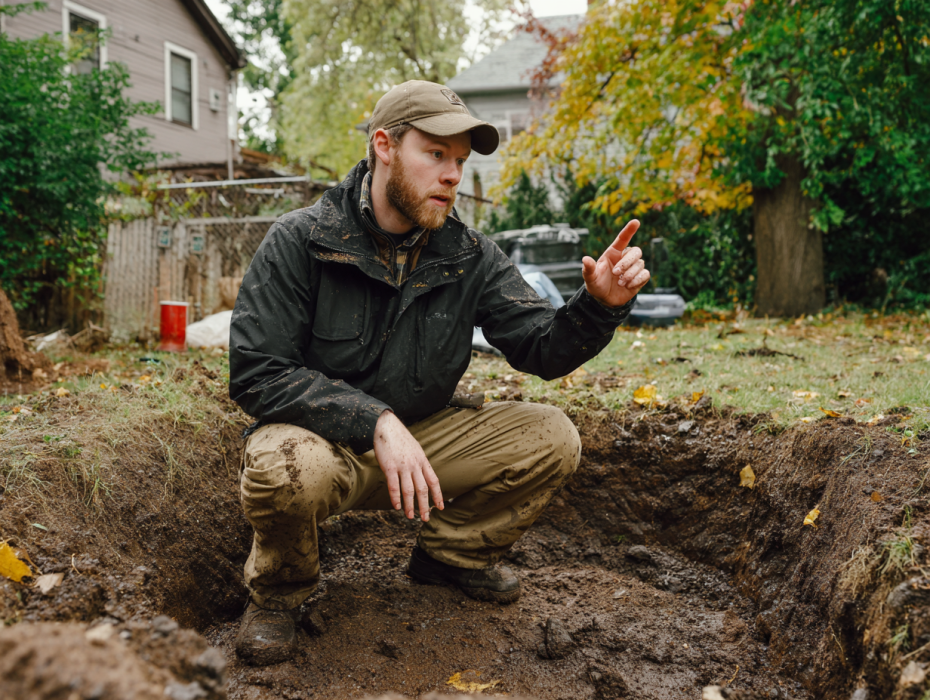
The technician pointed to the soil layers, describing a freeze–thaw cycle known as frost heave. Each winter, trapped moisture beneath the box froze, forming expanding ice lenses that pushed upward with slow, unstoppable pressure. Over the decades, that invisible force had lifted the chest toward the surface.
When spring returned, the ice melted and left hollow pockets beneath the metal. Loose soil and small pebbles slipped into the empty spaces, allowing the chest to settle slightly, only for the cycle to repeat. Inch by inch, year by year, the mound had grown, announcing the buried secret.

The explanation made sense, almost soothing in its logic. Nature, not human hands, had revealed the truth. Yet Walter felt no relief. The real mystery wasn’t how the chest surfaced, but why a cache of weapons lay hidden beneath a suburban backyard in the first place.
That question gnawed at him more fiercely than the explosives ever had. As the technician packed up and left, Walter stared at the disturbed earth, feeling the weight of someone else’s forgotten history pressing against his own, begging to be understood.

After the police left and the last engine rumble faded, Walter lingered in the yard, unable to shake a sense of unfinished business. As he gathered his tools, he noticed something half-buried near a root. It was a small leather pouch, softened by time, that the bomb squad had overlooked.
He crouched and brushed away soil, easing the pouch free. Inside lay a weathered photograph: a young man in a heavy coat, gripping a canvas satchel beside a cargo truck. Two other men stood behind him; one face was violently scratched out. A folded scrap of Italian writing accompanied it.
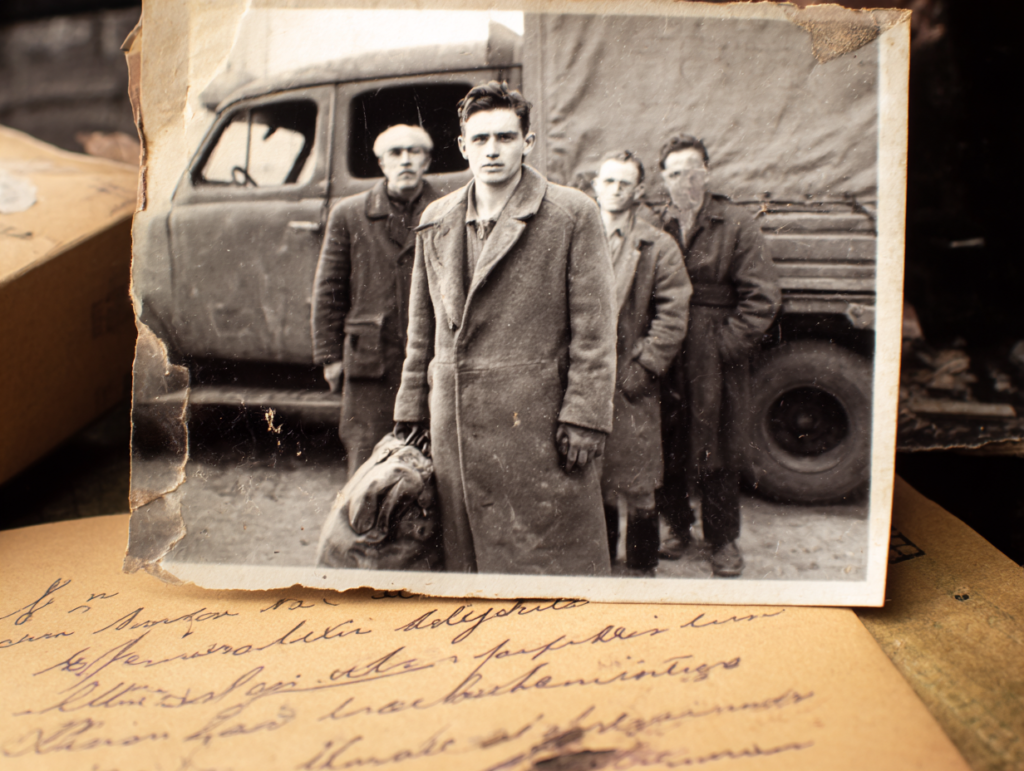
Walter flattened the fragile note under the porch light. Most of the ink had run, but one line remained intact enough to read: “If I do not return, tell my family I tried.” The words sent a chill through him. This wasn’t random. Someone buried these things deliberately, with urgency.
Unsure where to begin, Walter scanned the note and photo and sent them to an online historian specializing in Italian-American wartime records. Hours later, the historian replied, explaining the tone resembled messages left by dockside couriers involved in illicit war-era shipments, men who ran goods through Mafia-controlled waterfronts.

Many of those couriers vanished during the 1940s, he explained. They were either punished for skimming off smuggling profits or disappearing while trying to escape the criminal networks that controlled them. Their families were often told vague stories: they died overseas, they never came home, they were “lost to the war.”
Walter turned the photograph over and discovered faint writing nearly erased by time: “A. Moretti, 1944.” The historian urged him to search old property and census records. The name rang with a strange familiarity, as if the past were beginning to pull itself into focus.

At the county archives, Walter located the first deed issued for his home in 1948. The buyer’s name leapt from the page: Augusto Moretti, a dockworker who had purchased the property shortly after World War II, only to vanish without settling taxes for the following year.
Newspaper archives offered more: short notes from 1946 linking Moretti to a smuggling investigation at the Brooklyn waterfront. One entry listed him as “missing after questioning.” Another speculated that he fled the city. No follow-up articles ever appeared. The world simply forgot him.

Digging through public obituary and genealogy records, Walter found descendants —a son who passed away recently and a grandson, Daniel Moretti, living several states away. Heart pounding, he sent a careful message explaining he had found something linked to Augusto and sought to speak, if Daniel was willing.
Daniel called the next evening. His voice carried shock, curiosity, and perhaps it was long-buried grief. He said the family had grown up with only fragments: Augusto left one night during the war and never returned. No body. No explanation. Only silence. He agreed to meet Walter in person.

When they met, Daniel studied the photo with trembling hands. He recognized his grandfather, Augusto, instantly, holding the same canvas satchel described in family stories. Daniel explained that Augusto had been a courier on Mafia-controlled docks during WWII, moving illicit shipments. He disappeared the night he tried to escape that life.
Daniel said his grandmother spent years waiting at the front window, convinced Augusto would return. She told her son that Augusto had whispered, “Just one more delivery,” before leaving that night. No one ever knew what that delivery was or why he never came back.

Walter showed Daniel the Italian note. Daniel’s voice cracked as he translated it aloud—his grandfather begging forgiveness and promising he “tried” to come home. It was the closest thing to a final message his family had ever received. Daniel whispered, “He wasn’t abandoning us. He was running to us.”
Walter explained the chest contained only weapons and ammunition, suggesting Augusto buried what he carried in haste, perhaps after realizing he was being followed. The scratched-out face on the photograph suddenly made sense. “That was Enrico,” Daniel murmured, “Augusto’s handler. My grandmother feared him.”

Family rumors long claimed Enrico was the last person to see Augusto alive. If Augusto buried the chest on the property he intended to return to, he must have been intercepted before reaching safety. Walter felt a hollow ache imagining the man digging frantically under the cover of darkness.
Walter then described the frost heave phenomenon, the slow upward push of soil and ice over decades. Daniel stared at the yard in disbelief. “So the ground brought him back,” he said quietly. Not the man himself, but his truth, rising inch by inch until someone finally noticed.

For Daniel, the discovery rewrote generations of silence. His family had lived with whispers of betrayal, believing Augusto had vanished for selfish reasons. But the note and photograph proved he had tried to escape danger, not abandon them. Walter felt honored to hand him that clarity.
They parted with a sense of solemn peace. Daniel promised to show the photograph to his aunt, the last surviving member of Augusto’s immediate family, who had always prayed for even a single answer. Walter realized he had given not just a clue but closure to another family’s wound.

Returning home, Walter paused at the edge of the yard. The place where the mound once rose no longer unnerved him. Now he saw it as a resting place for a story that had tried for decades to surface—a man’s final hope preserved in soil and silence.
That evening, he and Marie sat on the porch as dusk softened the sky. The yard felt lighter, somehow different with its mystery unravelled, and tension released. Marie leaned against him and whispered, “Some secrets aren’t meant to stay buried forever.”

Walter nodded, watching fireflies blink across the grass. The ground was finally still, its burden lifted. What had begun as a simple curiosity became a bridge between past and present. Some lives vanish without a trace—but sometimes, by chance and persistence, they are remembered again.